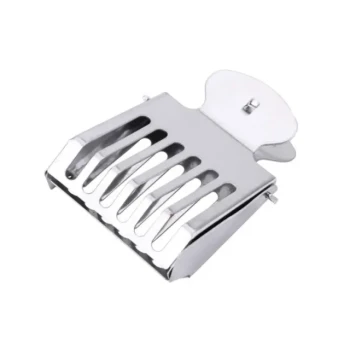
Brood inspection and controlled caging are the foundation of queen diagnosis and introduction. A healthy queen typically places one egg neatly at the base of each worker cell, producing a compact, even pattern of healthy sealed brood. A failing queen or laying worker may produce scattered brood, multiple eggs per cell, or isolated drone cells; a new queen should be transported and introduced in a protective cage with a gradual candy release.
The key principle is to diagnose the colony from the brood pattern before handling the queen, then use a queen introduction cage to protect her while the colony becomes familiar with her pheromones.
How to Diagnose Queen Condition
Inspect the Brood Pattern
Remove the outer honey and pollen frames first, then examine the brood frames under bright light. If necessary, use magnification to inspect the base of individual cells.
A well-performing queen generally produces one egg per cell, positioned cleanly at the bottom. This usually develops into a uniform, densely covered area of sealed brood.
Recognize Signs of Queen Failure
A scattered or “pepperpot” brood pattern can indicate poor queen performance, although brood disease, nutrition, and other colony stresses should also be considered before replacing the queen.
Other warning signs include:
- Multiple eggs in a cell
- Eggs placed irregularly along the cell walls
- Isolated or abnormal patches of drone cells
- A brood area that is unusually sparse or uneven
These signs should be evaluated across more than one frame. A single irregular frame is not always sufficient evidence of queen failure.
Distinguish Laying Workers from a Failing Queen
Multiple eggs placed haphazardly along cell walls are commonly associated with laying workers, particularly when combined with scattered drone brood.
The distinction matters because introducing a queen into a colony with laying workers can be difficult. Confirm the colony’s condition and queen status before ordering or releasing replacement stock.
Evaluate Queen Cells When Relevant
For queen-rearing operations, queen cells can be assessed by their size and external texture. Larger cells with a strongly sculptured, peanut-shell-like surface are generally associated with better-developed queens because they may reflect stronger nutrition and nurse-bee care.
Cell appearance is an indicator, not a complete performance guarantee. Handling developing queen cells requires specialized cell-handling equipment and considerable care.
Tools Used During Diagnosis
Brood Inspection Equipment
The basic diagnostic setup includes:
- A hive tool for removing and separating frames
- Bright light for viewing cell contents
- Magnification when eggs or early larvae are difficult to see
- A queen cage for temporarily securing the queen during frame handling
To expose the bottom of cells, beekeepers may give brood frames a sharp downward shake over the brood box to dislodge worker bees. The queen should be isolated first if there is any risk that she could be injured, dropped, or lost.
Queen Cages for Temporary Protection
A queen cage can secure the queen while frames are inspected or manipulated. After the inspection, return her promptly to the colony unless a replacement procedure is underway.
This simple step reduces the risk of accidentally crushing the queen or leaving her outside the hive.
Tools for Inspecting Developing Queen Cells
An experienced technician may use a queen-rearing scalpel to open a cell carefully and inspect the developing queen without removing her. The soft wax wall is cut and folded back near the base, above the tougher lower cocoon, then resealed.
This is a specialist technique. It is not necessary for routine queen diagnosis, and poor handling can damage the developing queen.
Tools for Safe Queen Handling and Marking
Queen Marking Tube
A Queen Marking Tube is a clear tube that contains the queen while a soft foam plunger gently holds her against a screen. This allows the thorax to be marked without gripping the queen directly.
It is a practical option for beekeepers who are concerned about damaging the queen during manual handling.
Push-In Queen Marking Cage
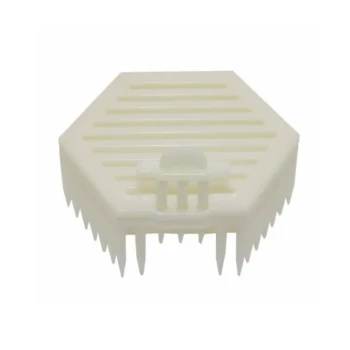
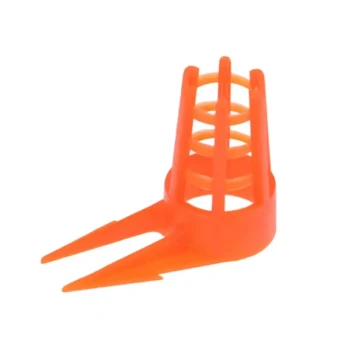
A push-in queen marking cage can be placed directly over the queen while she is on the comb. It creates a temporary enclosure in which the queen can be marked with a paint-filled marker.
The round push-in style is often easier for less experienced operators to learn because it avoids transferring the queen from the comb into a separate device.
Marking and Identification Equipment
Commercial queen operations commonly use:
- Queen marking pens
- Color-coded thorax disks or paint
- Queen-marking scissors for wing clipping
- Record-keeping systems for age and pedigree
The international marking colors are:
- White or gray: years ending in 1 or 6
- Yellow: years ending in 2 or 7
- Red: years ending in 3 or 8
- Green: years ending in 4 or 9
- Blue: years ending in 5 or 0
Wing clipping provides a permanent physical identification method, but it should be performed only by trained personnel using appropriate tools.
Tools for Queen Introduction and Transport
Introduction Cages
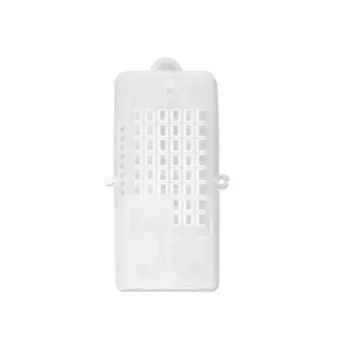
The most important tool for safe introduction is a specialized queen introduction cage. The cage protects the queen while worker bees become accustomed to her pheromones before she is fully released.
Common commercial formats include:
- Plastic JZ BZ-style cages
- Professional queen bee butler or catcher cages
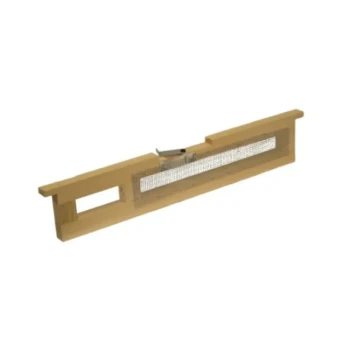
- Wooden double-holed cages
- Travel cages designed for shipment and transfer
Many transport cages hold one mated queen with approximately six host worker bees. These attendants groom and feed her during transit.
Candy-Release Systems
A cage fitted with a candy release provides a controlled path to introduction. The colony gradually removes the candy, allowing time for workers to accept the queen’s scent before direct contact.
This is safer than placing an unfamiliar queen directly onto the comb, particularly when the queen has been transported or the colony has recently lost its previous queen.
Virgin Queen and Queen-Cell Options
Some introduction and travel cages are designed for virgin queens or queen cells. The correct cage must match the stock being introduced and protect it from physical damage during transport and hive placement.
For commercial sourcing, compatibility between cage design, queen type, shipment method, and release system should be confirmed before fulfillment.
A Safe Queen Introduction Workflow
Confirm the Colony’s Starting Condition
Before introducing a replacement queen, inspect the colony for evidence of an existing queen, fresh eggs, or queen cells. The introduction plan should match the colony’s actual condition rather than relying only on purchase or shipment timing.
A colony that still contains a queen may reject the incoming queen.
Protect the New Queen in Her Cage
Keep the queen in the introduction cage during the initial placement. Avoid unnecessary opening, shaking, or direct handling, especially after transport.
The cage should be positioned so worker bees can contact the queen through the cage while she remains physically protected.
Allow Pheromone Acclimation
The purpose of the cage is to create an acclimation period. Workers can become familiar with the queen’s pheromones before the candy release permits full access.
Follow the cage manufacturer’s design and release instructions. Do not force immediate release unless the introduction method specifically requires it.
Recheck Acceptance Carefully
After the release period, inspect the colony calmly for signs that the queen has been accepted. Look for the queen herself when practical, but do not repeatedly disturb the colony solely to search for her.
A later brood inspection is the stronger confirmation that the introduction succeeded because it shows whether the queen is laying normally.
Understanding the Trade-offs
Direct Release Is Faster but Riskier
Directly releasing a new queen can reduce handling time, but it gives the colony little opportunity to acclimate. The unfamiliar queen may be attacked or rejected.
A caged, candy-release introduction takes longer but provides a protective transition and is generally the more controlled approach.
Shaking Frames Improves Visibility but Adds Risk
Shaking worker bees from brood frames makes cell inspection easier. However, careless handling can injure or dislodge the queen.
Secure the queen first when her location is known and the inspection requires substantial frame manipulation.
Marking Improves Traceability but Requires Precision
A marked queen is easier to identify during inspections, which supports age, pedigree, and replacement decisions. Poor marking technique can injure or stress the queen.
Use a marking tube or push-in cage rather than relying on direct hand handling unless the operator is highly experienced.
Queen-Cell Opening Provides Information but Is Specialized
Opening a queen cell can reveal developmental condition without removing the queen. It is also an invasive procedure with little value for routine hive inspections.
Use this technique only when the diagnostic benefit justifies the risk and the operator has appropriate equipment and skill.
Making the Right Choice for Your Goal
Select equipment according to the required balance of diagnostic visibility, queen protection, transport reliability, and operator experience.
- If your primary focus is routine queen diagnosis: Use a hive tool, bright light, optional magnification, and a queen cage; judge performance primarily from egg placement and the sealed-brood pattern.
- If your primary focus is safe queen introduction: Use a purpose-built introduction cage with a candy-release system and allow the colony time to acclimate before full release.
- If your primary focus is queen transport or commercial distribution: Choose a durable travel cage compatible with the queen type and shipment method, with suitable host workers and reliable handling procedures.
- If your primary focus is marking and traceability: Use a Queen Marking Tube or push-in marking cage together with the recognized color system and accurate production records.
- If your primary focus is queen rearing: Use specialized queen-cell handling tools only when necessary, and treat cell inspection as a precision operation rather than a routine task.
With the right brood-pattern criteria and controlled cage-based handling, beekeepers and suppliers can make queen decisions more safely, consistently, and professionally.
Summary Table:
| Indicator/Tool | What It Reveals/Used For |
|---|---|
| Brood Pattern | Even, compact sealed brood indicates a healthy laying queen; scattered ('pepperpot') pattern may indicate queen failure (also consider disease/nutrition). |
| Egg Placement | One egg per cell, neatly at base = normal; multiple eggs/cell or eggs on walls = laying workers or failing queen. |
| Queen Introduction Cage | Protects new queen during acclimation; candy-release allows gradual exposure to colony pheromones. |
| Queen Marking Tube/Cage | Safely restrains queen for marking or inspection without direct handling. |
| Queen Cell Inspection Tools | Assess developing queens in queen-rearing operations (specialist use only). |
Looking for reliable queen introduction cages, marking tools, and hive inspection equipment? At HONESTBEE, we supply commercial apiaries and distributors with a full range of beekeeping tools and machinery. As a B2B wholesaler, we offer one-stop sourcing, premium quality, rapid delivery, and professional support for your business. Whether you need queen cages, marking tubes, or wholesale hive equipment, we ensure you get the best products at competitive prices. Contact us today to discuss your requirements and benefit from our expertise and efficient order fulfillment! Get a Quote
Related Products
- Professional Queen Catcher and Introduction Queen Cage
- Professional Queen Bee Introduction and Transport Cage
- Professional Multi-Functional Queen Bee Cage
- Durable Galvanized Steel Spring Queen Bee Cage
- Hexagonal Direct Comb Introduction Queen Bee Cage
People Also Ask
- What is a queen catcher and what is it used for? Essential Tool for Safe Queen Handling
- What is the purpose of a queen catcher in beekeeping? Safely Handle Your Queen Bee
- What role does a queen catcher play in the hive splitting process? Ensure Colony Safety & Precise Hive Management
- What role do queen excluders and queen cages play in the synchronization of honeybee developmental stages? Master Timing.
- How are queen cages used to protect newly hatched queens? Secure Your Virgin Queens During Development