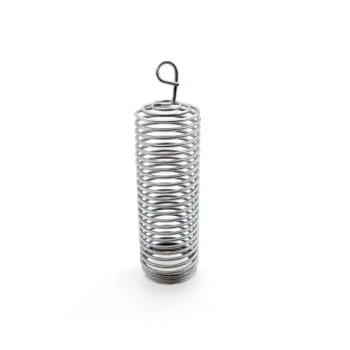
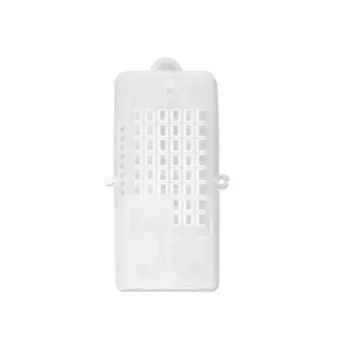
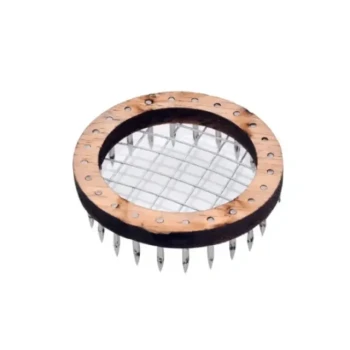
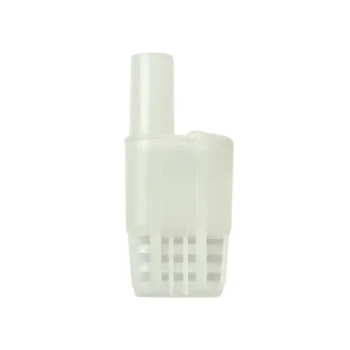
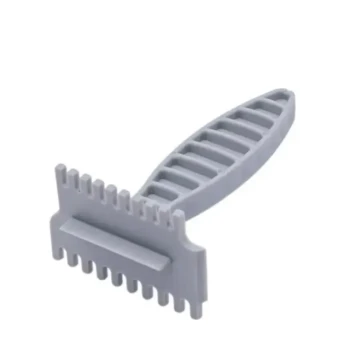
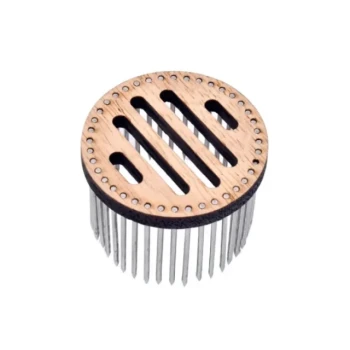
Precision beekeeping requires exact timing, and queen excluders and cages are the primary tools used to achieve it. By physically confining the queen bee to a specific frame for a set duration—typically ranging from 5 to 48 hours—beekeepers ensure that all eggs are laid simultaneously. This spatial restriction creates a perfectly synchronized cohort of larvae, which is essential for uniform developmental studies, toxicity testing, and efficient colony management.
Core Takeaway: Queen excluders and cages function as temporal "reset buttons" for a colony's lifecycle; by restricting the queen's movement to a single frame, they produce a standardized biological sample where every larva is at the exact same developmental stage.
The Mechanics of Precision Age Synchronization
Leveraging Body Size Disparity
Queen excluders and cages are engineered with precise pore sizes that capitalize on the anatomical differences between honeybee castes. These barriers allow smaller worker bees to pass through freely to tend to the brood, while the larger queen remains confined to a designated area.
Defining the Egg-Laying Window
To achieve synchronization, the queen is restricted to a specific comb for a limited, defined period. This controlled window ensures that the resulting larvae do not vary in age by more than a few hours, providing a high-resolution timeline for both commercial and experimental use.
Creating a Uniform Biological Cohort
Once the restricted laying period is complete, the queen is removed, leaving behind a frame of perfectly synchronized eggs. This process eliminates the natural "staggered" age distribution found in typical hives, where larvae might otherwise be days apart in development.
Critical Applications Across Industry and Research
Eliminating Bias in Scientific Studies
In professional research, such as toxicity studies or drug response testing, uniform larval age is critical. Synchronized samples ensure that age-related sensitivity does not skew data, allowing for a pure analysis of how a specific treatment affects a specific developmental stage.
Pathogen and Parasite Observation
Standardized biological samples are vital for observing behaviors like Varroa mite parasitism or susceptibility to diseases like chalkbrood. When larvae are at an identical age, researchers can accurately identify the exact moment of infection or parasitism during the cell-capping period.
Advanced Proteomic and Biochemical Analysis
For high-level biochemical comparisons, such as proteomic analysis, even a few hours of age difference can alter results. Using excluders to capture a "snapshot" of development allows for the precise study of worker bees at specific milestones, such as exactly 1, 7, or 14 days of age.
Strategic Considerations for Sourcing and Supply
The Importance of Manufacturing Precision
For B2B distributors, the quality of the physical barrier is paramount. Inconsistencies in pore size or material durability can lead to "queen leaks" or worker bee injury, which compromises the synchronization of the entire batch and ruins experimental datasets.
Navigating the Trade-offs of Restriction
While confinement is necessary for synchronization, it can introduce environmental stress if maintained for too long. Distributors should favor products that prioritize ventilation and ease of access, ensuring the queen’s health is maintained throughout the restriction period.
Ensuring Rapid Supply Chain Response
In the professional and research sectors, the need for specialized cages often aligns with narrow biological windows (swarming season or specific nectar flows). Partnering with suppliers who offer ultra-fast delivery and efficient order fulfillment is essential to meeting these time-sensitive demands.
Selecting the Right Equipment for Your Client Base
Distributors must match their inventory to the specific technical needs of their end-users to provide a truly professional service.
- If your primary focus is Research Laboratories: Prioritize high-precision introduction cages that fit micro-frames for localized, short-duration egg-laying (5-hour windows).
- If your primary focus is Commercial Apiaries: Focus on full-frame excluders and robust swarm management tools that coordinate colony expansion and prevent natural swarming.
- If your primary focus is Veterinary/Toxicity Testing: Stock heavy-duty exclusion cages designed for repeated use in standardized testing protocols where biological uniformity is the top priority.
By offering a comprehensive, full-spectrum portfolio of synchronization tools, you empower your clients to achieve the technical precision required for modern, data-driven beekeeping.
Summary Table:
| Feature | Role in Synchronization | Key Benefit |
|---|---|---|
| Spatial Restriction | Confines queen to a single frame using precise pore sizes | Ensures eggs are laid in a targeted, manageable area |
| Temporal Control | Defines a strict egg-laying window (5–48 hours) | Creates a cohort of larvae at the exact same age |
| Biological Uniformity | Eliminates natural staggered age distribution | Provides standardized samples for research and testing |
| Equipment Precision | High-quality barriers prevent "queen leaks" | Guarantees the integrity of experimental and commercial data |
Elevate Your Inventory with HONESTBEE Precision Tools
Are you a distributor or B2B reseller looking to supply the professional research and commercial beekeeping sectors? HONESTBEE is your ultimate one-stop partner, offering a comprehensive portfolio of high-precision tools, from specialized queen excluders to hive-making machinery and essential industry consumables.
Why partner with us?
- Full-Spectrum Sourcing: One-stop access to tools, machinery, and honey-themed merchandise.
- B2B Optimized: Competitive profit margins, OEM/ODM support, and reliable certifications.
- Rapid Fulfillment: Ultra-fast delivery and deep industry expertise to meet time-sensitive seasonal demands.
Ready to scale your business with premium beekeeping solutions? Contact our expert team today!
References
- Aneta Strachecka, Jerzy Paleolog. The antioxidant system was unexpectedly strongly suppressed in apis mellifera worker bees emerged from larvae reared on combs adulterated with paraffin or stearin. DOI: 10.1038/s41598-025-08596-w
This article is also based on technical information from HonestBee Knowledge Base .
Related Products
- Professional Bamboo Queen Isolation Cage
- Professional Queen Catcher and Introduction Queen Cage
- Professional Queen Cage with Sliding Gate and Feeder Plug
- Durable Galvanized Steel Spring Queen Bee Cage
- High Performance Plastic Queen Excluder for Beekeeping and Apiary Management
People Also Ask
- Why are specialized queen bee cages used for the banking of mated queen bees? Maximize Commercial Apiary Storage Efficiency
- What is the mechanism of action for using temporary queen bee cages? Master Successful Queen Introduction
- How does the side ventilation design of a queen bee cage impact the safety of the queen during long-distance transport?
- What should you do if the queen is still in the cage and the worker bees have not accepted her? Protect Your Colony from Queen Rejection
- What technical precaution must be taken regarding the mesh or grill side of a queen bee cage? Ensure Queen Survival