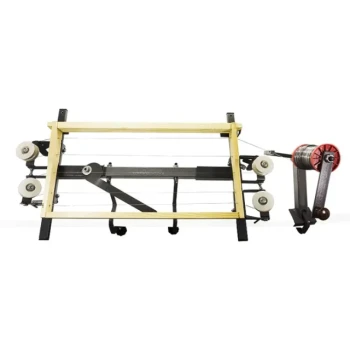
Standardizing winter survival metrics is the key to minimizing apiary losses and ensuring the long-term stability of commercial honeybee populations. The visual assessment of colony reserves primarily utilizes observation frames with precise scales, standardized visual inspection techniques, and multi-functional hive tools to quantify food stores and bee coverage without compromising the hive’s internal microenvironment.
Core Takeaway: Effective overwintering assessment requires a combination of high-precision visual aids and non-invasive monitoring tools to provide a quantitative snapshot of colony health, food density, and environmental adaptability.
Essential Hardware for Professional Assessment
Precise Observation Frames and Scales
To achieve a non-destructive quantitative evaluation, professionals use observation frames equipped with precise scales. These tools allow for the standardized measurement of honey and pollen coverage across the frame surface. By providing a clear grid for reference, beekeepers can move beyond subjective "guessing" to generate accurate data points regarding food reserves.
Multi-functional Manual Hive Tools
The high-strength steel hive tool is a foundational instrument for any professional inspection kit. Because honeybees seal hive components with propolis, this tool provides the necessary leverage to pry apart frames without causing jarring vibrations that stress the colony. It is also essential for scraping away excess beeswax to maintain the internal cleanliness required for clear visual data.
High-Resolution Imaging and Analysis
Modern apiary management often incorporates high-resolution digital cameras to document hive frames during the final autumn inspections. These images can be processed using specialized software to measure capped brood areas and food stores more accurately than the naked eye. This method eliminates human error and provides a permanent digital record for year-over-year performance tracking.
Methodologies for Quantifying Overwintering Capacity
Proportional Food Reserve Evaluation
The most direct method involves calculating the proportion of cells filled with capped honey and pollen. By observing the coverage both under the hive cover and across individual frames, beekeepers can estimate the total caloric value available to the cluster. This visual metric is the primary indicator of whether a colony has the biomass dynamics necessary to survive a period of resource scarcity.
Non-Invasive Behavioral Monitoring
Assessment does not always require opening the hive; auditory monitoring via stethoscopes or digital sensors can confirm colony vitality. A gentle tap on the hive wall should elicit a brief, collective buzzing sound, indicating a healthy stress response. Additionally, checking the hive entrance for blockages—such as dead bees or ice—is a critical weekly method for ensuring ventilation and health.
Biomass and Weight Analysis
Specialized electronic weighing platforms and digital monitors provide real-time data on the total mass of the colony. By comparing the weight of the hive before the dormant period and after spring recovery, specialists can calculate an overwintering index. This quantitative data is vital for selecting honeybee populations that demonstrate high environmental resistance and adaptability to local climates.
Understanding the Trade-offs
Subjective Estimation vs. Technical Precision
While visual inspections are rapid and cost-effective, they are inherently subjective and prone to human error. Even with scaled frames, two different inspectors may yield slightly different results regarding food percentages. Incorporating digital weighing equipment mitigates this risk by providing objective, hard data that visual assessments alone cannot offer.
Invasive Disturbance vs. Data Depth
Opening a hive for a thorough visual inspection provides high-resolution data on disease symptoms, such as sunken cappings or larval discoloration. However, every inspection disrupts the hive's internal microenvironment and thermal stability. Beekeepers must balance the need for deep clinical data with the risk of stressing the colony, particularly in the late autumn.
Strategic Sourcing for Professional Apiaries
How to Apply This to Your Portfolio
- If your primary focus is rapid order fulfillment: Prioritize stocking standardized hive tools and scaled observation frames that form the core of any professional inspection kit.
- If your primary focus is deep professional expertise: Offer advanced digital monitoring platforms and imaging software to serve high-end commercial apiaries looking for precision data.
- If your primary focus is a full-spectrum product portfolio: Ensure your inventory includes both manual clinical inspection tools for disease detection and non-invasive weighing scales for seasonal mass tracking.
A comprehensive approach to colony assessment, combining traditional visual mastery with modern digital precision, ensures the highest survival rates and the most resilient honeybee stock for the upcoming season.
Summary Table:
| Tool/Method Type | Key Equipment | Primary Benefit |
|---|---|---|
| Visual Quantification | Observation Frames with Scales | Precise measurement of honey and pollen coverage |
| Manual Inspection | High-Strength Steel Hive Tools | Safe frame manipulation without stressing the colony |
| Digital Monitoring | Electronic Weighing Platforms | Objective, real-time data on total colony biomass |
| Health Assessment | High-Res Cameras & Software | Permanent digital records for year-over-year tracking |
| Behavioral Checks | Entrance Monitoring & Sensors | Non-invasive verification of vitality and ventilation |
Empower Your Apiary Inventory with HONESTBEE
As a global leader in one-stop sourcing, HONESTBEE caters to commercial apiaries and B2B distributors with a comprehensive, full-spectrum product portfolio. From high-precision manual hive tools and specialized hardware to advanced honey-filling machinery and honey-themed cultural merchandise, we provide the tools you need to ensure hive survival and business growth.
Why Partner with HONESTBEE?
- Deep Industry Expertise: Our team understands the nuances of overwintering and colony health.
- Efficient Order Fulfillment: Benefit from ultra-fast delivery and rapid response times.
- Distributor Focused: We offer premium trading services, reliable supply chains, and OEM/ODM support designed to maximize your profit margins.
Ready to scale your beekeeping supply business? Contact us today to access our wholesale catalog and experience exceptional customer service!
References
- Carolina A. Amaturi, Matias MAGGI. Dinámica poblacional de Apis mellifera y su parásito Varroa destructor en el noroeste de la provincia de Chubut. DOI: 10.25085/rsea.840403
This article is also based on technical information from HonestBee Knowledge Base .
Related Products
- HONESTBEE Professional Mini J-Hook Hive Tool for Beekeeping
- Precision Honey Refractometer Instrument for Quality Assessment
- Professional Stainless Steel Pry-Bar Hive Tool
- Ergonomic Plastic Frame Spacer Tool for Rapid Hive Management Beekeeping
- Modern Flat-Mount Hive Number Set for Beekeeping
People Also Ask
- What specific challenges do beekeeping hive tools address during hive maintenance? Essential Solutions for Apiaries
- What is the recommended method for storing beekeeping tools? Expert Vertical Storage Solutions for Your Apiary
- Why is the treatment of beekeeping tools with high-concentration chemical disinfectants necessary for preventing AFB?
- How does a favorable microclimate interact with beekeeping tools? Boost Overwintering Success and Equipment Longevity
- What is a J-hook hive tool and why is it favored by some beekeepers? Master Gentle Frame Handling