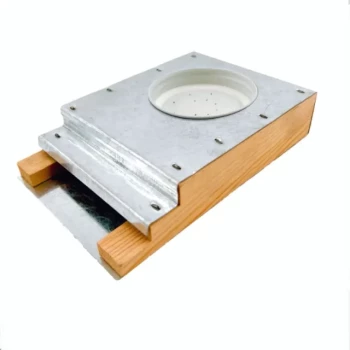
Using a bee feeder is inappropriate during the active summer months or whenever the colony has already stockpiled sufficient natural reserves. Feeding is intended to be a temporary intervention to prevent starvation, never a continuous, year-round process.
Beekeeping requires balancing support with self-sufficiency; you should never leave a feeder on a hive indefinitely or provide food "just because" without first verifying a shortage.
The Principle of Temporary Intervention
Feeding is Not Maintenance
A common misconception is that feeding is a standard daily maintenance task. Feeding should be a temporary measure, not a continuous operational standard.
The goal is to bridge the gap between food scarcity and abundance. Once that bridge is crossed, the artificial support must be removed.
Assessing Actual Need
Before filling a feeder, you must determine if the colony actually requires help. Beekeepers should assess the colony’s current status rather than feeding out of habit.
If the bees have successfully built up their own reserves for the winter, adding a feeder is unnecessary.
Seasonal Timing and Constraints
The Summer Rule
The primary reference explicitly states that it is wrong to leave a feeder on a hive throughout the entire summer.
During this season, bees should be foraging for natural nectar. Reliance on a feeder during peak floral abundance prevents the colony from functioning naturally.
Valid Exceptions for Feeding
To understand when not to feed, you must understand the specific times when feeding is essential.
You should only utilize feeders during colony establishment, cold winter months, or severe droughts. These are periods of genuine scarcity where the risk of starvation is high.
Common Pitfalls to Avoid
The "Just Because" Error
A critical mistake is feeding the hive without monitoring for food shortages first.
Adding syrup when natural nectar is available or when stores are full is an inefficient use of resources. Always monitor food levels before intervening.
Misinterpreting Winter Prep
While winter feeding is sometimes necessary, it is not automatic.
If your inspection reveals that the hive has already gathered enough honey to survive the cold months, supplemental feeding is redundant and should be avoided.
Making the Right Choice for Your Colony
Effective hive management is about observation, not rote action. Use the following guide to determine your next step:
- If your primary focus is Summer Management: Remove the feeder immediately to allow bees to utilize natural nectar sources.
- If your primary focus is Winter Preparation: Inspect the hive first; only feed if their natural honey stores are insufficient for survival.
- If your primary focus is Colony Establishment: Continue feeding temporarily until the new hive is stable and self-sustaining.
Trust the colony's ability to forage when nature allows, and reserve the feeder strictly for emergency support.
Summary Table:
| Scenario | Appropriate to Feed? | Action Required |
|---|---|---|
| Active Summer Months | No | Remove feeder; encourage natural foraging. |
| Sufficient Honey Stores | No | Avoid redundancy; monitor stores regularly. |
| Colony Establishment | Yes | Feed temporarily until the hive is stable. |
| Severe Drought/Winter Scarcity | Yes | Provide emergency syrup to prevent starvation. |
| Routine Maintenance | No | Never feed "just because"; assess need first. |
Elevate Your Apiary Management with HONESTBEE
At HONESTBEE, we understand that professional beekeeping requires the perfect balance of natural foraging and precision support. Whether you are a commercial apiary manager or a large-scale distributor, our mission is to supply you with the high-quality tools necessary for sustainable colony health.
From advanced hive-making and honey-filling machinery to a full spectrum of beekeeping tools and essential consumables, we provide the hardware and expertise to streamline your operations. Don't let improper feeding practices or subpar equipment limit your yield.
Ready to scale your beekeeping business? Contact us today to explore our comprehensive wholesale offerings and discover how our specialized equipment can enhance your productivity.
Related Products
- Rapid Bee Feeder White Plastic 2L Round Top Feeder for 8 or 10-Frame Bee Hives
- White Plastic 0.5L Beekeeping Entrance Feeder for Bees
- HONESTBEE Entrance Bee Feeder Professional Hive Nutrition Solution for Beekeeping
- HONESTBEE Professional Entrance Bee Feeder Hive Nutrition Solution
- Boardman Entrance Bee Feeder Durable Galvanized Steel and Wood Construction for Beekeeping
People Also Ask
- What should be done with feeders and equipment after feeding bees? Essential Steps for Apiary Health
- What should be done if feed in a feeder is not consumed by the bees? Prevent Hive Mold with Prompt Feed Management
- What is the necessity of specialized internal or entrance feeders? Secure Your Hive with Professional Feeding Tools
- How do bee feeders work to preserve colony health during nectar shortages? Essential Guide for Beekeepers
- How quickly does a medium to strong colony usually empty a feeder? A Beekeeper's Guide to Hive Health