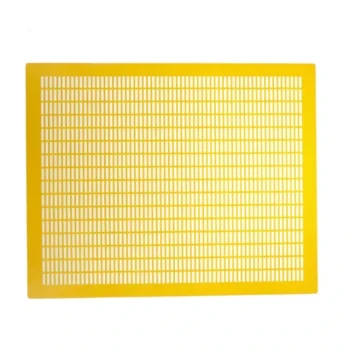
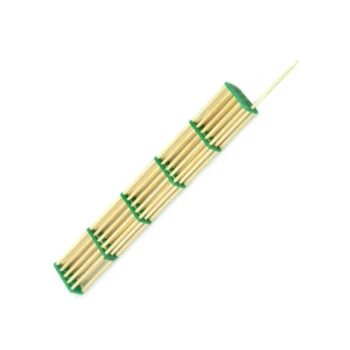
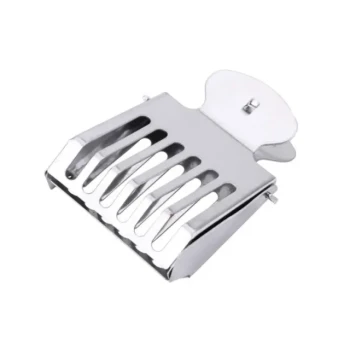
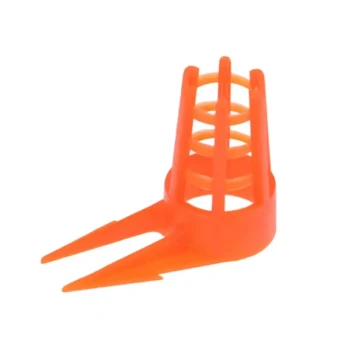
The welded wire queen excluder is widely regarded as the most effective and reliable choice for beekeepers. Typically made from galvanized or stainless steel, this type of excluder offers superior durability and performance, establishing it as the standard against which other options are measured.
Key Takeaway: While initial costs are higher, welded wire excluders are the superior investment due to their longevity and structural integrity. Unlike softer materials, they resist sagging and provide smooth, precise spacing that allows worker bees to pass freely while effectively confining the queen to the brood chamber.
Why Metal is the Industry Standard
Unmatched Durability
Welded wire excluders, specifically those made from galvanized or stainless steel, are built to last.
They have stood the test of time in the beekeeping industry, proving to be the most durable option available.
Because they are made of rigid metal, they do not warp or degrade quickly like softer materials might.
Structural Integrity
A critical advantage of the metal excluder is that it does not sag.
Sagging can alter the precise "bee space" required inside the hive, potentially bridging combs or making it difficult for bees to move.
Metal grids maintain their shape, ensuring the barrier remains effective across the entire width of the hive box.
Bee Safety and Hygiene
Metal excluders are known for having smooth edges.
This is vital for allowing worker bees to pass through the grid without damaging their wings or bodies.
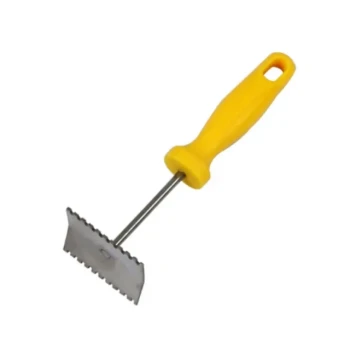
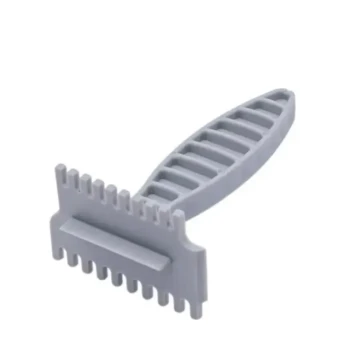
Additionally, metal surfaces are generally considered the easiest to clean when removing propolis and wax buildup.
Alternative Options
Plastic Queen Excluders
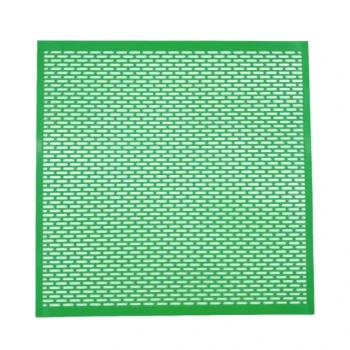
Plastic excluders represent the most affordable entry point for beekeepers.
Their primary advantage, aside from cost, is versatility; they can be trimmed with shears to fit custom-sized hives or nuc boxes.
Some designs also offer fewer hiding places for hive beetles, which can be a pest management advantage in certain regions.
Wood-Framed Excluders
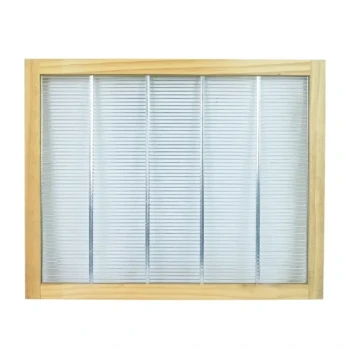
This style features a wire grid set inside a wooden rim.
They are often chosen for aesthetics or for the ease of handling provided by the wooden frame.
Like the standard metal excluders, the wire grid is easy to clean, and the wooden frame can be painted to match the rest of the hive components.
How the Excluder Functions
The Physiology Barrier
The effectiveness of any excluder relies on the physical differences between bee castes.
The mesh or grid is manufactured with precise tolerances: openings are large enough for the smaller worker bees to pass through.
However, these openings are too narrow for the queen bee and drones, who have larger thoraxes, effectively blocking their passage.
Protecting the Honey Harvest
The primary goal is to keep the queen confined to the brood chamber, the lower section of the hive where eggs are laid.
By preventing the queen from entering the upper honey supers, you ensure that the frames harvested for consumption contain only pure honey, free of brood (eggs and larvae).
Understanding the Trade-offs
Cost vs. Longevity
Welded wire excluders are more expensive upfront compared to plastic alternatives.
However, their resistance to wear and sagging often makes them cheaper in the long run, as they do not need to be replaced as frequently.
Necessity of Use
It is important to note that excluders are tools, not requirements.
In hive configurations that use more than one hive body for the brood nest, the queen naturally tends to stay lower in the hive.
Some beekeepers find that with proper management of a double brood box system, a queen excluder may not be necessary at all.
Making the Right Choice for Your Goal
Select your equipment based on your specific apiary needs and budget constraints.
- If your primary focus is durability and performance: Choose a welded wire (metal) excluder, as it offers the smoothest passage for bees and will not sag over time.
- If your primary focus is budget or custom sizing: Choose a plastic excluder, which is low-cost and can be cut to fit non-standard hive dimensions.
- If your primary focus is ease of handling: Choose a wood-framed excluder, which integrates the durability of wire with a sturdy frame that matches your hive bodies.
Ultimately, the best excluder is the one that protects your honey harvest without hindering the movement of your workforce.
Summary Table:
| Excluder Type | Primary Material | Key Advantage | Best For |
|---|---|---|---|
| Welded Wire | Galvanized/Stainless Steel | Maximum durability; no sagging | Commercial apiaries & long-term use |
| Plastic | Flexible Polymer | Low cost; easy to trim | Budget-conscious or custom hive sizes |
| Wood-Framed | Wire + Wood Rim | Easy handling; aesthetic match | Beekeepers preferring traditional styles |
| Bound Wire | Metal Grid | Precise bee space | Standard hive management |
Elevate Your Honey Harvest with HONESTBEE
Maximize your apiary's efficiency with professional-grade equipment from HONESTBEE. As a premier partner for commercial apiaries and distributors, we provide a comprehensive wholesale catalog including welded wire queen excluders, hive-making machinery, honey-filling systems, and essential beekeeping consumables.
Our precision-engineered tools ensure your queen stays in the brood chamber while your worker bees move freely, guaranteeing a pure, high-quality honey harvest.
Ready to scale your beekeeping operation? Contact HONESTBEE today for wholesale pricing and expert support
Related Products
- Premium Wood Framed Metal Wire Queen Bee Excluder
- Metal Queen Bee Excluder for Beekeeping
- Wooden Queen Bee Excluder for Beekeeping
- Stainless Steel Scraper for Metal Queen Bee Excluders
- Lightweight Durable Plastic Queen Excluder Scraper for Beekeeping
People Also Ask
- What types of queen excluders are available for beekeepers? Choose the Right Tool for Your Hive
- Why are standardized hive frames and queen excluders essential for maintaining honey purity and quality? Scale Your Purity
- How does a queen-bee excluder function as a defense against Small Hive Beetles? Protect Your Honey with Resource Denial
- What is the purpose of an entrance queen excluder? Prevent Absconding and Stabilize Your New Honeybee Colony
- What is the function of a queen excluder? Maximize Honey Yield and Ensure Data Integrity for Your Apiary