Mechanical barriers rarely defeat biological instincts. While clipping a queen’s wings or placing an excluder at the hive entrance attempts to physically restrain the queen, these methods often fail to suppress the colony's underlying drive to reproduce. Consequently, they are widely regarded by experts as temporary stopgaps rather than reliable, long-term swarm management strategies.
Core Takeaway Attempting to control swarming solely by restricting the queen's movement is rarely effective long-term. Beekeepers relying on these methods face two significant risks: the colony may "slim down" the queen to force her through physical barriers, or they will simply delay the swarm until a new virgin queen is reared to lead the departure.
The Limitations of Wing Clipping
The "Virgin Queen" Workaround
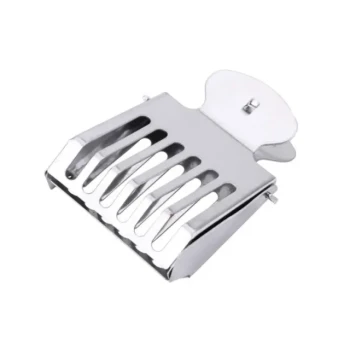
Clipping the queen's wings is designed to remove her ability to fly, theoretically preventing her from leading a swarm away from the hive.
However, this often only stops the old queen. If the swarming impulse is strong, the colony will eventually swarm regardless, led by a newly hatched virgin queen whose wings are intact.
Preventing Absconding vs. Swarming
It is critical to distinguish between swarming (reproduction) and absconding (fleeing due to stress).
Wing clipping can be effective at preventing a colony from absconding during drought or resource scarcity. However, as a method for controlling reproductive swarms in a healthy hive, its success rate is low because it does not address the population pressure driving the behavior.
The Limitations of Entrance Excluders
The "Slimming Down" Tactic
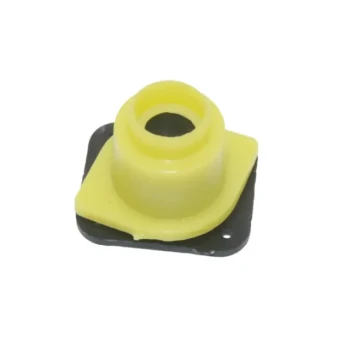
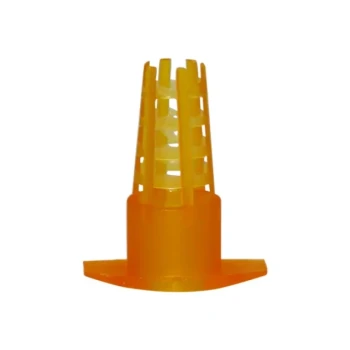
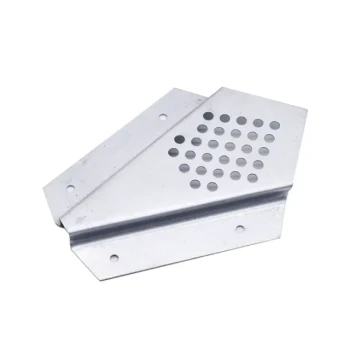
Placing a queen excluder at the hive entrance is intended to trap the queen inside while allowing workers to pass.
Honey bees are highly adaptable; workers can restrict the queen's food intake to slim her down. Once her abdomen reduces in size, she is often able to squeeze through the mesh of the excluder, rendering the barrier useless.
Drone Congestion and Hive Efficiency
Using an excluder at the entrance creates a bottleneck for the entire colony.
Drones, which are larger than workers, cannot pass through the excluder. They can become trapped against the screen, clogging the entrance and significantly reducing ventilation and foraging efficiency.
Common Pitfalls: Treating Symptoms vs. Causes
Ignoring the Root Cause
Using physical restraints like clipping or entrance barriers attempts to manage the symptom (the queen leaving) rather than the cause (overcrowding).
If the hive remains congested without vertical expansion or management, the bees will continue to attempt to swarm.
The Trade-off of Internal Excluders
While entrance excluders are poor swarm preventers, internal excluders are useful for isolating the queen during inspections or separating brood from honey.
However, relying on them for swarm prevention alone is ineffective. They must be combined with volume management, such as adding honey supers or reversing hive boxes to alleviate congestion.
Making the Right Choice for Your Goal
To effectively manage your hives, align your strategy with the specific behavior you are trying to control.
- If your primary focus is preventing reproductive swarms: Focus on space management by reversing brood boxes and adding supers to reduce overcrowding, rather than restraining the queen.
- If your primary focus is preventing absconding: Consider wing clipping only if you live in an area prone to severe drought or heat stress where colony migration is a high risk.
- If your primary focus is long-term stability: Proactively replace the queen annually, as new queens are naturally less inclined to swarm while acclimating to the hive.
Effective swarm control requires managing the colony's environment, not just the queen's mobility.
Summary Table:
| Method | Primary Limitation | Common Failure Mode |
|---|---|---|
| Wing Clipping | Only affects the old queen | Colony swarms later with a virgin queen |
| Entrance Excluder | Physical dimensions can change | Workers slim down the queen to fit through |
| Drone Congestion | Blocked hive ventilation | Drones get trapped, clogging the entrance |
| Root Cause Neglect | Ignores overcrowding | Bees remain driven to swarm due to lack of space |
Scale Your Apiary Success with HONESTBEE
Managing swarms is only one part of running a successful commercial apiary or distribution business. At HONESTBEE, we understand the complexities of large-scale beekeeping. We provide commercial apiaries and distributors with a comprehensive wholesale range of high-quality tools, specialized machinery, and essential consumables.
Whether you need hive-making machines to expand your capacity, honey-filling equipment to streamline production, or premium beekeeping hardware, our portfolio is designed to enhance your efficiency and profitability. From professional-grade tools to honey-themed cultural merchandise, we deliver the reliability your business demands.
Ready to upgrade your beekeeping operations? Contact us today to discuss your wholesale needs
Related Products
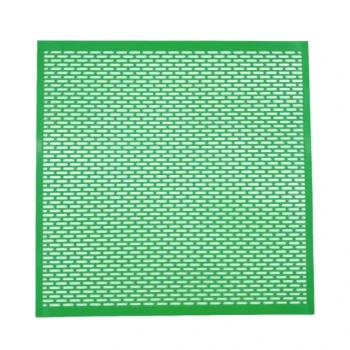
- High Performance Plastic Queen Excluder for Beekeeping and Apiary Management
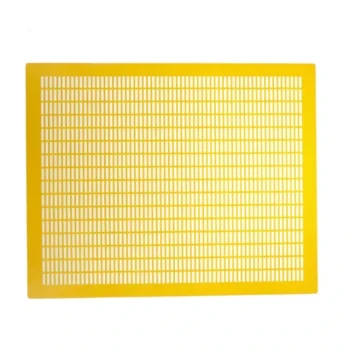
- Professional Plastic Queen Excluder for Modern Beekeeping
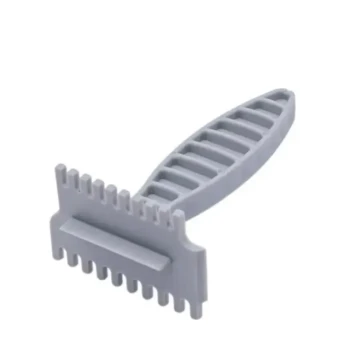
- Lightweight Durable Plastic Queen Excluder Scraper for Beekeeping
- Metal Queen Bee Excluder for Beekeeping
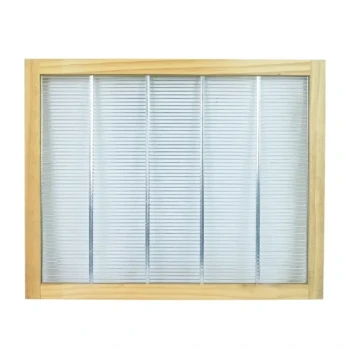
- Premium Wood Framed Metal Wire Queen Bee Excluder
People Also Ask
- What are the characteristics of a plastic queen excluder? Key Benefits for Cost-Effective Beekeeping
- What are the operational and cost advantages of using plastic queen excluders over metal or wire excluders in commercial hive management? Discover how they reduce labor, prevent wing damage, and lower total costs.
- What types of queen excluders are available for beekeepers? Choose the Right Tool for Your Hive
- Why are standardized hive frames and queen excluders essential for maintaining honey purity and quality? Scale Your Purity
- Do plastic queen excluders work? A Cost-Effective Solution for Modern Apiaries