Placing artificial queen cells in a queenless colony is a vital acclimation strategy known as "polishing" or acceptance pre-treatment. For a period of 14 to 16 hours, worker bees actively trim and refine the edges of the plastic cups, effectively stripping away the scent of artificial materials. This preparation ensures the cells mimic natural honeycomb structures, leading to immediate larval acceptance and feeding upon grafting.
The polishing process bridges the gap between synthetic materials and the hive's biological expectations. By allowing bees to modify the cell structure and apply their own scent, you significantly increase the likelihood that grafted larvae will be accepted rather than rejected as foreign objects.
The Mechanics of the Polishing Process
Eliminating Artificial Signatures
Artificial queen cups, typically made of plastic, carry distinct odors that are foreign to the hive.
When placed in a colony for 14 to 16 hours, worker bees tirelessly clean the surface. This removes these manufacture-related scents that would otherwise trigger rejection behaviors.
Structural Refinement by Workers
Beyond simple cleaning, the bees physically alter the artificial cups.
They trim and polish the edges of the cells. This refinement makes the rigid artificial edges feel more like the pliable, organic wax of a natural queen cell.
Application of Colony Scent
During this window, bees coat the interior of the cups with a thin layer of natural beeswax.
This imparts the specific pheromone signature (scent) of the colony to the cup. The result is a vessel that smells and feels like it belongs to the hive, rather than an intruder.
The Impact on Larval Acceptance
Inducing Immediate Feeding
The ultimate goal of queen rearing is the rapid provision of royal jelly to the grafted larvae.
Because polished cells "feel" natural, nurse bees encounter less friction in recognizing the new larvae. They begin feeding behavior immediately, preventing the larvae from drying out or starving in the critical first hours.
Reducing the "Foreign Sensation"
Bees are highly sensitive to texture and chemical cues.
If a larva is placed into a dry, unpolished plastic cup, the bees perceive a "foreign sensation." Pre-treatment minimizes this sensory disconnect, leading to higher overall acceptance rates for the graft.
Common Pitfalls and Trade-offs
The Risk of Direct Grafting
Skipping the polishing phase is a common error that prioritizes speed over success.
Grafting directly into fresh, unpolished plastic cups often leads to high rejection rates. The bees waste valuable time inspecting and cleaning the foreign object rather than nursing the vulnerable larva.
Timing Considerations
While the primary polishing window is 14 to 16 hours, some protocols suggest up to 24 hours.
However, leaving empty cups in a colony for too long can be counterproductive if the bees begin to build excessive comb around them or fill them with nectar. The 14–24 hour window is the "sweet spot" for cleaning without obstruction.
Making the Right Choice for Your Goal
To maximize your results, tailor your approach based on your specific objective:
- If your primary focus is maximum acceptance rates: Ensure you place grafting frames in the colony at least 24 hours prior to grafting to allow for a thorough coating of beeswax and colony scent.
- If your primary focus is preventing larval dehydration: Supplement the polishing process by coating the cup bottoms with a 1:1 diluted royal jelly mixture to provide immediate moisture and chemical nursing signals.
By respecting the bees' need for familiar textures and scents, you transform artificial tools into biological assets.
Summary Table:
| Stage of Preparation | Duration | Key Action | Benefit to Queen Rearing |
|---|---|---|---|
| Scent Elimination | 14-16 Hours | Workers strip plastic/manufacture odors | Prevents bees from rejecting cells as foreign objects |
| Structural Polishing | 14-16 Hours | Bees trim and refine edges of plastic cups | Mimics natural wax texture for better worker interaction |
| Pheromone Coating | 14-16 Hours | Bees apply a thin layer of colony beeswax | Ensures larvae 'smell' like they belong to the hive |
| Grafting Success | Post-Polishing | Immediate feeding by nurse bees | Prevents larval dehydration and maximizes survival rates |
Maximize Your Colony’s Productivity with HONESTBEE
Success in queen rearing starts with the right tools and the right techniques. At HONESTBEE, we specialize in supporting commercial apiaries and distributors with a full spectrum of professional beekeeping machinery, tools, and consumables. Whether you need high-quality queen rearing kits, specialized hive-making machines, or high-efficiency honey-filling equipment, our wholesale solutions are designed to scale your operations.
Ready to elevate your beekeeping business? Contact us today to discover how our industry-leading equipment and expert-grade supplies can streamline your production and enhance your apiary's output.
References
- Fazlah Wahid, Siva Nand Singh. Different artificial methods for rearing queen of Apis mellifera. DOI: 10.22271/j.ento.2023.v11.i4a.9214
This article is also based on technical information from HonestBee Knowledge Base .
Related Products
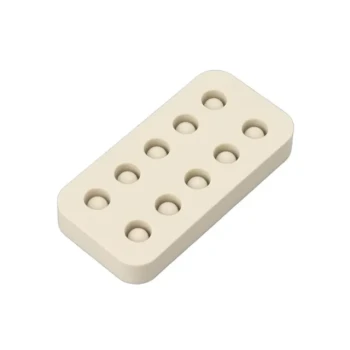
- 10-Cell Silicone Beeswax Bee Queen Cups Forming Mold
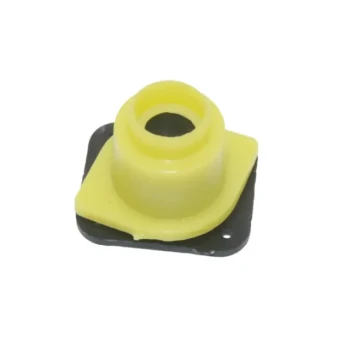
- JZBZ Type Wide Base Plastic Queen Cell Cups for Base Mounting and Queen Rearing
- Clear Black Plain Polystyrene Queen Bee Grafting Cell Cups No Lug for Bee Queen Cup
- JZBZ Push-In Queen Cell Cups for Beekeeping
- Brown Nicot Queen Cell Cups for Breeding Queen Bees Beekeeping
People Also Ask
- How do beeswax queen cell cups function? Optimize Queen Rearing with Biological Mimicry
- What is the biological function of beeswax queen cell cups? Boost Acceptance in Artificial Queen Rearing
- What role do specialized queen rearing tools play in developing mite-resistant honeybee stock? Master Genetic Selection
- What materials are used to make artificial queen cell cups for grafting? Beeswax vs. Plastic Guide
- What roles do specialized queen cell cups play in royal jelly production? Optimize Your Hive's Secretion and Yield