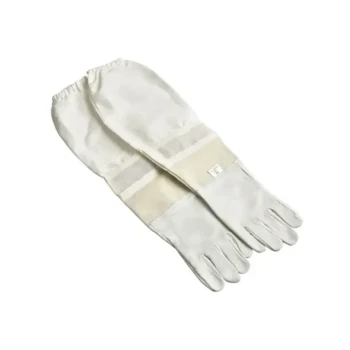
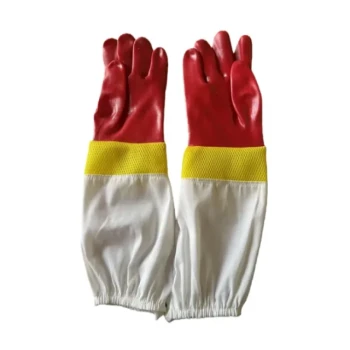
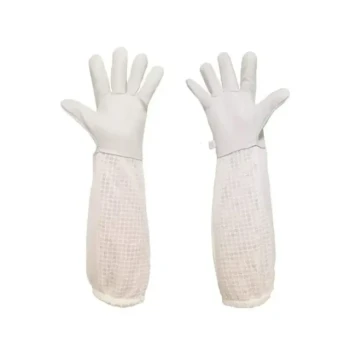
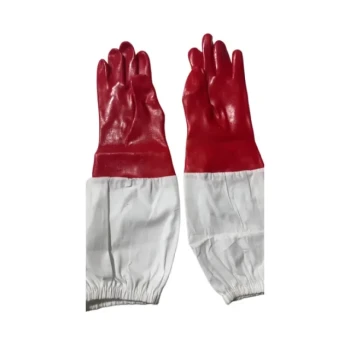
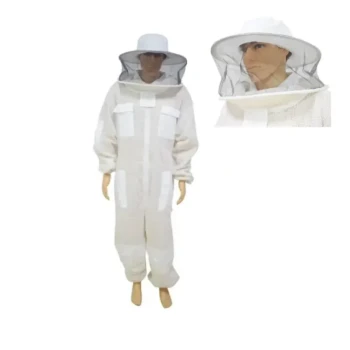
Bee veils and protective gloves serve as the fundamental safety infrastructure for commercial honey production. These items are essential because they provide a comprehensive physical shield against stings, which enables operators to maintain labor productivity during high-frequency hive movements, data monitoring, and honey harvesting.
Core Insight While often viewed simply as safety gear, veils and gloves are actually critical tools for operational continuity. They allow beekeepers to perform precise, high-volume tasks without the interruptions, errors, or colony disturbances caused by the threat of injury.
The Operational Impact of Protective Gear
In commercial apiaries, the function of protective gear extends far beyond personal comfort. It is directly tied to the efficiency of the workflow and the quality of hive management.
Maintaining Labor Productivity
Commercial honey production requires high-frequency hive movements and repetitive maintenance tasks. Without reliable protection, the risk of stings creates physical and psychological barriers that slow down operations.
Protective gear ensures continuous operation by preventing sting-related injuries that would otherwise force a work stoppage. This allows workers to handle maintenance, such as replenishing sugar water or clearing pests like termites, without hesitation.
Enabling Precise Data Monitoring
Modern beekeeping relies on accurate data regarding hive weight and colony growth. Bee veils are essential for this data collection, as they allow operators to focus on reading measurements rather than dodging defensive bees.
When operators are protected, they can accurately weigh hives and extract combs for analysis. This leads to better decision-making based on reliable data rather than rushed estimates.
Facilitating Refined Colony Management
Complex tasks, such as hive splitting or detecting parasites like Varroa mites, require steady hands and close observation.
High-transparency veils protect the face while ensuring the beekeeper can clearly identify the queen bee or health issues. Similarly, gloves must balance abrasion resistance with manual dexterity, allowing for the manipulation of frames without clumsiness.
Impact on Colony Stability
The mindset of the beekeeper directly affects the behavior of the bees. Protective gear acts as a stabilizer for the entire apiary environment.
Reducing Colony Disturbance
When a beekeeper is confident in their protection, they move calmly and deliberately. Panic and rapid movements—common reactions to the fear of being stung—trigger defensive aggression in Western honey bees (Apis mellifera).
By serving as a physical barrier, this gear prevents the operator from reacting to potential threats with jerky movements. This ensures a stable environment for honey collection and reduces the chaos that often accompanies hive inspections.
Minimizing Bee Mortality
Calm handling, facilitated by high-specification gear, results in gentler operations. Aggressive interventions caused by operator stress often lead to crushed bees or damaged combs.
By allowing the beekeeper to focus on the task rather than their own safety, the equipment indirectly reduces bee mortality and keeps colony stress levels low, preserving the hive's vitality.
Understanding the Operational Trade-offs
While essential, relying heavily on protective gear introduces specific trade-offs that must be managed to ensure optimal performance.
The Dexterity vs. Protection Conflict
The most significant challenge lies in glove selection. Heavy-duty gloves offer maximum sting protection but can severely limit tactile feedback.
If gloves are too thick, a beekeeper may accidentally crush bees or handle frames too roughly because they cannot feel the pressure they are applying. Finding gloves that protect against stings while retaining the dexterity needed for refined management is a constant balancing act.
Visibility Limits
While professional veils are designed for transparency, they can still obscure fine details in poor lighting conditions.
A veil that is too dense may make it difficult to spot eggs or young larvae, potentially leading to missed diagnoses of colony health issues.
Making the Right Choice for Your Goal
Selecting the right balance of protection depends on the specific task at hand within the commercial operation.
- If your primary focus is Mass Harvesting: Prioritize heavy-duty, abrasion-resistant gloves and full suits to maximize speed and confidence during rapid, high-volume hive manipulation.
- If your primary focus is Colony Health & Breeding: Prioritize high-transparency veils and thinner, form-fitting gloves to ensure the visual clarity and dexterity needed to spot queens and parasites.
- If your primary focus is Staff Training: Ensure equipment provides a full "sealed yet breathable" barrier to eliminate panic in less experienced workers, reducing operational errors.
Ultimately, protective gear is not just about safety; it is a prerequisite for maintaining the rhythm, precision, and calm required for profitable honey production.
Summary Table:
| Feature | Operational Impact | Key Benefit for Commercial Apiaries |
|---|---|---|
| High-Transparency Veils | Enables precise data monitoring and queen spotting | Improves decision-making and colony health management |
| Dexterous Protective Gloves | Facilitates refined manual manipulation of frames | Minimizes bee mortality and accidental hive damage |
| Full Physical Shield | Reduces operator stress and jerky movements | Prevents defensive bee aggression and work stoppages |
| Abrasion Resistance | Supports high-frequency hive movements | Ensures long-term durability in heavy-duty harvesting |
Scaling Your Apiary Operations with HONESTBEE
Maximize your commercial productivity with professional-grade safety gear and equipment designed for high-volume honey production. At HONESTBEE, we specialize in supporting commercial apiaries and distributors with a comprehensive wholesale portfolio—from essential consumables like high-dexterity gloves and premium veils to advanced hive-making and honey-filling machinery.
Partner with HONESTBEE to enhance your operational efficiency and protect your workforce.
Contact Our Wholesale Experts Today
References
- Yidiat O. Aderinto, T O Aliu. Optimization of Honey Bee Production. DOI: 10.46300/9101.2020.14.13
This article is also based on technical information from HonestBee Knowledge Base .
Related Products
- Beekeeping Gloves Goatskin Leather with Long Cotton Sleeve for Beekeepers
- Goat Skin Leather Bee Sting Proof Beekeeping Gloves with Canvas Sleeve
- Goatskin Leather Beekeeper Gloves with Vent Long Sleeve for Beekeeping Honey Bee Sting Proof Protection
- White Cotton Beekeeping Jacket and Veil for Bee Keepers
- Premium Cowboy Beekeeper Hat with Visibility Veil Outdoor Professional Beekeeping Protective Gear
People Also Ask
- What are the characteristics of the best gloves for beekeeping? Choose Protection & Dexterity
- What are the primary purposes of using beekeeping gloves? Protect Your Hands and Ensure Apiary Hygiene
- What types of gloves are available for beekeeping? Choose the Right Protection for Your Hive
- Why is it important for beekeepers to wear gloves? Essential Safety and Confidence for Hive Management
- Why do some experienced beekeepers opt not to wear gloves? Discover the Benefits of Tactile Precision