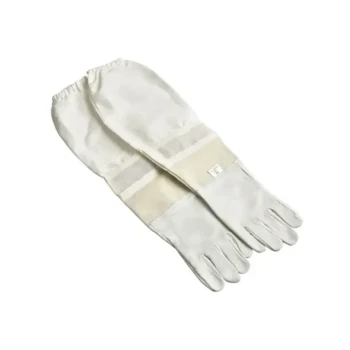
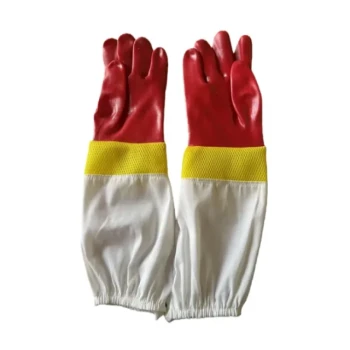
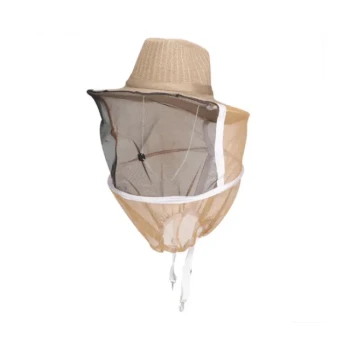
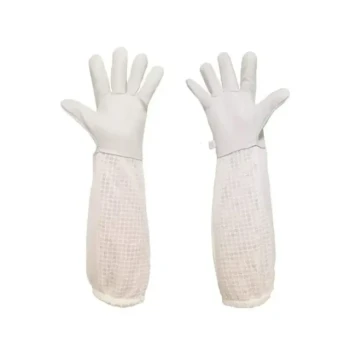
Bee veils and protective gloves are non-negotiable assets that function as vital physical barriers between the operator and the hive. Beyond simple injury prevention, this equipment is mandatory because it ensures technicians can maintain precise focus and uninterrupted workflow during high-intensity commercial production.
The commercial mandate for protective gear is less about avoiding pain and more about ensuring operational continuity. By neutralizing the distraction and risk of stings, this equipment allows operators to execute delicate technical tasks with the steady hands required for industrial-scale apiary management.
The Operational Necessity of Protection
Ensuring Workflow Continuity
In a commercial setting, time is a critical resource. Protective gear ensures that technicians can maintain a continuous workflow without the disruptions caused by injury.
During high-intensity production periods, the ability to work steadily without pausing to tend to stings is essential for meeting operational targets.
Facilitating Technical Precision
Beekeeping requires fine motor skills, such as manipulating honeycomb frames or marking queens.
Safety equipment allows operators to focus entirely on these precise technical tasks. Without the psychological and physical distraction of potential stings, technicians can handle hives with the necessary care and accuracy.
Critical Functions of Specific Gear
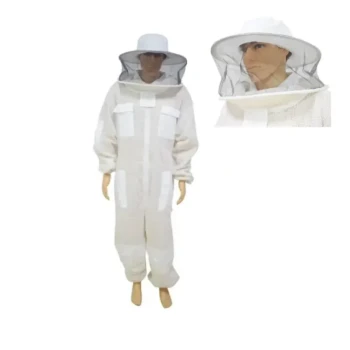
The Role of the Veil
At a minimum, a beekeeper must protect their eyes and face.
The veil is the most effective, least cumbersome method for preventing stings to the head and neck area. This protection is vital, as stings to the face can cause severe swelling that impairs vision and safety.
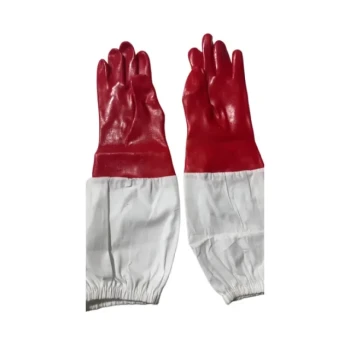
The Function of Protective Gloves
Hands are the most frequently exposed body part during hive inspections and management.
Gloves provide a tough, puncture-resistant barrier against stings. However, they are designed to balance protection with the manual dexterity required to perform fine-scale operations without clumsiness.
Understanding the Trade-offs
Mitigating Biological Risk
Bee stings possess biological toxins that can be fatal or cause significant downtime due to allergic reactions.
Industrial-grade protective clothing utilizes specialized fabrics and sealed structural designs. This significantly reduces the rate of industrial accidents and blocks these biological risks.
The Dexterity Challenge
While gloves are mandatory for protection, there is an inherent trade-off regarding tactile sensitivity.
Thick, protective materials can obscure the operator's sense of touch. This requires technicians to use specialized gloves that maintain enough dexterity to avoid accidentally crushing worker bees or harming the queen during handling.
Making the Right Choice for Your Goal
Selecting the appropriate level of protection depends on the specific nature of your apiary tasks.
- If your primary focus is heavy production: Prioritize suits and gloves with maximum puncture resistance to ensure speed and confidence during rapid hive manipulations.
- If your primary focus is delicate management: Select gloves that prioritize a tight fit and high dexterity to prevent accidental harm to the queen or colony during inspections.
Protective equipment is not merely a safety precaution; it is an infrastructure requirement that enables high-level productivity and biological safety.
Summary Table:
| Equipment Type | Primary Function | Operational Benefit |
|---|---|---|
| Bee Veil | Protects face, eyes, and neck | Prevents vision-impairing injuries and maintains focus |
| Protective Gloves | Puncture-resistant hand barrier | Allows steady handling of frames and delicate queen marking |
| Industrial Bee Suit | Full-body biological shield | Mitigates allergic risks and reduces industrial downtime |
| Specialized Dexterity Gloves | Balanced tactile sensitivity | Prevents accidental crushing of bees during fine inspections |
Elevate Your Apiary Efficiency with HONESTBEE
At HONESTBEE, we understand that for commercial apiaries and distributors, protective gear is more than safety—it is the foundation of industrial productivity. As a comprehensive wholesale supplier, we provide the full spectrum of professional beekeeping tools, from high-dexterity protective equipment and specialized hardware to advanced hive-making and honey-filling machinery.
Whether you are scaling your commercial operations or sourcing premium consumables for distribution, our portfolio is designed to meet the rigorous demands of the modern beekeeping industry. Partner with us to secure the tools and cultural merchandise your business needs to thrive.
Ready to optimize your production? Contact us today to explore our wholesale solutions.
References
- Aniketa Horo, J.M. Singh. An Economic Analysis of Stationary Beekeeping in the Northern States of India. DOI: 10.55446/ije.2023.1136
This article is also based on technical information from HonestBee Knowledge Base .
Related Products
- Beekeeping Gloves Goatskin Leather with Long Cotton Sleeve for Beekeepers
- Goat Skin Leather Bee Sting Proof Beekeeping Gloves with Canvas Sleeve
- Goatskin Leather Beekeeper Gloves with Vent Long Sleeve for Beekeeping Honey Bee Sting Proof Protection
- Premium Cowboy Beekeeper Hat with Visibility Veil Outdoor Professional Beekeeping Protective Gear
- White Cotton Beekeeping Jacket and Veil for Bee Keepers
People Also Ask
- What are the characteristics of the best gloves for beekeeping? Choose Protection & Dexterity
- What are the primary purposes of using beekeeping gloves? Protect Your Hands and Ensure Apiary Hygiene
- What types of gloves are available for beekeeping? Choose the Right Protection for Your Hive
- Why is it important for beekeepers to wear gloves? Essential Safety and Confidence for Hive Management
- Why do some experienced beekeepers opt not to wear gloves? Discover the Benefits of Tactile Precision