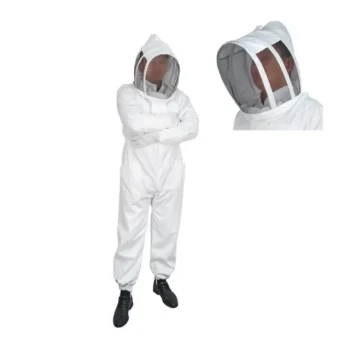
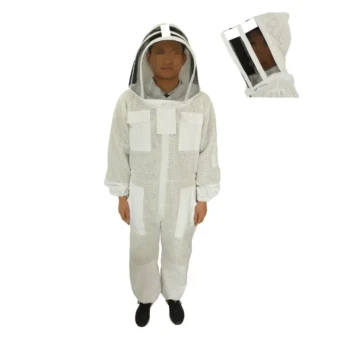
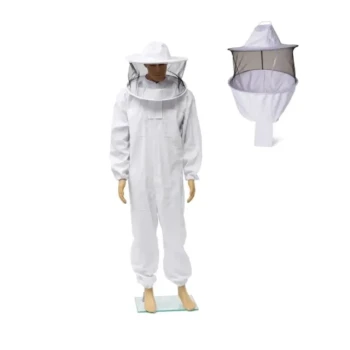
Boots are a critical line of defense for beekeepers because they protect the ankles, a frequently exposed area prone to stings. Their primary purpose is to seal the gap between the bottom of your bee suit or pants and your feet, ensuring absolutely no skin is visible or accessible to the bees.
Core Takeaway While a veil protects your face, boots prevent the most common equipment failure: "the gap." Effective footwear ensures a seamless seal, preventing bees from stinging your ankles or crawling up inside your pant legs.
Why Ankles are High-Risk Zones
The Vulnerability of Movement
When you inspect a hive, you are constantly bending, crouching, or kneeling. These movements cause standard pant legs to ride up.
The "Gap" Danger
Without proper footwear, this movement creates a gap between the hem of the pants and the shoe. This exposes the ankle skin directly to defensive bees.
The Upward Crawl
Bees do not always fly to attack; they often crawl. If a bee encounters a gap at the ankle, their natural instinct is to crawl upward, potentially entering your clothing. This creates a dangerous situation where the bee becomes trapped against your leg.
Selecting the Right Footwear
Recommended Styles
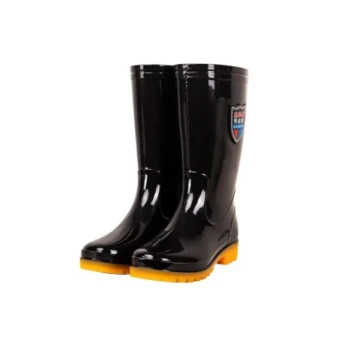
According to expert guidance, rain boots or high-top work boots are the standard recommendation. These styles provide the necessary height to cover the lower leg effectively.
Proper Fit and Integration
The boots must be high enough to allow for a secure overlap with your clothing. You should be able to tuck your pant legs inside the boots to create a sting-proof seal.
Utilizing Accessories
For those using work boots or shorter footwear, boot bands or straps can be used. These secure the pant leg around the boot to prevent them from riding up, though tucking pants into high boots generally offers superior security.
Common Pitfalls to Avoid
Prioritizing Fashion Over Function
Everyday sneakers or low-cut shoes are inadequate for beekeeping. They cannot seal the ankle gap, leaving you vulnerable to stings that deliver apitoxin (bee venom).
Ignoring Material Thickness
While the primary goal is covering skin, the material must also be thick enough to prevent stings. Sturdy rubber (rain boots) or leather (work boots) provides a barrier that bee stingers cannot easily penetrate.
Trading Safety for Comfort
High boots can be hot and heavy, potentially reducing agility. However, for new beekeepers, sacrificing some comfort for maximum protection is strongly advised until you understand your personal tolerance to bee venom.
Making the Right Choice for Your Goal
- If your primary focus is maximum security: Choose tall rubber rain boots and tuck your pant legs inside to guarantee bees cannot crawl up your legs.
- If your primary focus is ergonomics: Opt for sturdy, high-top work boots, but ensure you use tight boot bands to secure your pant cuffs over the boot.
The most effective protective gear is the kit that leaves zero gaps for a bee to enter.
Summary Table:
| Feature | Recommended Boot Types | Key Benefit |
|---|---|---|
| Design | Rain Boots / High-top Work Boots | Provides height to eliminate ankle gaps |
| Material | Thick Rubber or Leather | Sting-proof barrier stings cannot penetrate |
| Integration | Tucked-in or Boot Bands | Prevents bees from crawling up inside clothing |
| Safety Focus | Full Overlap | Ensures no skin is exposed during movement |
Elevate Your Apiary Safety with HONESTBEE
Protecting your team starts with professional-grade gear that leaves nothing to chance. At HONESTBEE, we specialize in supporting commercial apiaries and distributors with a comprehensive range of beekeeping essentials—from protective clothing and specialized hardware to advanced honey-filling machinery and hive-making tools.
Whether you are scaling your operations or stocking high-quality consumables for your customers, our wholesale solutions are designed for durability and performance. Contact us today to explore our full catalog and see how we can strengthen your beekeeping business!
Related Products
- Professional PVC Beekeeping Shoes with Integrated Non-Slip Sole
- White PVC Beekeeping Shoes with Non-Slip Safety Sole
- Metal Bee Hive Stand Bee Box Stand for Beekeeping
- Wholesales Dadant Size Wooden Bee Hives for Beekeeping
- Yellow Plastic Bucket Pail Perch for Beekeeping
People Also Ask
- What dual protection do professional beekeeping boots provide in tropical environments? Essential Safety for Apiarists
- What should be done if a bee gets inside a beekeeping shoe? A Guide to Safe, Sting-Free Removal
- What are the common types of shoes used by beekeepers? Select the Best Footwear for Apiary Safety and Comfort
- How does proper coverage contribute to the effectiveness of beekeeping shoes? Secure Your Feet Against Stings
- Why is it beneficial for beekeeping shoes to be easy to clean? Enhance Safety and Traction in Your Apiary