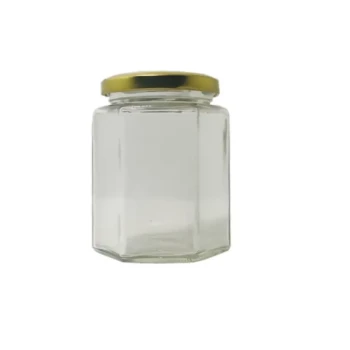
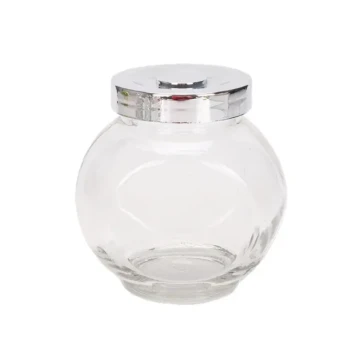
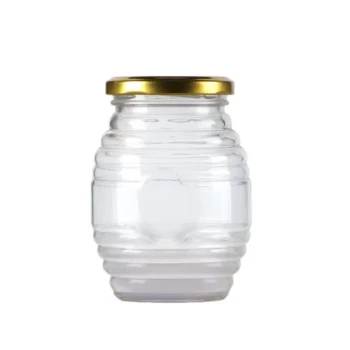
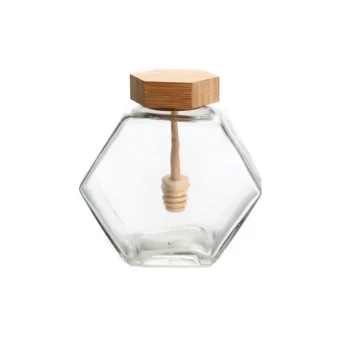
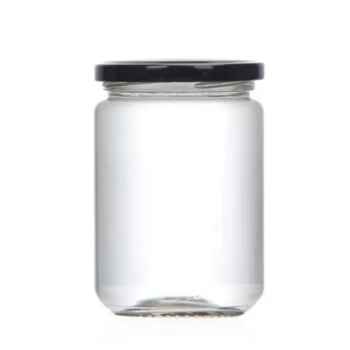
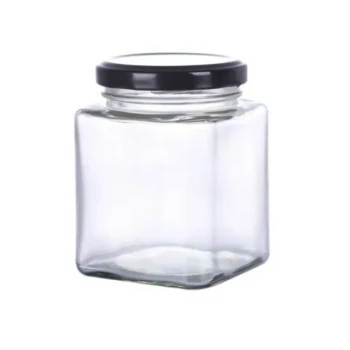
Glass jars represent a truly circular packaging solution. They are an eco-friendly choice because they are fully recyclable and can be reused indefinitely without ever losing quality. Unlike plastic, which degrades over time and poses long-term waste challenges, glass creates a sustainable material loop that significantly reduces the carbon footprint of packaging production.
The sustainability of glass extends beyond simple recycling; it offers a permanent material lifespan. Because glass is inert and durable, it protects the environmental integrity of the supply chain while simultaneously preserving the chemical purity of the honey inside.
The Mechanics of Sustainability
Indefinite Recyclability
The primary environmental advantage of glass is its ability to be recycled indefinitely. While plastic fibers shorten and degrade during the recycling process, glass can be melted down and reformed repeatedly without any loss of structural integrity or purity.
Eliminating Material Degradation
Plastic packaging degrades slowly, often breaking down into microplastics that harm the ecosystem. Glass avoids this completely. By utilizing glass, producers step away from the disposable economy and contribute to a system where materials are kept in productive use for longer periods.
Preserving Product Integrity
Chemical Inertness
Glass is chemically inert, meaning it does not react with its contents. It ensures that no chemicals leach into the honey, maintaining the product's purity exactly as the bees produced it. This prevents the flavor alteration often associated with lower-grade packaging materials.
Superior Barrier Properties
Honey is sensitive to its environment. Glass provides a superior barrier against air, moisture, and external odors. This isolation prevents fermentation caused by moisture absorption and locks in the volatile components that give honey its distinct aroma and flavor.
Prevention of Spoilage
By effectively blocking external moisture, glass helps prevent unwanted crystallization caused by water evaporation or spoilage due to fermentation. This extends the shelf life of the product, which is a critical component of sustainability—reducing food waste is just as important as reducing packaging waste.
Visual and Thermal Benefits
Consumer Transparency
High-transparency glass allows consumers to visually inspect the honey's color and clarity, which are key indicators of quality. Whether using traditional Muth Jars or Queenline Jars, the material showcases the golden hue of the product without the cloudiness often found in plastics.
High-Temperature Tolerance
Glass can withstand higher filling temperatures without deforming. This is essential for producers who bottle honey at specific temperatures to ensure flow and consistency, a process that could compromise the structural integrity of plastic containers.
Understanding the Trade-offs
Weight and Shipping Costs
The density of glass is a significant logistical hurdle. An empty 1 lb glass jar can weigh between 14 to 16 ounces, drastically increasing the total shipping weight compared to plastic. This results in higher fuel consumption during transport, which can offset some of the carbon benefits gained from recycling.
Fragility and Storage Limits
Glass is inherently fragile. To prevent breakage, you must invest in additional protective materials like bubble wrap and reinforced boxes, which adds to the waste stream. Furthermore, glass jars cannot be stacked as high as plastic containers in warehouses without risking structural failure, requiring more floor space for storage.
Making the Right Choice for Your Goal
- If your primary focus is Purity and Premium Branding: Choose glass to ensure zero chemical leaching, superior flavor preservation, and the high-end aesthetic that consumers trust.
- If your primary focus is Environmental Circularity: Select glass to participate in a closed-loop recycling system that eliminates the generation of non-degradable micro-waste.
- If your primary focus is Logistics and Cost Reduction: Be aware that the heavy weight and fragility of glass will significantly increase your shipping costs and carbon output during transport compared to lighter materials.
Ultimately, glass is the definitive choice for producers who prioritize the long-term purity of their product and the reduction of permanent material waste over short-term logistical ease.
Summary Table:
| Feature | Glass Jar Benefit | Sustainability Impact |
|---|---|---|
| Recyclability | 100% Indefinite | Creates a closed-loop system; zero quality loss. |
| Material Safety | Chemically Inert | No leaching; maintains honey's natural purity. |
| Product Protection | Superior Barrier | Blocks air and moisture; prevents spoilage/waste. |
| Aesthetics | High Transparency | Premium branding; showcases natural honey quality. |
| Durability | Heat Resistant | Withstands high filling temperatures without deforming. |
Scale Your Honey Production with HONESTBEE
At HONESTBEE, we empower commercial apiaries and distributors with the tools needed to succeed in a sustainable market. From premium glass packaging that preserves your honey's purity to advanced honey-filling machines and specialized beekeeping equipment, we provide the full spectrum of wholesale solutions.
Whether you are looking to upgrade your machinery or source high-quality consumables, our team is ready to support your growth with durable, efficient, and eco-friendly options.
Ready to elevate your honey brand? Contact us today to explore our comprehensive wholesale catalog!
Related Products
- Hexagonal Glass Honey Jars with Metal Lug Caps Elegant Versatile Packaging
- Classic Drum Shaped Glass Honey Jar with Airtight Lid
- Classic Glass Honey Jar with Metal Lug Cap for Beehive Storage
- Hexagonal Glass Honey Jar with Wooden Lid Integrated Dipper Elegant Functional Storage
- Classic Round Glass Honey Jar with Lid
People Also Ask
- What is the aesthetic appeal of using glass jars for honey? Elevate Your Brand with Premium Packaging
- What are the logistical challenges associated with using glass jars for honey packaging? Navigating Weight & Fragility
- What are the advantages of glass containers for honey? Elevate Quality and Market Value with Premium Packaging
- What are the technical advantages of using glass jars for honey? Master Commercial Packaging for Premium Purity
- What are the advantages of using glass jars for honey packaging? Preserve Purity & Elevate Your Brand