The high water content of stingless bee honey makes it exceptionally prone to spoilage. Unlike standard honey, this variety is highly susceptible to rapid natural fermentation and microbial contamination. High-standard sterile packaging serves as a critical physical barrier, blocking external contaminants and ensuring the honey remains stable and safe without the use of chemical preservatives.
The core function of sterile packaging is to manage the volatility of a high-moisture product. It transforms the container from a simple vessel into a controlled environment, preventing fermentation while preserving the honey's unique medicinal properties.
The Critical Role of Moisture Control
Mitigating Fermentation Risks
Stingless bee honey is defined by its high moisture content, which acts as a catalyst for yeast and bacteria. Without a sterile environment, natural fermentation accelerates rapidly, degrading the product.
Preventing Atmospheric Absorption
Honey is hygroscopic, meaning it naturally draws moisture from the surrounding air. Sterile, airtight packaging isolates the honey from external humidity, ensuring the water content remains stable.
Eliminating Secondary Contamination
Sterile bottles treated through physical sterilization effectively block secondary contamination sources. This maintains the hygienic quality required for food safety standards without altering the honey's chemical makeup.
Preserving Chemical and Medicinal Value
Ensuring Chemical Inertness
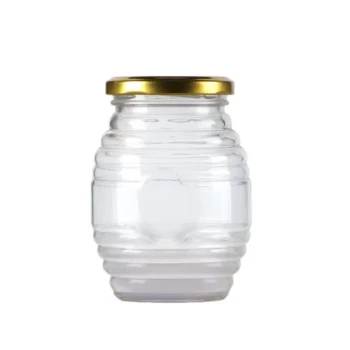
High-standard containers, particularly glass, provide chemical inertness. They do not react with the honey’s complex acidic profile, preventing the leaching of container materials into the product.
Protecting Bioactive Compounds
Stingless bee honey is prized for its enzymes, antioxidants, and flavonoids. Sterile isolation prevents oxidative degradation, ensuring these bioactive components remain potent from the farm to the consumer.
Enabling Beneficial Aging
When properly sealed in a sterile environment, stingless bee honey can undergo a controlled aging process. This natural evolution can actually increase the concentration of antioxidants, enhancing the honey's functional food value over time.
Understanding the Trade-offs
Material Weight vs. Protection
While glass offers superior inertness and sealing, it is heavier and more fragile than plastic. However, for high-value medicinal honey, the protection against chemical leaching usually outweighs the logistical inconvenience of glass.
Packaging is Not a Panacea
Sterile packaging is essential, but it cannot reverse damage if the honey was already contaminated during harvest. Furthermore, packaging must often be paired with low-temperature storage (4–8°C) to fully inhibit enzyme activity and preserve phenolic compounds.
Making the Right Choice for Your Goal
To maximize the value of your stingless bee honey, select packaging based on your specific objective:
- If your primary focus is Market Safety: Prioritize sterile sealing to strictly prevent fermentation and ensure compliance with food hygiene standards.
- If your primary focus is Medicinal Value: Utilize chemically inert materials like glass to allow for natural aging and the enhancement of antioxidant profiles.
The right packaging does not just store the product; it stabilizes the delicate biochemistry that makes stingless bee honey valuable.
Summary Table:
| Feature | Importance for Stingless Bee Honey | Benefit |
|---|---|---|
| Moisture Control | Manages high water content (catalyst for yeast) | Prevents rapid fermentation and spoilage |
| Airtight Sealing | Blocks hygroscopic moisture absorption | Maintains stable water content and quality |
| Chemical Inertness | Prevents reactions with acidic honey profiles | Eliminates chemical leaching and off-flavors |
| Sterile Environment | Eliminates secondary microbial contamination | Ensures food safety without preservatives |
| Bioactive Protection | Prevents oxidative degradation | Preserves enzymes, antioxidants, and flavonoids |
Elevate Your Honey Brand with HONESTBEE Quality
At HONESTBEE, we understand that the delicate biochemistry of stingless bee honey requires more than just a container—it requires a preservation strategy. As a leading provider for commercial apiaries and distributors, we offer a comprehensive wholesale range of high-standard, sterile packaging solutions and specialized hardware designed for high-moisture products.
Whether you need chemically inert glass bottles to enhance medicinal value or industrial honey-filling machinery to maintain sterile standards, our portfolio supports your entire operation. Let us help you safeguard your harvest's potency and market value.
Ready to scale your production with professional-grade equipment? Contact HONESTBEE Today for Wholesale Solutions
References
- Muhammad Natsir, Wilsa Wilsa. The business potential of Trigona Peunawa Samudra honey in the form of simple patent rights as an effort to develop university economic independence. DOI: 10.52626/jg.v7i1.309
This article is also based on technical information from HonestBee Knowledge Base .
Related Products
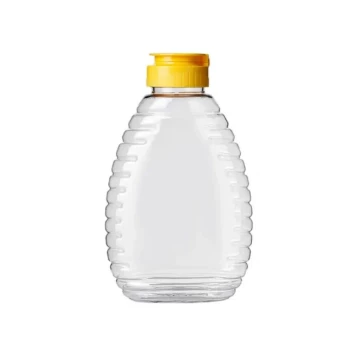
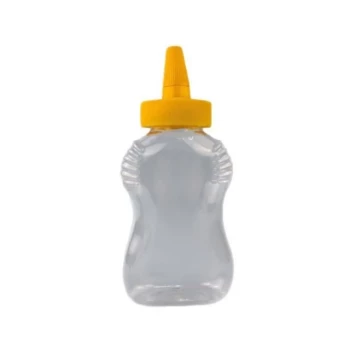
- Classic Beehive Honey Bottle Jar with Squeeze Dispenser Lid
- Squeezable No-Drip Beehive-Shaped Honey Jars with Flip-Top Cap
- Classic Glass Honey Jar with Metal Lug Cap for Beehive Storage
- Food Grade Plastic Honey Bucket Pail for Beekeeping
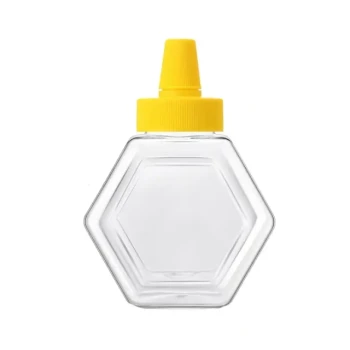
- Hexagonal Squeeze Honey Bottle with No Drip Lid
People Also Ask
- Why use high-quality honey jars? Protect Your Harvest with Superior Plastic & Glass Packaging Solutions
- What are the benefits of squeeze bottles for honey packaging? Unlock Mess-Free Convenience & Control
- How should honey bottles be prepared before pouring honey into them? The #1 Rule for Honey Longevity
- What are the features of honey bottles? Design for Convenience & Long-Term Preservation
- What are the features and benefits of using honey bottles for packaging? Optimize Preservation and Consumer Experience