Precision in honey sampling relies on eliminating historical variables. New hive frames with wax sheets are introduced during the sampling stage to ensure that the honey collected is exclusively derived from the specific flowering period and geographical location currently under study. This creates a controlled production environment, preventing honey residues from previous seasons—often found in old combs—from contaminating the sample and skewing botanical origin results.
The introduction of fresh frames acts as a biological "reset button" for the hive. By compelling bees to build, fill, and cap new comb within a set timeframe, researchers guarantee the sample reflects only the current botanical environment, free from the chemical "noise" of previous seasons.
Ensuring Data Integrity
Eliminating Cross-Contamination
The primary objective of using fresh wax sheets is to isolate the sample from the past. Old honeycombs often retain residues of nectar and pollen from previous seasons or different geographical locations.
If researchers use existing combs, the resulting analysis would be a mixture of old and new data. Fresh frames ensure the physicochemical analysis reflects only the current flora.
Controlling the Production Cycle
Technicians need to verify that the honey was produced entirely within a specific observation window.
By inserting new frames, researchers can track the exact timeline of the comb building, filling, and capping process. This strict temporal control is vital for attributing the honey to a specific seasonal bloom.
The Role of Wax Foundations
Optimizing Bee Efficiency
While the primary goal is scientific accuracy, wax sheets also serve a functional role in the hive's workflow.
Bees naturally secrete wax to build combs, a process that consumes significant energy. Providing wax foundation sheets reduces this burden, allowing bees to redirect their energy toward collecting pollen and nectar, which accelerates the sampling process.
Guiding Structural Integrity
Wax sheets act as a guide for the bees. They ensure that the combs are constructed neatly within the frames.
This structural uniformity facilitates easier mechanical extraction later and ensures the sampling process does not damage the hive unnecessarily.
Botanical Verification
Validating Geographical Origin
The ultimate goal of this method is to support accurate Melissopalynology—the study of pollen in honey to determine its source.
By ensuring the honey is fresh, the pollen spectrum found within the sample will accurately match the local vegetation of the specific region. This creates a reliable chronological record of nectar plants for that specific geography.
Understanding the Trade-offs
Equipment Costs
Introducing new frames and wax sheets for every sampling session increases the material cost of the research. Unlike standard beekeeping, where combs are reused for years, scientific sampling requires constant replacement to ensure sterility.
Disruption to the Colony
While necessary for accuracy, swapping frames requires opening the hive and manipulating its internal structure. This causes temporary stress to the colony, which must be managed carefully to avoid impacting the bees' health or behavior.
Maximizing Sampling Accuracy
To ensure your geographical origin research yields valid results, consider how these variables align with your specific objectives:
- If your primary focus is strictly botanical origin: You must use fresh hive frames to eliminate any risk of residue from previous flowering seasons.
- If your primary focus is production efficiency: Use wax sheets to reduce the metabolic energy bees spend on construction, thereby increasing nectar accumulation rates.
- If your primary focus is organic purity: Ensure that in addition to fresh frames, you utilize sterile sampling containers to prevent secondary contamination from external microorganisms.
The integrity of your analysis is defined by the cleanliness of your initial sample collection.
Summary Table:
| Factor | Benefit of New Frames & Wax Sheets |
|---|---|
| Data Integrity | Eliminates residues from previous seasons to ensure 100% botanical accuracy. |
| Temporal Control | Tracks the exact production timeline during specific flowering windows. |
| Bee Efficiency | Reduces energy spent on wax secretion, accelerating nectar collection. |
| Structural Uniformity | Ensures neat comb construction for easier mechanical honey extraction. |
| Research Validity | Provides a clean pollen spectrum for precise Melissopalynology analysis. |
Elevate Your Beekeeping Operation with HONESTBEE
At HONESTBEE, we understand that precision is the backbone of successful commercial apiaries and distribution networks. Whether you are conducting rigorous geographical origin research or scaling up honey production, our comprehensive wholesale offering provides the tools you need to succeed.
From specialized hive-making and honey-filling machinery to high-quality wax foundations and essential beekeeping consumables, we supply the full spectrum of equipment designed for efficiency and integrity. We also offer a unique array of honey-themed cultural merchandise to help you diversify your brand's reach.
Ready to optimize your supply chain with a partner who understands the industry?
Contact HONESTBEE Today to discuss how our professional-grade tools and hardware can drive your business forward.
References
- Pablo Cracco, Estela Santos. Honey characterization from two landscapes of the northeast region of Uruguay. DOI: 10.31285/agro.26.980
This article is also based on technical information from HonestBee Knowledge Base .
Related Products
- Beeswax Foundation Sheets Beehive Foundation for Wholesale
- Assembled Wooden Bee Frames with Beeswax Foundation Ready to Use by HONESTBEE
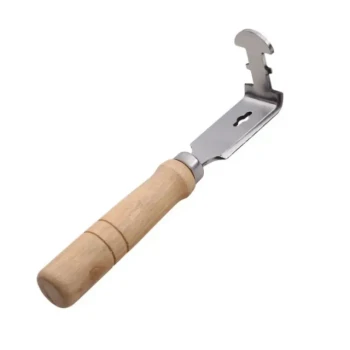
- Stainless Steel J Hook Hive Tool for Beekeeping
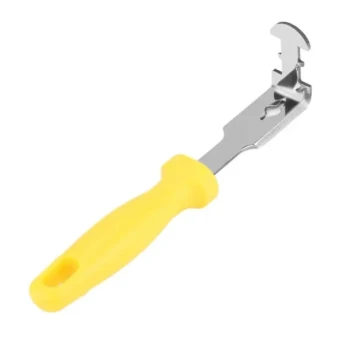
- Professional Stainless Steel Frame Cleaner with Ergonomic Wood Handle
- Wooden Bee Hive Frames for Beekeeping and Wholesale
People Also Ask
- What are the technical advantages of beeswax foundations and feeding tools? Optimize Your Bee Breeding Phase
- Why is the regular exchange and replacement of beeswax foundations encouraged? Boost Honey Yield & Hive Biosafety
- What are the negative consequences of using old or contaminated beeswax in foundations? Protect Your Hive Today
- Why is high-purity natural beeswax essential for foundations? Prevent Larval Mortality & Boost Colony Health
- What are the specific advantages of regular comb replacement? Boost Hive Health with New Beeswax Foundations