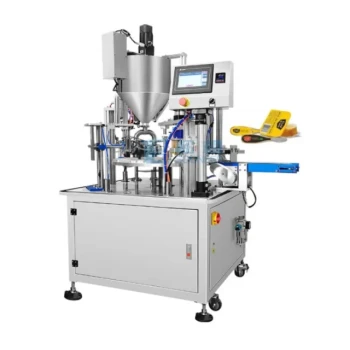
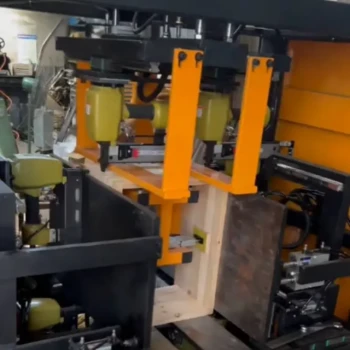
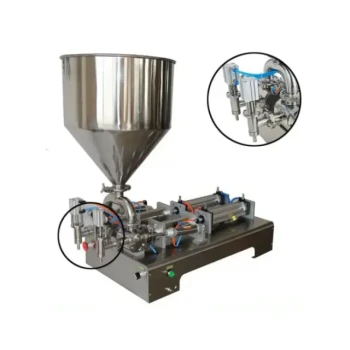
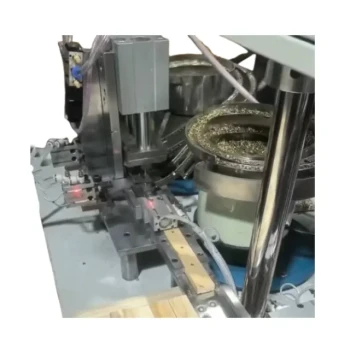
Industrial automated filling and packaging machines are the critical link that transforms raw bee pollen into a scalable, safe commercial product. These systems are essential because they provide the precise dosage control and rigorous physical barriers necessary to prevent oxidation and microbial contamination, which are significant risks during the processing of pollen into granules, tablets, or liquids.
The Bottom Line: Bee pollen is a fragile, nutrient-rich substance that degrades quickly when exposed to air or moisture. Industrial automation is not merely a convenience; it is a quality assurance necessity that creates a sterile, low-oxygen environment to maintain antioxidant potency and extend shelf life for up to two years.
The Critical Role of Environmental Control
Combating Hygroscopic Sensitivity
Bee pollen is highly hygroscopic, meaning it readily absorbs moisture from the surrounding atmosphere. This moisture absorption creates an ideal breeding ground for mold and bacteria.
Automated packaging equipment solves this by sealing the product in a closed, clean environment. By isolating the pollen from atmospheric moisture immediately after processing, these machines prevent the degradation of the product’s chemical composition.
Preventing Oxidative Rancidity
Bee pollen contains fats and sensitive polyphenolic compounds that are prone to oxidation. When exposed to air, these components can turn rancid, destroying the product's nutritional value.
Industrial vacuum packaging machines are critical here because they actively remove air before sealing. This creates a low-oxygen environment that protects antioxidants and prevents fats from spoiling, ensuring the product retains its bioactivity during storage.
Standardization and Scalability
Achieving Precise Dosage Control
Manual packaging often results in inconsistencies that are unacceptable for commercial retail. Automated filling machines enable high-precision quantitative packaging, ensuring that every unit contains the exact specified amount of product.
This precision reduces product loss during dispensing and guarantees that the final product meets regulatory standards for weight and volume.
Eliminating Contamination Risks
Manual processing introduces significant risks regarding hygiene and secondary pollution. Humans are often the primary source of contaminants in food processing.
Automated systems maintain a sterile environment that isolates the product from human contact. This adherence to strict food safety standards is required to transition bee products from raw agricultural goods to high-value commodities suitable for international trade.
Understanding the Risks of Inadequate Packaging
The "Manual Processing" Trap
It is a common pitfall to assume that manual packaging is sufficient for small-scale operations. However, due to the nutrient-rich nature of bee pollen, manual handling often leads to secondary pollution and inconsistent sealing.
The Cost of Poor Sealing Integrity
If the seal integrity is compromised—a common occurrence with non-industrial equipment—the shelf life drops precipitously. A weak seal allows oxygen and moisture ingress, rendering the drying and freezing stages of processing useless. To achieve a stable two-year shelf life, the physical barrier provided by industrial-grade sealing is non-negotiable.
Making the Right Choice for Your Goal
To maximize the value of your bee pollen processing line, align your equipment choice with your specific commercial objectives:
- If your primary focus is Product Potency: Prioritize vacuum packaging technology to remove oxygen, preventing rancidity and preserving the activity of antioxidants and polyphenols.
- If your primary focus is Market Expansion: Invest in automated filling systems that ensure consistent dosing and professional external presentation, which are prerequisites for entering large-scale retail and international markets.
By automating the packaging stage, you effectively immunize your product against environmental degradation and position it as a premium, standardized commodity.
Summary Table:
| Feature | Manual Packaging | Industrial Automation | Impact on Bee Pollen |
|---|---|---|---|
| Moisture Control | High exposure risk | Hermetic sealing | Prevents mold and microbial growth |
| Oxygen Levels | Residual air trapped | Vacuum/Inert gas flush | Prevents rancidity and loss of antioxidants |
| Dosing Precision | Variable/Inconsistent | High-precision quantitative | Ensures regulatory compliance and reduces waste |
| Hygiene | Risk of human contamination | Sterile, isolated environment | Eliminates secondary pollution for food safety |
| Shelf Life | Short/Unpredictable | Up to 2 years | Maintains bioactivity and market value |
Elevate Your Bee Pollen Production with HONESTBEE
Transform your raw harvest into a premium, market-ready commodity with HONESTBEE. As a dedicated partner to commercial apiaries and distributors, we provide the specialized industrial hardware you need to succeed—from high-precision filling machines to advanced honey-making and packaging equipment.
Our comprehensive wholesale offering ensures your bee products maintain maximum potency and meet international safety standards. Whether you are looking to scale your processing line or source essential industry consumables, our team is ready to provide the tools and machinery that drive growth.
Ready to professionalize your apiary operations? Contact HONESTBEE Today
References
- İlginç Kızılpınar Temizer, Duygu Nur Çobanoğlu. BIBLIOMETRIC ANALYSIS OF RESEARCH ON BEE POLLEN: GLOBAL TRENDS AND COLLABORATION PATTERNS. DOI: 10.15237/gida.gd23036
This article is also based on technical information from HonestBee Knowledge Base .
Related Products
- Automatic Honey Filling and Filtering Machine for Beekeeping Bottle Filling
- Precision Durable Efficient HONESTBEE Rotary Honey Filling Machine
- Fully Automatic Honey Filling Packaging Machine for Processing Line
- Electric Flatting and Embossing Machine with Tray for Beekeeping
- Precision Automated Packaging Turntable Honey Spoon Filling Sealing Packing Machine
People Also Ask
- What process advantages do professional honey filtering and filling machines provide? Optimize Your Organic Honey Output
- How do honey filling and filtering machines increase product value? Turn Raw Honey into Premium Export-Grade Goods
- How do honey filtration and filling machinery contribute to industrialization? Scale Your Commercial Honey Production
- What specific issues do industrial filtration and automated filling machinery address? Ensure Honey Quality & Compliance
- How does the use of professional honey filtration and filling machinery facilitate international honey exports?