Insect nets are the definitive tool for collecting Oriental hornet (Vespa orientalis) samples because they uniquely balance collector safety with high-fidelity specimen preservation. By enabling precise capture while the hornets are actively preying on bees, these nets prevent the insects from escaping or harming technical personnel. Crucially, this manual method protects the hornet's physical structure, ensuring the sample remains useful for scientific analysis.
The primary value of using insect nets lies in the preservation of anatomical integrity. This method allows researchers to secure complete, undamaged specimens necessary for accurate macroscopic pathological examinations and taxonomic identification, without compromising the safety of the field team.
Preserving Specimen Integrity for Analysis
The scientific validity of a biological sample often depends on its physical condition upon arrival at the laboratory.
Minimizing Anatomical Damage
The use of insect nets is critical for minimizing physical trauma to the hornet during capture. Unlike mechanical traps or crude physical strikes, nets cushion the insect, preventing crushing or fragmentation. This ensures that the Vespa orientalis specimen remains whole.
Enabling Accurate Examinations
Complete specimens are a strict requirement for subsequent macroscopic pathological examinations. Furthermore, accurate taxonomic identification relies on specific, often delicate, morphological features. Insect nets preserve these structures, ensuring that critical data is not lost due to collection damage.
Safety and Precision in the Field
Field collection of stinging insects presents significant risks that must be managed through proper tooling.
Mitigating Risk to Personnel
Collection often occurs while hornets are aggressively preying on bees, a state of high activity and potential danger. Nets provide a necessary physical extension, allowing technical personnel to capture the insect while maintaining a safe distance. This effectively prevents the hornets from causing injury to the collector.
Preventing Insect Escape
The agility of the Oriental hornet requires a tool capable of rapid, controlled containment. Nets allow for immediate and precise capture of specific targets. This reduces the likelihood of the insect escaping once it has been identified by the collector.
Operational Considerations
While insect nets are the superior choice for sample quality, they impose specific operational requirements on the field team.
Requirement for Active Engagement
This method is specifically designed for active scenarios where hornets are preying on bees. Unlike passive traps, net collection requires the physical presence of researchers during the hornets' hunting hours.
Reliance on Technical Skill
The primary reference notes that "technical personnel" perform these captures. The effectiveness of the net depends on the user's ability to perform precise movements. This is an active, skill-based collection method rather than an automated one.
Making the Right Choice for Your Goal
To ensure your field collection yields usable data, align your methods with your specific analytical needs.
- If your primary focus is Pathological Examination: Use nets to guarantee the complete preservation of the hornet's anatomical structure for macroscopic analysis.
- If your primary focus is Taxonomy: Rely on nets to prevent damage to critical morphological features required for accurate species identification.
Summary: For the Oriental hornet, the insect net is not just a capture device; it is a preservation tool that ensures the safety of the researcher and the scientific viability of the specimen.
Summary Table:
| Feature | Benefit of Using Insect Nets | Impact on Research |
|---|---|---|
| Specimen Integrity | Minimizes physical trauma and prevents crushing | Enables accurate macroscopic and pathological exams |
| Collector Safety | Provides a physical buffer between personnel and hornets | Reduces the risk of stings during high-activity predation |
| Capture Precision | Allows for rapid containment of specific targets | Prevents insect escape and ensures targeted sampling |
| Taxonomic Accuracy | Preserves delicate morphological features | Guarantees reliable species identification and data quality |
Elevate Your Apiary Management with HONESTBEE
Reliable field collection is just the beginning of successful beekeeping and research. At HONESTBEE, we understand the complex needs of commercial apiaries and global distributors. We provide a comprehensive wholesale range of professional-grade beekeeping tools, advanced machinery, and essential consumables designed for efficiency and durability.
Whether you need precision hardware like honey-filling machines and hive-making equipment, or specialized tools for colony management, we offer the technical expertise and high-quality inventory to scale your operations.
Ready to optimize your supply chain? Contact us today to explore our wholesale offerings and discover how HONESTBEE can support your business growth.
References
- Karen A. Power, Paola Maiolino. Detection of Honeybee Viruses in Vespa orientalis. DOI: 10.3389/fcimb.2022.896932
This article is also based on technical information from HonestBee Knowledge Base .
Related Products
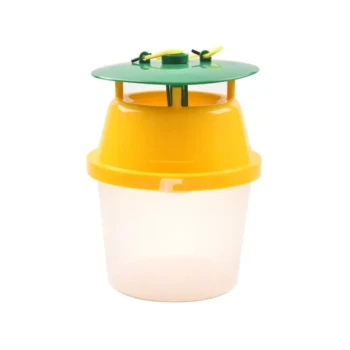
- Professional Bucket Style Wasp and Moth Pheromone Trap
- Compact Multi-Funnel Hanging Wasp Trap
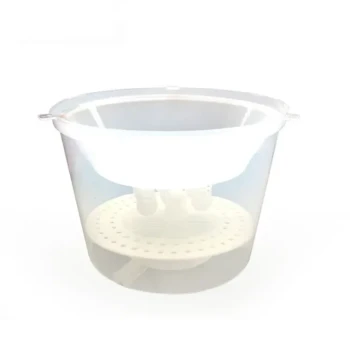
- Professional Multi-Component Bucket Wasp Trap
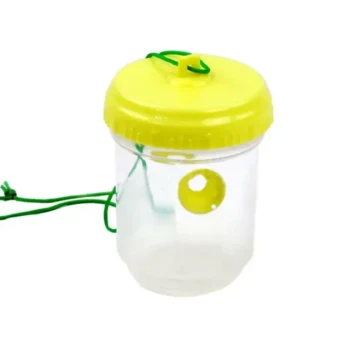
- Gourd Shaped Hanging Wasp Trap Professional Wasp Catcher
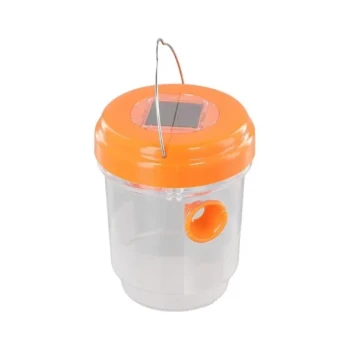
- Solar Powered LED Wasp Trap
People Also Ask
- What is the function of Pheromone Traps in the biosecurity monitoring of apiaries? Precision Tools for Pest Control
- What role do Pheromone Traps play in the IPM for Large African Hive Beetles? Essential Surveillance & Control Tips
- How do professional wasp traps function? Master Physical Control of Oriental Hornets to Protect Your Apiary
- What are the practical advantages of using professional wasp traps and protective equipment in apiary management? Scale Up
- Why replace sugar syrup bait in wasp traps every three days? Ensure Maximum Attraction and Catch Rates