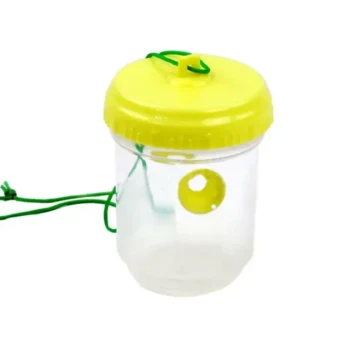
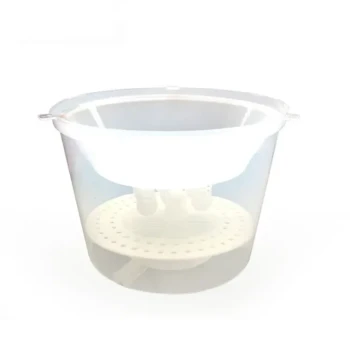
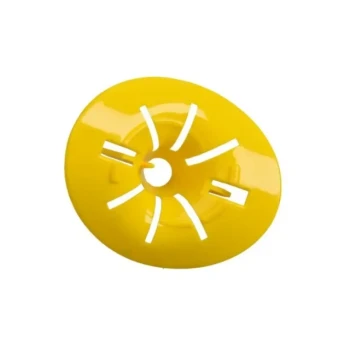
Pollen traps are the primary hardware used to quantitatively evaluate a colony's foraging success by intercepting pollen pellets from returning worker bees. These devices provide a physical record of the natural resources a colony is collecting, allowing apiarists to distinguish between natural foraging and supplementary nutrition. By collecting these samples, professionals can analyze the specific plant sources, volume of intake, and the overall vitality of the honeybee population.
Pollen traps serve as an essential diagnostic tool for commercial apiaries, converting the abstract activity of foraging into measurable data. This data is critical for optimizing colony health, validating feeding treatments, and assessing the environmental impact of local flora and agricultural chemicals.
Quantifying Foraging Performance and Colony Vitality
Measuring Environmental Resource Abundance
Pollen traps allow operators to systematically monitor the volume of pollen collected over specific intervals. This data helps determine the abundance of forage in the surrounding area, which is vital for optimizing colony relocation strategies and maximizing pollination efficiency.
Evaluating Queen Performance and Colony Health
By comparing pollen yields across different hives, researchers can identify superior genetic traits. For instance, data indicates that colonies led by heat-hardened queens maintain higher pollen output during high-temperature seasons, providing a direct metric for assessing colony performance under environmental stress.
Validating Nutritional and Feeding Treatments
Professional apiarists use pollen traps to evaluate the effectiveness of supplementary nutrition. By stripping and measuring natural pollen, they can isolate the effects of natural foraging versus human-provided treatments, ensuring the colony’s gut microbiota and overall health are properly supported.
Analyzing Environmental Impacts and Chemical Exposure
Identifying Plant Species and Foraging Preferences
Pollen traps provide fresh, raw samples that have not yet been processed by the colony. These samples allow for the classification and identification of plant sources based on color and morphology, revealing exactly which nectar-producing plants the bees are prioritizing in a given landscape.
Pesticide Residue and Toxicity Assessment
Foraged pollen is a critical indicator of environmental safety. Collected samples are often analyzed using advanced techniques like Liquid Chromatography-Tandem Mass Spectrometry (LC-MS/MS) to detect and quantify pesticide residues, helping to assess the toxicity risks associated with specific target fields.
Assessing Pollination Efficiency
The physical barrier created by the trap allows for the collection of representative samples without permanently interrupting colony activity. This makes it possible to calculate the utilization rates of different plant resources, giving a clear picture of how effectively the bees are servicing local crops.
Understanding the Trade-offs and Limitations
Impact on Colony Dynamics
While pollen traps are essential for data collection, they represent a physical restriction at the hive entrance. If used improperly or for excessive durations, they can temporarily reduce the total volume of pollen reaching the brood, potentially impacting larval development.
Maintenance and Sample Integrity
To ensure high-quality data, pollen must be collected daily to prevent moisture accumulation or degradation. Commercial operators must balance the need for large-scale sampling with the labor required to maintain the hardware and process the fresh, raw material before it loses its nutritional or chemical profile.
Selecting the Right Equipment for Your Operations
As a leading partner in the beekeeping supply chain, we offer a comprehensive full-spectrum product portfolio designed to meet the rigorous demands of commercial beekeeping and environmental research. Our deep professional industry expertise ensures that every piece of hardware, from wooden traps to specialized grids, meets the highest standards for durability and accuracy.
- If your primary focus is environmental toxicity monitoring: Prioritize traps that allow for the clean collection of raw samples suitable for LC-MS/MS laboratory analysis.
- If your primary focus is commercial colony management: Select high-efficiency "pollen strippers" that can be rapidly installed and removed to optimize relocation schedules.
- If your primary focus is research and genetic validation: Invest in standardized grid structures that provide consistent quantitative data across multiple colonies.
Empower your apiary management with precision-engineered tools and the reliable, ultra-fast delivery your business requires.
Summary Table:
| Application Area | Primary Function | Business & Ecological Benefit |
|---|---|---|
| Foraging Quantification | Measuring pollen volume & intake | Optimizes colony relocation and pollination schedules. |
| Colony Vitality | Assessing queen & worker performance | Provides measurable metrics for genetic selection and health. |
| Plant Identification | Classifying plant species & preferences | Maps local flora resources and nectar-producing priorities. |
| Toxicity Monitoring | Detecting pesticide residue (LC-MS/MS) | Assesses environmental risks and chemical exposure levels. |
| Nutritional Validation | Evaluating supplementary feeding | Distinguishes between natural forage and human-provided diet. |
Scale Your Supply Chain with HONESTBEE: Your Premier Wholesale Partner
As a dedicated partner to distributors, wholesalers, and B2B resellers, HONESTBEE provides the comprehensive, full-spectrum product portfolio your customers demand. From precision-engineered pollen traps to honey-filling machines and essential consumables, we offer one-stop sourcing for the entire beekeeping industry.
Why partner with HONESTBEE?
- Professional Expertise: Deep industry knowledge to support your technical inquiries.
- Rapid Fulfillment: Ultra-fast delivery and efficient order processing to keep your stock moving.
- Premium Service: Dedicated customer support and rapid response times tailored to commercial needs.
- Reliable Sourcing: High-quality hardware and merchandise designed for durability and accuracy.
Empower your business with a supplier that understands the complexities of commercial beekeeping. Contact us today to explore our wholesale offerings and OEM/ODM support!
References
- Jason A. Rothman, Quinn S. McFrederick. Longitudinal Effects of Supplemental Forage on the Honey Bee (Apis mellifera) Microbiota and Inter- and Intra-Colony Variability. DOI: 10.1007/s00248-018-1151-y
This article is also based on technical information from HonestBee Knowledge Base .
Related Products
- Removable Plastic Pollen Trap With Ventilated Tray for Bees Pollen Collector
- 30 cm Plastic Entrance Hole Bee Pollen Trap and Collector
- Plastic Bee Pollen Trap Strips Comb Catcher Collector
- High-Efficiency Diamond Maze Bee Escape for Clearing Supers
- Professional Bucket Style Wasp and Moth Pheromone Trap
People Also Ask
- What are the design principles and advantages of pollen traps in the collection of bee pollen? Boost Your Apiary Yield
- What is the function of professional pollen traps in evaluating honey plants? Quantifying Pollination and Crop Potential
- What functions do pollen traps serve for bee bread production? Optimize Your Raw Material Collection
- What maintenance and pest prevention measures should be taken for pollen traps? Protect Your Hive and Harvest Quality
- How does the use of pollen traps in honeybee hives enhance crop fertilization? Boost Your Yield Through Induced Activity