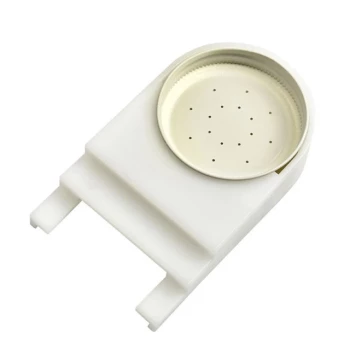
Professional feeding systems and nutritional consumables act as a critical defense mechanism for apiaries facing seasonal climate volatility. When natural nectar sources disappear due to extreme droughts or seasonal shifts, these interventions supply the vital energy and protein required to ensure colony survival and prevent collapse.
The primary function of these systems is to bridge the nutritional gap caused by environmental stress, effectively maintaining hive immunity and biological viability when nature cannot provide sufficient resources.
The Mechanics of Survival During Scarcity
Counteracting Resource Depletion
Seasonal climate risks, such as extreme droughts, directly impact the availability of local flora.
When flowers fail to bloom or produce nectar, apiaries face immediate resource shortages. Professional feeding systems intervene by simulating these natural flows, preventing the hive from entering a starvation state.
Providing Essential Energy
Bees require high caloric intake to maintain hive temperature and perform daily activities.
During resource-poor periods, the colony's energy reserves deplete rapidly. Nutritional consumables provide the carbohydrates necessary to fuel the colony’s metabolic needs when natural sugars are unavailable.
Addressing Protein Deficiencies
Beyond simple energy, colonies require protein for brood rearing and tissue repair.
Nutritional consumables often include protein supplements to replace missing pollen. This ensures that the colony can continue to raise new generations of bees even when the external environment is barren.
Strengthening Colony Resilience
Maintaining Hive Immunity
Malnutrition is a leading cause of susceptibility to disease and pests within an apiary.
The primary reference indicates that consistent nutrition is vital for maintaining colony immunity. By providing a steady diet during fluctuations, you ensure the bees' biological defenses remain active against pathogens.
Mitigating Colony Collapse
The ultimate risk of seasonal climate variance is total colony loss.
Without intervention, the combined stress of starvation and weakened immunity leads to population decline. Feeding systems act as an insurance policy, effectively mitigating the risk of collapse caused by these environmental gaps.
Strategic Considerations and Limitations
Supplementation vs. Replacement
It is critical to view these systems as interventions for "resource-poor periods," not permanent replacements for natural forage.
The goal is to support the colony during specific environmental fluctuations. Over-reliance during times of abundance may be unnecessary and economically inefficient.
The Necessity of Monitoring
The effectiveness of these systems relies on accurate timing regarding environmental conditions.
Apiary managers must identify when nectar sources are becoming scarce to deploy consumables effectively. Late intervention may not reverse the damage if immunity has already been compromised.
Making the Right Choice for Your Goal
To effectively manage climate risks in your apiary, align your feeding strategy with your specific objectives:
- If your primary focus is immediate survival: Prioritize high-energy carbohydrate consumables to prevent starvation during extreme droughts or nectar dearths.
- If your primary focus is long-term resilience: Integrate protein supplements to support brood rearing and maintain colony immunity against disease.
Proactive nutritional intervention is the single most effective tool for stabilizing apiaries against the unpredictability of a changing climate.
Summary Table:
| Feature | Impact on Colony Survival | Primary Benefit |
|---|---|---|
| Energy Consumables | Prevents starvation during droughts | Sustains metabolic heat and hive activity |
| Protein Supplements | Supports brood rearing and tissue repair | Ensures population growth in barren periods |
| Feeding Systems | Simulates natural nectar flow | Maintains hive immunity and biological viability |
| Strategic Timing | Bridges seasonal environmental gaps | Mitigates the risk of total colony collapse |
Secure Your Apiary’s Future with HONESTBEE
As a dedicated partner to commercial apiaries and global distributors, HONESTBEE understands that seasonal climate volatility poses a direct threat to your bottom line. We provide a comprehensive wholesale range of professional beekeeping tools, machinery, and essential nutritional consumables designed to stabilize your operations.
From high-performance feeding systems to hive-making and honey-filling machinery, our portfolio is engineered to enhance your resilience and efficiency. Don’t let environmental shifts compromise your colony health—leverage our industry expertise and premium equipment to ensure long-term productivity.
Ready to scale your beekeeping business? Contact HONESTBEE today to explore our wholesale solutions and secure the tools you need for success.
References
- U. Oladimeji, M. Ajao. Analysis of Risks in Honeybee Production Farms in Nigeria: A Boost to Food Security. DOI: 10.21608/eajbsa.2019.29075
This article is also based on technical information from HonestBee Knowledge Base .
Related Products
- HONESTBEE Entrance Bee Feeder Professional Hive Nutrition Solution for Beekeeping
- HONESTBEE Professional Entrance Bee Feeder Hive Nutrition Solution
- In-Hive Dual Compartment Frame Bee Feeder for Targeted Colony Nutrition
- HONESTBEE Round Hive Top Bee Feeder for Syrup
- Yellow Plastic Bucket Pail Perch for Beekeeping
People Also Ask
- What types of bee feeders are available for beginners? Start with the Simple Entrance Feeder
- What are the advantages and disadvantages of using an entrance feeder for bees? Balance Convenience and Hive Security.
- What is a bee entrance feeder and what are its drawbacks? Essential Guide to Hive Security and Feeding Efficiency
- How does a bee entrance feeder work? A Simple Guide to Convenient Hive Feeding
- How to make an entrance feeder for bees? A DIY Guide for Safe & Effective Feeding