Biological compatibility is the decisive factor in the preference for natural bee materials over industrial plastic for Apis cerana queen rearing. Because natural wax cups possess chemical signatures and textures that align with the bees' instincts, they significantly increase the rate at which worker bees accept artificial queen cells, while simultaneously boosting the volume of royal jelly secreted.
The Core Insight
While plastic offers logistical efficiency, natural bee-derived materials engage the biological instincts of Apis cerana. This "bio-mimicry" creates a nesting environment that triggers higher construction rates, increased royal jelly production, and ultimately yields queens with superior morphological and biological characteristics.
The Biological Advantage of Natural Materials
Chemical Familiarity and Acceptance
Apis cerana is highly sensitive to its environment. Natural beeswax possesses specific chemical signatures that are inherently familiar to the colony.
Because these materials mimic the natural nesting environment, worker bees do not view the cups as foreign objects. This results in a significantly higher acceptance rate of grafted larvae compared to sterile, industrial plastic surfaces.
Stimulation of Royal Jelly Secretion
The material composition of the cup directly influences the behavior of nurse bees. Natural wax cups stimulate a stronger feeding response.
Bees secrete a greater volume of royal jelly in natural cups than in plastic or generic alternatives. This abundance of nutrition during the critical early larval stages is essential for high-quality queen development.
Enhanced Construction Rates
Worker bees are more likely to build out and extend the cell walls on a natural wax base.
The primary reference notes that natural materials improve the construction rate of the cells. This seamless integration allows the bees to mold the artificial cup into a functioning queen cell more rapidly and effectively.
Impact on Queen Quality
Superior Morphological Traits
The benefits of natural cups extend beyond mere acceptance; they improve the physical quality of the resulting queen.
Research indicates that queens reared in natural wax cups exhibit better morphological characteristics. This includes optimal body size and reproductive potential, which are critical for the longevity and productivity of the colony.
Improved Biological Indicators
The "biological indicators" of virgin queens—such as vitality and initial weight—are consistently higher when reared in natural materials.
By providing an environment that closely resembles a wild comb, beekeepers ensure the larvae develop under conditions that maximize their genetic potential.
Understanding the Trade-offs
While natural materials are superior for biological success with Apis cerana, it is important to understand why plastic is used in other contexts and the specific downsides you avoid by choosing natural wax.
The Efficiency of Plastic
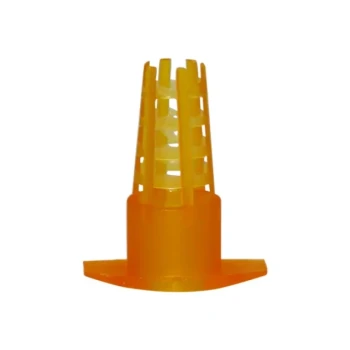
Plastic cups are engineered for standardization and durability. They offer uniform 8-9mm geometry, are easy to clean and disinfect, and resist deformation during handling. For massive industrial scale, these logistical benefits often outweigh biological optimization.
The Fragility of Natural Wax
Natural cups lack the physical resilience of plastic. They are susceptible to deformation during transport or grafting. However, for Apis cerana, the trade-off is clear: you sacrifice some mechanical durability to gain biological compliance and higher acceptance rates.
Sanitation Differences
Plastic cups are reusable and easy to sterilize. Natural wax cups are often single-use or require significant effort to prepare and attach to frames manually. This makes the workflow slower, but the investment of time yields a higher quality biological product.
Making the Right Choice for Your Goal
To optimize your Apis cerana queen rearing, align your material choice with your specific operational priorities:
- If your primary focus is Maximum Acceptance and Quality: Prioritize natural beeswax cups, as they trigger the strongest biological feeding response and yield the highest quality virgin queens.
- If your primary focus is High-Volume Logistics: Acknowledge that while plastic cups offer easier cleaning and durability, you will likely face lower acceptance rates and potentially lower royal jelly volumes with Apis cerana.
** ultimately, the biological sensitivity of Apis cerana dictates that natural materials remain the premium standard for high-performance queen production.**
Summary Table:
| Feature | Natural Beeswax Cups | Industrial Plastic Cups |
|---|---|---|
| Acceptance Rate | Significantly Higher (Natural Signatures) | Lower (Viewed as Foreign) |
| Royal Jelly Volume | Increased Secretion Stimulus | Standard/Lower Output |
| Queen Quality | Superior Morphological Traits | Standard Development |
| Biological Mimicry | High (Matches Bee Instincts) | Low (Artificial Surface) |
| Durability | Low (Susceptible to Deformation) | High (Standardized & Rigid) |
| Workflow | Labor-Intensive Preparation | Fast & Reusable |
Maximize Your Colony Potential with HONESTBEE
Are you looking to elevate your queen rearing results and boost apiary productivity? At HONESTBEE, we understand that biological success depends on the right tools. We cater specifically to commercial apiaries and distributors, offering a comprehensive wholesale range of professional beekeeping machinery, specialized hardware like hive-making and honey-filling machines, and essential industry consumables.
Whether you are scaling your honey production or supplying local beekeepers, our portfolio ensures you have the high-quality equipment needed for superior biological outcomes. Contact us today to explore our wholesale solutions and see how HONESTBEE can support your growth in the competitive beekeeping market!
References
- Joice J.I. Rompas, Ventje V. Memah. Development of Apis cerana District Extractor with innovation ofMachinery and Pest control in Kumelembuai Village. DOI: 10.20902/ijctr.2019.120619
This article is also based on technical information from HonestBee Knowledge Base .
Related Products
- Brown Nicot Queen Cell Cups for Breeding Queen Bees Beekeeping
- JZBZ Push-In Queen Cell Cups for Beekeeping
- Clear Black Plain Polystyrene Queen Bee Grafting Cell Cups No Lug for Bee Queen Cup
- JZBZ Type Wide Base Plastic Queen Cell Cups for Base Mounting and Queen Rearing
- Premium Nicot Style Cell Bar Holder and Queen Cell Cup Holder System
People Also Ask
- What role do specialized queen rearing tools play in developing mite-resistant honeybee stock? Master Genetic Selection
- What materials are used to make artificial queen cell cups for grafting? Beeswax vs. Plastic Guide
- What roles do specialized queen cell cups play in royal jelly production? Optimize Your Hive's Secretion and Yield
- How does the standardized depth of queen cell cups affect larval acceptance? Boost Success with 6mm Precision
- Why is a diluted royal jelly solution applied to queen cell cups? Boost Acceptance in Artificial Grafting