Queen protector cages are the fundamental firewall between a newly emerged queen and almost certain death.
These devices serve a dual purpose: they physically isolate the developing queen to prevent her from being destroyed by aggressive worker bees or rival queens, and they facilitate necessary human intervention. Without this barrier, the natural instinct for lethal combat between virgin queens would result in significant loss of genetic stock, while also making scientific study and commercial transport impossible.
The Core Insight In the hive, a queen's emergence triggers a "survival of the fittest" battle that is devastating for managed apiaries. Protector cages suspend this biological imperative, converting a chaotic battlefield into a controlled environment where high-value queens can be safely harvested, studied, and prepared for transport.
The Biological Necessity of Isolation
The primary driver for using protector cages is the aggressive biology of the hive.
Preventing Fatal Combat
The most immediate threat to a virgin queen is her own sisters. Multiple queens often emerge simultaneously, and their instinct is to engage in fatal combat until only one remains.
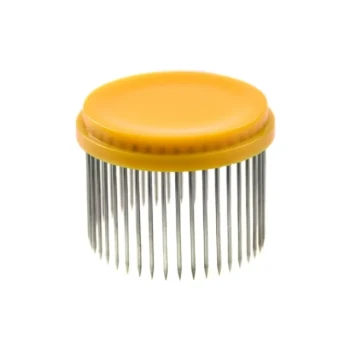
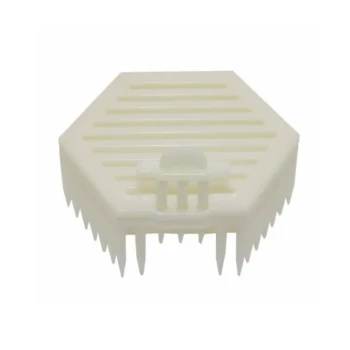
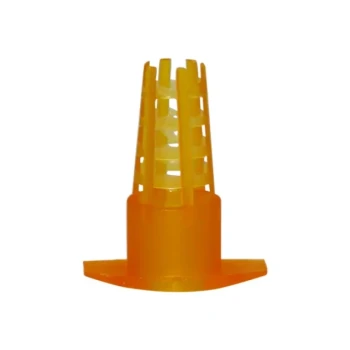
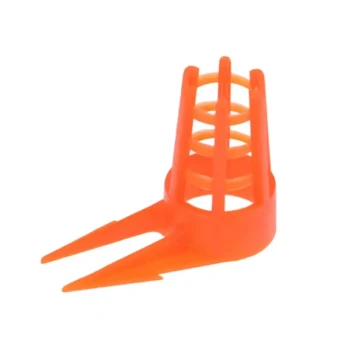
Protector cages, such as plastic hair roller cages, are placed over the cells before hatching. This physical barrier ensures that multiple queens can emerge in the same colony without killing one another, preserving the output of the breeding cycle.
Protection from Worker Aggression
It is not only other queens that pose a threat; worker bees can also be hostile.
Workers may destroy developing queen cells or attack a newly emerged queen if the colony conditions are not ideal. The cage acts as a shield, ensuring the queen reaches maturity without physical injury from the workforce.
Controlling Social Variables for Science
For research purposes, isolation is not just about safety; it is about data integrity.
The primary reference highlights that cages enable early social isolation. This is critical for scientific studies, particularly those regarding the queen's gut microbiota. By strictly controlling who the queen interacts with, researchers can isolate specific variables regarding social interaction and biological development.
Operational Efficiency and Management
Beyond survival, these cages are the tools that make commercial queen rearing and logistics feasible.
Facilitating Manual Handling
Handling a loose queen is risky and difficult. Cages transform the queen from a fragile insect into a manageable unit.
They allow technicians to collect, weigh, and mark queens efficiently. As noted in the supplementary data, tools like the queen insulator allow for complex tasks—such as disease prevention vaccinations—to be performed in a controlled, stress-free environment.
Ensuring Safe Transportation
Once the queen is harvested, she must be moved.
Specialized containers like JZsBZs-style cages, wooden Benton cages, and screened cardboard boxes provide a secure micro-environment. They prevent crushing injuries and maintain a stable climate. Crucially, they often include space for attendant workers and candy troughs, ensuring the queen maintains physiological homeostasis (proper nutrition and hygiene) during transit.
Improving Introduction Success
The cage plays a vital role when introducing a queen to a new colony.
It acts as a temporary buffer, allowing the queen’s pheromones to circulate among the workers before she is released. This gradual acclimation significantly reduces the chance of rejection, ensuring the new colony accepts her rather than attacking her as an intruder.
Understanding the Trade-offs
While cages are necessary, they impose artificial constraints that must be managed.
Risk of Nutritional Isolation
A completely solid cage cuts the queen off from the colony entirely.
To mitigate this, many cages (like hair rollers or mesh mailing cages) feature a mesh design. This allows nurse bees to feed and groom the queen through the screen, balancing physical protection with necessary biological support.
Stress Factors
Confinement is inherently stressful for the queen.
Prolonged caging without attendants or proper food (candy) can degrade the queen's reproductive vitality. The "micro-climate" mentioned in transportation references is fragile; if the cage design fails to provide adequate ventilation or prevents attendant care, the queen's future performance can be permanently compromised.
Making the Right Choice for Your Goal
The type of protection you employ should be dictated by your specific end-goal for the queen.
- If your primary focus is Commercial Production: Utilize mesh-style cages (like hair rollers) to maximize survival rates of multiple queens while allowing workers to feed them through the barrier.
- If your primary focus is Scientific Research: Use strict isolation cages to control environmental variables and social interactions, specifically for microbiota studies.
- If your primary focus is Colony Introduction: Ensure the cage allows for pheromone release and air circulation to facilitate a gradual, non-violent acceptance by the new hive.
The queen protector cage is not just a prison; it is a life-support system that bridges the gap between emergence and established reign.
Summary Table:
| Feature | Purpose | Key Benefit |
|---|---|---|
| Physical Isolation | Prevents lethal combat between rival virgin queens | Preserves high-value genetic stock and yields |
| Worker Shielding | Protects the queen from worker bee aggression | Ensures the queen reaches maturity without injury |
| Managed Handling | Simplifies marking, weighing, and vaccination | Reduces physical stress and risk during manual tasks |
| Pheromone Buffering | Allows colony acclimation during introduction | Significantly increases acceptance rates in new hives |
| Controlled Environment | Facilitates scientific study and microbiota research | Isolates variables for accurate biological data |
Maximize Your Apiary’s Success with HONESTBEE
At HONESTBEE, we understand that every queen bee represents the future of your colony. We provide commercial apiaries and distributors with high-quality queen protector cages, hair roller cages, and specialized transportation containers designed for survival and performance.
From advanced hive-making machinery to essential consumables and beekeeping tools, we offer a comprehensive wholesale portfolio to scale your operations. Protect your genetic investment and streamline your queen rearing today.
Contact HONESTBEE to get wholesale pricing and expert equipment advice
References
- J. Elijah Powell, Juliana Rangel. Modulation of the honey bee queen microbiota: Effects of early social contact. DOI: 10.1371/journal.pone.0200527
This article is also based on technical information from HonestBee Knowledge Base .
Related Products
- Professional Queen Cage with Sliding Gate and Feeder Plug
- Professional Bamboo Queen Isolation Cage
- Durable Galvanized Steel Spring Queen Bee Cage
- Professional Queen Bee Introduction and Transport Cage
- Plastic Queen Marking Tube Cage with Plunger for Beekeeping
People Also Ask
- Why are specialized queen bee cages used for the banking of mated queen bees? Maximize Commercial Apiary Storage Efficiency
- What is the mechanism of action for using temporary queen bee cages? Master Successful Queen Introduction
- How is a queen bee released from a queen cage? Ensure Safe Colony Integration & Hive Success
- What is the step-by-step process for installing a queen bee's cage onto a frame? Ensure Hive Acceptance Safely
- What technical precaution must be taken regarding the mesh or grill side of a queen bee cage? Ensure Queen Survival