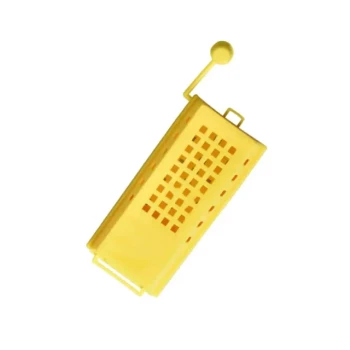
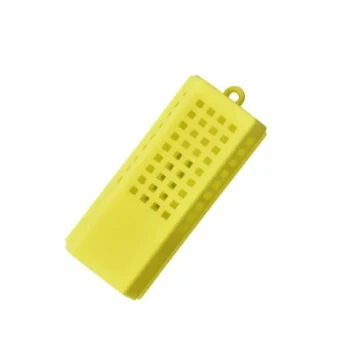
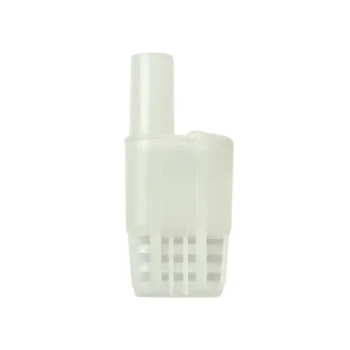
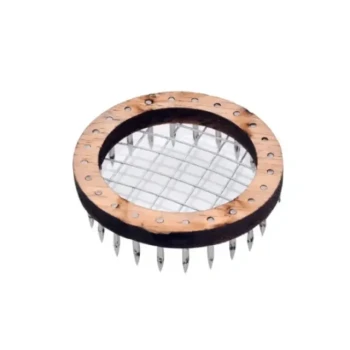
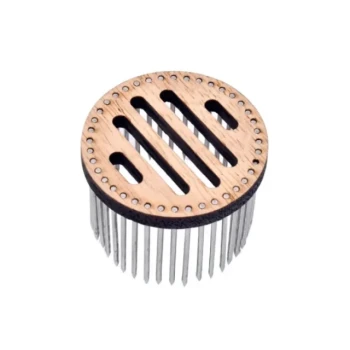
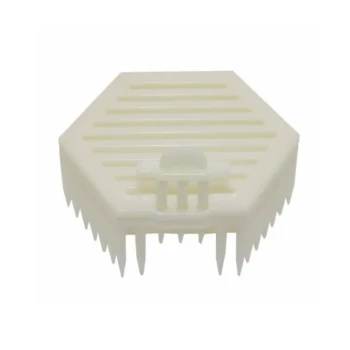
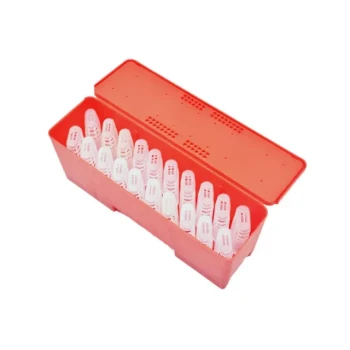
Using a Queen Cage is the definitive method for ensuring the survival of a new queen during introduction. While it is technically possible to introduce a queen from a Nucleus Hive directly along with her brood frames, using a cage provides a critical safety buffer. This isolation period minimizes the substantial risk of the existing worker bees attacking and killing the new queen before she is accepted.
Core Takeaway: Direct introduction carries a risk of immediate rejection and queen loss. Using a Queen Cage is the safest technical approach because it facilitates a gradual, protected merging of colony odors before physical contact is allowed.
The Biological Barrier to Acceptance
The Role of Colony Odor
Every honey bee colony possesses a distinct chemical signature or "odor." Worker bees rely on this scent to identify nestmates and detect intruders.
When a new queen is introduced, even from a functioning Nucleus Hive, her scent is foreign to the production colony. Without intervention, the workers’ natural defense instinct is often to ball (surround and overheat) or sting the new queen.
Facilitating Gradual Integration
The Queen Cage acts as a permeable barrier. It protects the queen physically while allowing air—and pheromones—to circulate freely between her and the colony.
This isolation period allows the specific odor of the new queen to merge with the scent of the production colony. By the time the physical barrier is removed, the chemical profile of the colony has adjusted to include her, significantly lowering the aggression response.
Procedure and Risk Management
The Isolation Timeline
The primary reference suggests an isolation period of roughly three to four days. This duration is generally sufficient for the colony's aggression levels to subside and for the pheromonal integration to take place.
Rushing this process by releasing the queen too early negates the benefits of the cage and reintroduces the risk of rejection.
The Manual Release Protocol
Unlike some methods that rely on bees eating through a candy plug immediately, the safest technical approach involves a manual release.
After the three to four-day acclimatization period, the beekeeper returns to the hive to release the queen. This allows for a final visual confirmation that the workers are not behaving aggressively toward the cage before the queen is set free.
Understanding the Trade-offs
Safety vs. Convenience
The primary trade-off in this operation is between procedural ease and asset security. Introducing the queen directly with her brood frames is faster and requires fewer visits to the hive.
However, skipping the cage exposes a valuable biological asset to lethal risk. The "cost" of the Queen Cage method is the requirement of a follow-up visit after several days to perform the manual release.
The Cost of Failure
If a direct introduction fails, the colony remains queenless, and the beekeeper loses the financial and time investment of the Nucleus Hive.
Therefore, the slight inconvenience of the cage method is technically justified as an insurance policy against total failure of the requeening operation.
Making the Right Choice for Your Goal
When performing a requeening operation, consider your tolerance for risk:
- If your primary focus is Asset Security: Use the Queen Cage method to guarantee the highest probability of acceptance and protect your investment.
- If your primary focus is Procedural Speed: You may attempt direct introduction with brood frames, but you must accept a significantly higher risk of the queen being killed.
The Queen Cage remains the most reliable tool for bridging the biological gap between a new queen and an established colony.
Summary Table:
| Feature | Queen Cage Method | Direct Introduction (Brood Frame) |
|---|---|---|
| Safety Level | High - Protects queen from aggressive balling | Low - High risk of immediate rejection |
| Integration | Gradual pheromone merging over 3-4 days | Immediate exposure to foreign colony scent |
| Time Req. | Requires a follow-up visit for manual release | Single visit; faster procedure |
| Best For | Commercial apiaries protecting valuable assets | Rapid operations with high risk tolerance |
Maximize Your Apiary Productivity with HONESTBEE
Successful requeening is the backbone of a thriving honey business. At HONESTBEE, we understand the technical precision required by commercial apiaries and distributors. We provide a comprehensive range of professional beekeeping tools, from high-security queen cages and hive-making machinery to advanced honey-filling equipment and essential consumables.
Whether you are scaling your operations or supplying the industry, our wholesale solutions are designed to minimize risk and maximize yield. Contact us today to discuss your bulk equipment needs and discover how our expertise can grow your business.
References
- Jamie Ellis. Using Nucs in Beekeeping Operations. DOI: 10.32473/edis-in869-2019
This article is also based on technical information from HonestBee Knowledge Base .
Related Products
- Durable Galvanized Steel Spring Queen Bee Cage
- Professional Queen Cage with Sliding Gate and Feeder Plug
- Classic Wooden and Mesh California Queen Cage
- Professional Queen Bee Introduction and Transport Cage
- Professional Multi-Functional Queen Bee Cage
People Also Ask
- Why are specialized queen bee cages used for the banking of mated queen bees? Maximize Commercial Apiary Storage Efficiency
- What is the mechanism of action for using temporary queen bee cages? Master Successful Queen Introduction
- What is the step-by-step process for installing a queen bee's cage onto a frame? Ensure Hive Acceptance Safely
- What is the optimal placement for a queen bee cage? Essential Strategies for Successful Re-queening
- What are the advantages and disadvantages of introducing a queen bee by embedding the cage? Boost Your Queen Acceptance