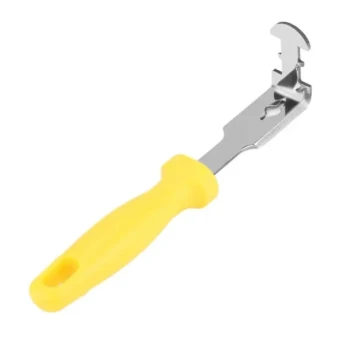
Soil treatment consumables are indispensable because they target the specific life stage of the Small Hive Beetle (SHB) that occurs entirely outside the hive: pupation. By applying specific agents to the ground surrounding the apiary, you create a chemical barrier that intercepts larvae as they enter the soil, effectively breaking the pest's reproductive chain without exposing the bees or honey to internal chemicals.
Core Takeaway While in-hive traps manage the adult population, soil treatments are the only defense against the next generation of pests. A truly comprehensive control system requires this external barrier to stop larvae from maturing and re-infesting the colony.
The Biological Target: Why the Soil Matters
Intercepting the Pupation Stage
The Small Hive Beetle life cycle cannot be contained entirely within the hive box. Larvae eventually leave the hive to burrow into the surrounding earth to pupate.
Soil treatments are essential because they target this vulnerability. They strike the pest when it is outside the protection of the hive structure, preventing the larvae from completing their metamorphosis.
Breaking the Reproductive Chain
The primary function of soil consumables is to halt reproduction. By killing the pupating larvae in the ground, you drastically reduce the number of new adults emerging to attack the colony.
This creates a break in the reproductive cycle. Without this step, even successful in-hive trapping allows a constant wave of new reinforcements to enter from the environment.
Safety and Hive Integrity
External Application Strategy
A major advantage of soil treatments is the location of application. The agents are applied to the ground, not the comb.
This ensures that the chemical barrier remains external. It isolates the control mechanism from the colony, reducing the risk of contaminating the honey or wax.
Preserving Bee Health
By managing the population outside the box, you minimize the need for harsh internal chemicals. This protects the bees from unnecessary exposure while maintaining the purity of hive products.
Creating a Comprehensive Control Network
Complementing In-Hive Defenses
A robust system uses two layers of defense. Inside the hive, traps and hygiene tools manage adult beetles and remove debris that beetles use for breeding.
Outside the hive, soil treatments manage the future population. As noted in the supplementary data, combining these methods creates a "comprehensive control network" that covers the beetle from the comb to the soil.
Closing the Loop
In-hive traps exploit the photophobic behavior of adults seeking refuge, while soil treatments utilize insecticides or beneficial nematodes to hunt larvae.
Using one without the other leaves a gap in your defense. Soil treatments close the loop, ensuring that larvae escaping the hive do not survive to return as adults.
Understanding the Trade-offs
Delayed Gratification
Soil treatments are preventative, not reactive. They will not kill the adult beetles currently inside your hive destroying the honeycomb.
They are an investment in the future health of the apiary. You must accept that immediate relief requires internal traps, while soil treatments secure long-term stability.
Environmental Dependencies
The effectiveness of soil consumables depends on the condition of the ground. Factors such as soil moisture and composition can influence how well the chemical barrier holds.
Consistent application is required to maintain the barrier. Unlike a physical trap, the soil treatment is a consumable that must be replenished to remain active against new waves of larvae.
Making the Right Choice for Your Goal
To build an effective defense, you must match the tool to the specific threat level you are facing.
- If your primary focus is immediate colony relief: Deploy in-hive physical traps to remove adult beetles currently harassing the bees and hiding in the bottom board.
- If your primary focus is long-term population control: Apply soil treatments to the ground around the hive to prevent escaping larvae from maturing into new adults.
- If your primary focus is honey purity: Rely on soil treatments and physical hygiene tools to manage pests without placing chemicals directly onto the comb.
By integrating soil treatments, you move from simple pest reaction to proactive apiary management.
Summary Table:
| Feature | In-Hive Traps | Soil Treatment Consumables |
|---|---|---|
| Primary Target | Adult Beetles | Larvae (Pupation stage) |
| Location | Internal (Frames/Bottom board) | External (Ground surrounding hive) |
| Core Benefit | Immediate relief for the colony | Breaks the reproductive cycle |
| Honey Safety | Higher risk of exposure | Minimal risk; external application |
| System Role | Reactive management | Proactive population control |
Elevate Your Beekeeping Operations with HONESTBEE
At HONESTBEE, we specialize in empowering commercial apiaries and distributors with professional-grade solutions. Whether you need specialized hive-making and honey-filling machinery or a steady supply of essential industry consumables like soil treatments, we provide the full spectrum of equipment to secure your business.
Our Value to You:
- Comprehensive Wholesale Offering: A one-stop shop for all beekeeping tools and hardware.
- Industry Expertise: Tailored products designed for large-scale efficiency and long-term pest management.
- Global Supply Chain: Reliable sourcing for honey-themed cultural merchandise and specialized machinery.
Don't let pests compromise your honey purity or hive productivity. Contact us today to explore our wholesale catalog and expert solutions!
References
- Peter Neumann, Patti J. Elzen. The biology of the small hive beetle (<i>Aethina tumida</i>, Coleoptera: Nitidulidae): Gaps in our knowledge of an invasive species. DOI: 10.1051/apido:2004010
This article is also based on technical information from HonestBee Knowledge Base .
Related Products
- Removable Washable Hive Beetle Trap Attractants for Small Hive Beetles
- Reusable Aluminium Beetle Trap for Small Hive Beetles Silver Bullet
- Reusable Clear Small Hive Beetle Traps for Beehives Beetle Trapping Tools
- Adjustable Formic and Acetic Acid Dispenser for Bee Mite Treatment
- Plastic Beetle Blaster Trap Beekeeping Tools and Supplies
People Also Ask
- How should powdered substances be used in beetle traps for hive beetle control? Expert Guide for Maximum Colony Protection
- What are the three main types of hive beetle traps? Expert Solutions for Protecting Your Bee Colonies
- What are the types of hive beetle traps available? Master Your Beetle Control Strategy
- What are the main types of hive beetle traps available? A Beekeeper's Guide to Effective Control
- What are the available chemical-free options for trapping hive beetles? Safe and Effective Pest Management Solutions