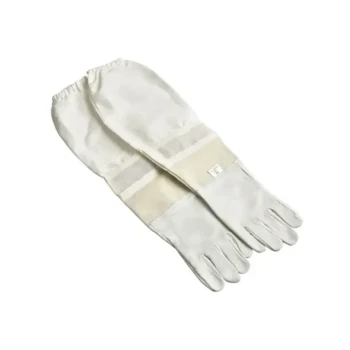
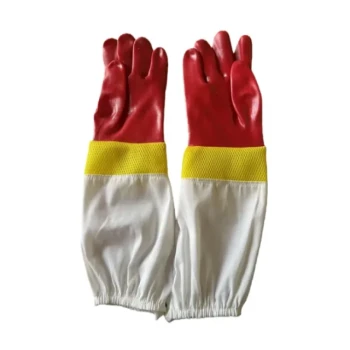
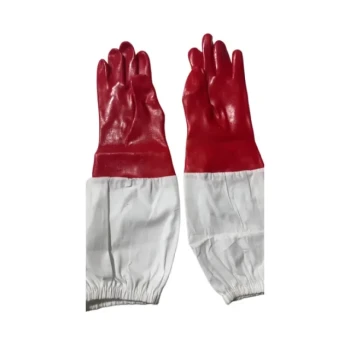
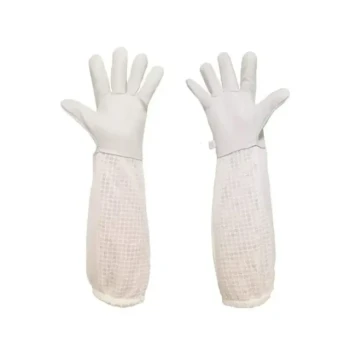
Specialized protective gloves are the critical interface between the beekeeper and the colony, serving as a mandatory safety barrier for professional management. They are engineered to provide a specific balance: puncture-resistant materials prevent stings, while specialized construction maintains the manual dexterity required to manipulate hives without harming the bees.
Core Insight While the obvious function of protective gloves is preventing injury to the human, their deeper value lies in protecting the hive. By removing the operator's fear of stings, these gloves enable the calm, precise, and fine-motor movements necessary to inspect a colony without crushing the queen or inducing hive-wide panic.
The Mechanics of Safe Handling
Preserving Manual Dexterity
Standard work gloves often lack the tactile sensitivity required for apiary work. Specialized beekeeping gloves are designed to allow fine-scale operations, such as lifting heavy honeycomb frames or isolating a queen bee.
This dexterity is vital for checking frame density and handling delicate comb structures. Without this tactile feedback, an operator risks clumsiness that can damage the hive infrastructure or crush worker bees.
Protecting Key Colony Assets
The primary risk of poor dexterity is not just frustration, but the accidental killing of the queen bee. Specialized gloves allow the user to feel the frame edges securely, minimizing the risk of rolling or pinching bees during inspections.
The Impact on Operator Behavior
Reducing Anxiety and Panic
The presence of a reliable physical barrier significantly reduces operator anxiety. When a beekeeper is confident they will not be stung, they avoid the "flinch response" associated with defensive bee behavior.
Facilitating Calm Management
A calm operator moves deliberately and gently. This composure is essential because bees react aggressively to fast, jerky movements. By ensuring human safety, the gloves indirectly lower colony stress levels and reduce bee mortality caused by aggressive defensive swarming.
Enabling Professional Standards
Increasing Inspection Frequency
Advanced management techniques require frequent and thorough health monitoring. If an operator fears injury, they are less likely to perform these inspections as often as necessary.
Supporting Advanced Techniques
Reliable protection is a prerequisite for implementing professional harvesting processes and pest control measures. These complex tasks often require longer periods of exposure to the open hive, which is only sustainable with high-specification protective gear.
Understanding the Trade-offs
While specialized gloves are essential, they introduce a compromise between protection and sensitivity.
The "Numbness" Factor
Even the best specialized gloves reduce tactile sensation compared to bare hands. Thicker leather offers maximum protection against aggressive strains but can make handling small tools or catching queens more difficult.
Hygiene Considerations
Gloves are porous and can harbor pathogens. Unlike bare hands, which can be easily sanitized between hives, specialized gloves (especially leather ones) can become vectors for cross-contamination if not cleaned or rotated properly.
Making the Right Choice for Your Goal
Select your protective gear based on the specific demands of your apiary operations:
- If your primary focus is precision breeding or queen rearing: Prioritize thinner, latex or nitrile-dipped specialized gloves to maximize tactile feedback, accepting a slightly higher risk of stings for better motor control.
- If your primary focus is commercial harvesting or aggressive colonies: Prioritize thick, puncture-resistant leather gauntlets to ensure total immunity to stings, allowing for faster work speeds without interruption.
True professional protection is not just about shielding skin; it is about granting you the confidence to work with the gentleness your bees require.
Summary Table:
| Feature | Purpose | Benefit for Apiary Management |
|---|---|---|
| Puncture Resistance | Prevents bee stings | Reduces operator anxiety and prevents the "flinch response." |
| High Dexterity | Enables fine motor control | Safely handles frames and queens without crushing bees. |
| Extended Gauntlets | Protects wrists and forearms | Allows for deeper hive inspections and handling aggressive colonies. |
| Tactile Sensitivity | Provides sensory feedback | Facilitates delicate tasks like queen rearing and pest monitoring. |
Elevate Your Apiary Operations with HONESTBEE
At HONESTBEE, we understand that professional beekeeping requires the perfect balance of protection and precision. As a premier partner for commercial apiaries and distributors, we offer a comprehensive wholesale range of high-specification beekeeping tools, machinery, and essential consumables.
Whether you need specialized hardware like hive-making and honey-filling machines or high-quality protective gear designed for efficiency, our portfolio is built to scale your business. Empower your team with the confidence to work calmly and productively.
Contact HONESTBEE Today to Discuss Your Wholesale Needs
References
- Emmanuel Bintaayi Jeil, Michael Adjaloo. Livelihood security along beekeeping value chain: lessons from Ghana’s beekeeping experience. DOI: 10.1007/s10708-019-09982-4
This article is also based on technical information from HonestBee Knowledge Base .
Related Products
- Goatskin Leather Beekeeper Gloves with Vent Long Sleeve for Beekeeping Honey Bee Sting Proof Protection
- Beekeeping Gloves Goatskin Leather with Long Cotton Sleeve for Beekeepers
- Heavy Duty Red Rubber Beekeeping Gloves with Vented Mesh Cotton Sleeves
- Goat Skin Leather Bee Sting Proof Beekeeping Gloves with Canvas Sleeve
- Heavy Duty Red Rubber Beekeeping Gloves with Extended Pure Cotton Sleeves for Beekeepers
People Also Ask
- What are the characteristics of goatskin beekeeping gloves? Enhance Dexterity and Protection in Your Apiary
- Why is it important to have gloves available even if not always worn? Essential Risk Management for Beekeepers
- What are the primary purposes of using beekeeping gloves? Protect Your Hands and Ensure Apiary Hygiene
- Why do some experienced beekeepers opt not to wear gloves? Discover the Benefits of Tactile Precision
- Why is it important for beekeepers to wear gloves? Essential Safety and Confidence for Hive Management