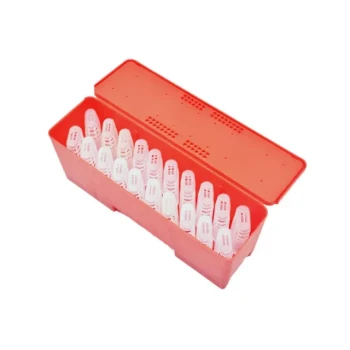
Specialized sealed mailing bags are mandatory for bee brood sampling because they serve as a critical dual-function system: ensuring biosecurity and preserving sample quality. These bags isolate cut sections of the brood to prevent the cross-contamination of highly infectious pathogens during transport while simultaneously locking in the moisture required for accurate laboratory diagnostics.
The use of specialized mailing bags is a non-negotiable protocol for biosecurity and data accuracy. They act as a primary shield that prevents the escape of infectious diseases like American Foulbrood during transit while maintaining the specific environmental conditions necessary for valid test results.
The Dual Role of the Sampling Container
To understand why these specific bags are required, you must look beyond simple storage. They are engineered to solve two distinct problems that arise when moving biological material from the apiary to the laboratory.
Establishing a Biosecurity Barrier
The primary function of the sealed bag is containment. When you cut a section of brood for analysis, you are potentially handling highly infectious material.
Pathogens such as American Foulbrood or Chalkbrood are transmissible and resilient.
Without a specialized sealed container, these pathogens could escape into the transport environment. This risks cross-contamination, potentially infecting other samples or spreading the disease outside the sampling area.
Preserving Sample Moisture for Analysis
The second function is the preservation of the specimen's physical state. Laboratory detection methods rely on specific biological markers that can degrade if the sample dries out.
The sealed bag creates a micro-environment that maintains the necessary moisture balance.
If a sample loses its moisture content during transit, it becomes difficult or impossible for the laboratory to process it accurately. Keeping the brood section moist ensures the tissue remains viable for testing.
Risks of Improper Packaging
While the requirement for specialized bags may seem bureaucratic, it is a technical safeguard against common failure points in disease diagnosis.
The Risk of False Negatives
Using porous or unsealed containers allows moisture to evaporate rapidly.
A dried-out sample often leads to inconclusive results. This forces the beekeeper to repeat the sampling process, delaying diagnosis and allowing the disease to progress unchecked in the hive.
The Danger of Pathogen Leakage
Standard envelopes or unapproved bags do not offer the same seal integrity.
If a sample leaks, it poses a biological hazard to postal workers and laboratory staff. Furthermore, leakage compromises the chain of custody, as the sample may become contaminated by external factors during shipping.
Making the Right Choice for Your Goal
When preparing your samples, your choice of packaging directly dictates the reliability of your results.
- If your primary focus is Biosecurity: Ensure the bag is completely sealed to prevent the accidental spread of pathogens like American Foulbrood to other equipment or locations.
- If your primary focus is Diagnostic Accuracy: Prioritize the immediate sealing of the cut brood section to lock in moisture, ensuring the lab receives a viable specimen.
Correctly packaging your sample is the single most effective step you can take to ensure a fast and accurate diagnosis.
Summary Table:
| Feature | Purpose | Benefit |
|---|---|---|
| Airtight Seal | Prevents pathogen escape | Ensures biosecurity during transit |
| Moisture Retention | Prevents sample dehydration | Maintains tissue viability for lab testing |
| Contamination Barrier | Isolates biological material | Eliminates risk of cross-contamination |
| Durable Material | Resists leakage and tears | Protects postal and laboratory personnel |
Secure Your Apiary’s Health with Professional Equipment from HONESTBEE
Protect your commercial operations and ensure precise disease diagnosis with high-quality sampling and beekeeping tools. HONESTBEE specializes in serving commercial apiaries and distributors with a comprehensive range of wholesale solutions. From essential consumables like specialized sampling containers to industrial-grade hive-making and honey-filling machinery, we provide the tools you need to maintain peak efficiency and biosecurity.
Whether you are scaling your distribution network or managing large-scale honey production, our expert team is ready to support your growth with reliable, professional-grade equipment.
Ready to upgrade your beekeeping operations? Contact us today to explore our full wholesale catalog!
References
- Desta Gemedi. Status of Honeybee Apismellifera Bandansii Pests and Pathogens in Seka Chokersa District of Jimma Zone, Ethiopia. DOI: 10.20431/2349-0365.0512003
This article is also based on technical information from HonestBee Knowledge Base .
Related Products
- Plastic Transporting Bee Packages and Nuc Boxes for Beekeeping
- Australian Langstroth Beehive Boxes for Beekeeping Wholesales
- Langstroth Honey Bee Box Hive Boxes for Different Depths
- Professional 600D Oxford Cloth Beekeeping Tool Bag with 8 Pockets and Elastic Loops
- JZBZ Style Professional Battery Box with 20 Shipping Cages
People Also Ask
- What role do bee package boxes play in the commercial transport and expansion of honeybee colonies? - Logistic Essentials
- What are beekeeping boxes called? A Guide to Hive Bodies and Box Types
- How do standardized bee packages serve as a recovery mechanism for commercial beekeeping? Ensure Business Continuity
- What is the commercial value of using standardized bee packages? Drive Scalability in Large-Scale Apiaries
- Why is the timely introduction of high-quality bee packages critical? Save Your Apiary from Asian Hornet Invasions