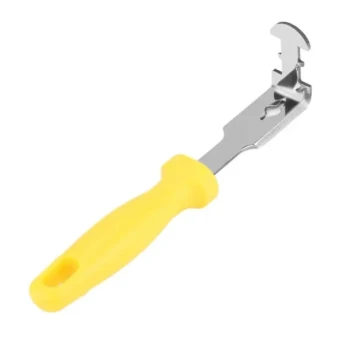
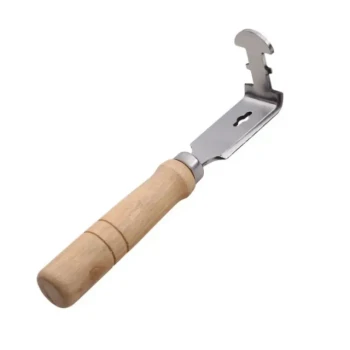
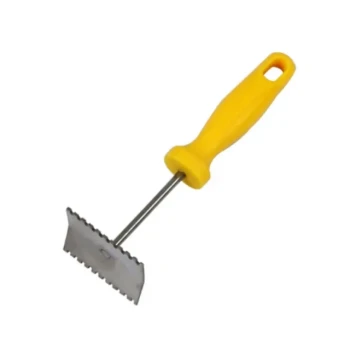
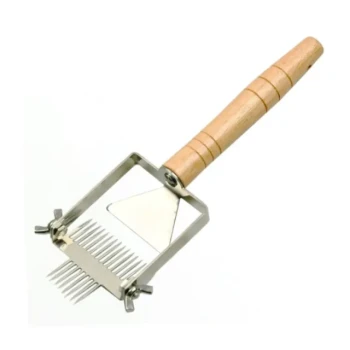
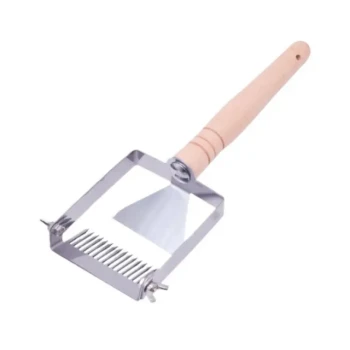
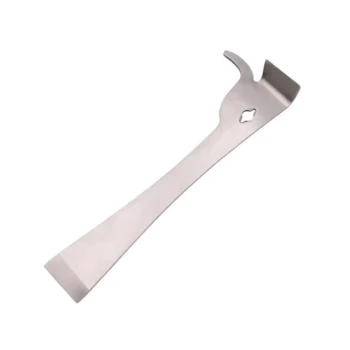
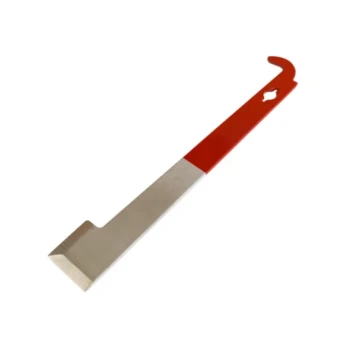
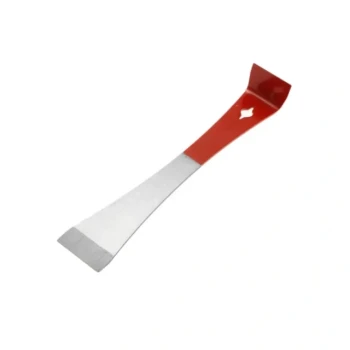
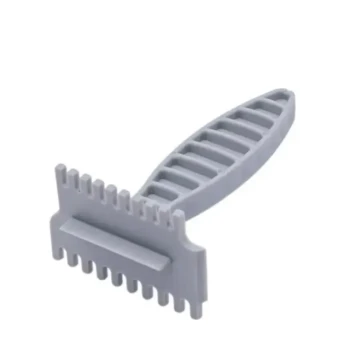
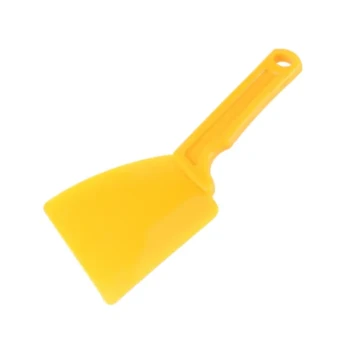
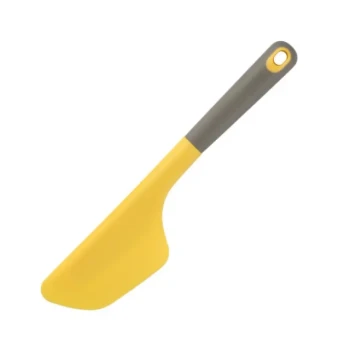
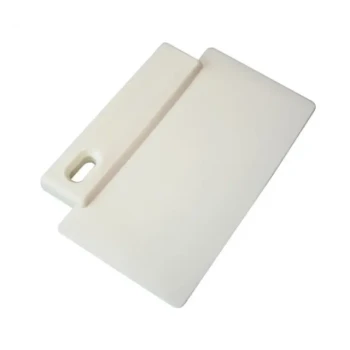
Specialized stainless steel scrapers and clean containers are critical for maintaining the chemical and physical integrity of raw propolis during harvest. These tools allow for the precise mechanical separation of hard, viscous resin without damaging the hive or introducing organic contaminants like wood chips, while clean containers prevent environmental pollutants from compromising downstream biological activity analysis.
The use of chemically inert, mechanically precise tools is the fundamental requirement for harvesting propolis that is pure enough for scientific analysis and medicinal product manufacturing.
Preserving Material Purity and Hive Structure
Precision Without Destruction
Propolis is a highly viscous and hard substance that adheres tightly to frames. Specialized scrapers are designed with specific angles and hardness to remove this resin efficiently.
Eliminating Organic Contaminants
A standard or makeshift tool lacks the necessary edge precision and risks gouging the wooden frames. This introduces wood chips and splinters into the raw material, creating organic impurities that are difficult to remove later.
Protecting the Honeycomb
The specialized design of these scrapers ensures that the removal process does not damage the delicate honeycomb structure. This preservation allows for the complete harvesting of the material while maintaining the hive's viability for future production.
Ensuring Chemical Stability for Analysis
The Value of Chemical Inertness
Stainless steel is utilized specifically for its chemical inertness. Unlike softer or reactive metals, it ensures that no metal impurities or ions are introduced into the propolis during the high-friction scraping process.
Preventing Cross-Contamination
Stainless steel features a dense, non-porous surface that allows for thorough cleaning. This is essential for preventing cross-contamination between different beehive samples, which ensures that mineral composition analyses remain accurate and specific to each colony.
Safeguarding Bioactive Potential
Using clean, contaminant-free collection trays is the first line of defense against environmental factors. Keeping the sample pure from the moment of collection is vital to prevent interference with biological activity analysis, ensuring the reliability of data regarding the propolis's medicinal properties.
Common Pitfalls to Avoid
The Risk of Improper Tool Materials
Using carbon steel or iron tools can lead to oxidation and rust contamination. This degrades the sample quality immediately, rendering it unsuitable for high-value applications like dietary supplements or tinctures.
Ignoring Surface Contamination
Even if the scraper is high-quality, placing the harvested resin into a non-sterile or previously used container negates the effort. Residual chemicals or organic matter in a dirty container will interact with the raw propolis, potentially altering its enzymatic or chemical profile.
Making the Right Choice for Your Goal
To maximize the quality of your harvest, align your equipment choices with your end objectives:
- If your primary focus is scientific analysis: Prioritize the use of medical-grade stainless steel tools to ensure zero heavy metal leaching or cross-sample contamination.
- If your primary focus is commercial production: Focus on scraper ergonomics and durability to maximize harvest volume without compromising the structural integrity of the hive frames.
The quality of the final propolis product is determined the moment the tool touches the hive; precision equipment is not a luxury, but a necessity for purity.
Summary Table:
| Essential Tool | Key Function | Impact on Propolis Quality |
|---|---|---|
| Stainless Steel Scraper | Precision resin removal | Prevents wood chip contamination and eliminates metal oxidation risks. |
| Clean Containers | Sterile initial storage | Protects chemical stability and prevents cross-contamination between hives. |
| Inert Materials | Chemical neutrality | Safeguards bioactive compounds for high-value medicinal and supplement use. |
| Ergonomic Design | Hive preservation | Allows for complete harvesting without damaging the delicate honeycomb structure. |
Maximize Your Harvest Quality with HONESTBEE Professional Equipment
Maintaining the purity of propolis requires more than just skill—it requires precision engineering. HONESTBEE caters to commercial apiaries and distributors with a comprehensive wholesale offering designed to elevate your production standards.
We supply the full spectrum of beekeeping tools, machinery, and equipment, including:
- Specialized Hardware: High-precision scrapers, hive-making machines, and honey-filling systems.
- Industry Consumables: A wide array of essential supplies for large-scale operations.
- Custom Solutions: From specialized machinery to honey-themed cultural merchandise.
Ensure your apiary delivers the highest quality raw materials for the medicinal and supplement markets. Contact HONESTBEE today to explore our wholesale solutions and discover how our expertise can enhance your operational efficiency!
References
- Weam Siheri, David G. Watson. Chemical and Antimicrobial Profiling of Propolis from Different Regions within Libya. DOI: 10.1371/journal.pone.0155355
This article is also based on technical information from HonestBee Knowledge Base .
Related Products
- Heavy Duty Stainless Steel Frame Cleaner with Plastic Handle
- Professional Stainless Steel Frame Cleaner with Ergonomic Wood Handle
- Stainless Steel Pollen Shovel with Wooden Handle
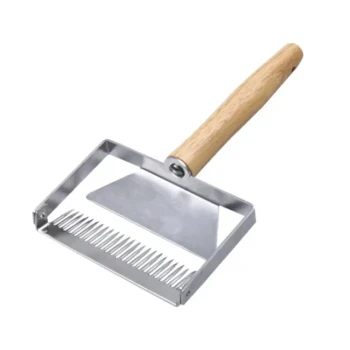
- Extra Wide Stainless Steel Honey Uncapping Fork with Scraper Beekeeping Tool
- Stainless Steel Scraper for Metal Queen Bee Excluders
People Also Ask
- What tools are used for cleaning frames? A Beekeeper's Simple 4-Tool Guide
- What are the physical characteristics of the frame cleaning tool? Durable Wood Design for Effective Hive Maintenance
- What is the purpose of the frame cleaning tool? A Precision Tool for Efficient Frame Maintenance
- In what specific situation is the frame cleaning tool particularly useful? Master Cut Comb Maintenance
- What is the function of the frame cleaning tool in beekeeping? Streamline Your Apiary Hygiene and Maintenance