Sticky boards serve as a precise, non-invasive diagnostic tool necessary for quantifying the natural population dynamics of Varroa destructor within a honey bee colony. By placing an adhesive surface at the bottom of a hive, breeders can capture falling mites to calculate the average daily mite drop, which acts as a direct proxy for the infestation level and the colony's inherent ability to suppress the parasite.
Core Takeaway In resistance breeding programs, sticky boards are essential because they provide a continuous, quantitative record of natural mite drop without disrupting the colony. This data allows breeders to accurately identify and retain genetic lines that exhibit superior hygienic behavior or tolerance, reducing long-term reliance on chemical treatments.
The Mechanics of Resistance Monitoring
Capturing Natural Mite Drop
Sticky boards utilize a physical adhesive surface specifically designed to capture mites that naturally fall off host bees.
This method relies on gravity and the natural grooming behavior of the bees, ensuring that the count reflects the ongoing mite population dynamics rather than a singular, induced event.
Calculating Infection Rates
Technicians place these boards at the bottom of a hive for a specific, standardized period.
By counting the captured mites, they calculate the average daily mite drop. This metric provides a consistent baseline for comparing infestation levels across different colonies.
Why They Are Critical for Breeding Programs
Non-Invasive Detection
Unlike some detection methods that may require sacrificing bees or disrupting the hive structure, sticky boards are non-invasive.
This allows breeders to monitor valuable genetic lines continuously without inducing stress or negatively impacting the colony's health during the assessment period.
Identifying Natural Suppression
The primary goal of a resistance breeding program is to identify bee genetic lines that can naturally suppress parasite populations.
A low natural mite drop on a sticky board—relative to other colonies in the same environment—is a strong indicator of resistance traits, such as hygienic behavior or physiological tolerance.
Screening and Selection
Data derived from sticky boards allows for the quantitative screening of colonies.
Breeders use this information to eliminate colonies with poor resistance and retain lineages that maintain low mite levels, ensuring the propagation of healthy, propolis-producing colonies.
Balancing Monitoring with Intervention
The Role of Chemical Treatments
While sticky boards identify resistant genetics, they do not kill the parasites.
Supplementary measures, such as the use of standardized application equipment and acaricides, are sometimes necessary for immediate sanitary control and to ensure the synchronized delivery of treatments across a region.
Avoiding Re-infestation
Monitoring must be paired with an understanding of the surrounding environment.
Even a resistant colony can be overwhelmed if neighboring untreated sites cause re-infestation; therefore, collective pest control remains a critical sanitary measure alongside genetic screening.
Making the Right Choice for Your Goal
To effectively utilize sticky boards in your breeding program, align your data analysis with your specific objectives:
- If your primary focus is Genetic Selection: Prioritize colonies that consistently show low average daily mite drops over time, as this indicates inherent hygienic behavior or tolerance.
- If your primary focus is Colony Culling: Use the quantitative data to set strict thresholds; colonies exceeding acceptable mite drop rates should be eliminated from the breeding pool to prevent the propagation of poor resistance traits.
By rigorously applying these monitoring principles, you ensure the development of robust bee lineages that can thrive with minimal chemical intervention.
Summary Table:
| Feature | Benefit for Breeding Programs |
|---|---|
| Non-Invasive | Monitors colonies without disrupting hive health or sacrificing bees. |
| Quantitative Data | Calculates average daily mite drop for precise comparison between lineages. |
| Trait Identification | Highlights colonies with superior hygienic behavior and natural suppression. |
| Genetic Screening | Enables data-driven selection of resistant lines and culling of vulnerable ones. |
| Trend Monitoring | Provides a continuous record of mite dynamics over a standardized period. |
Elevate Your Breeding Program with Professional Equipment
Identifying resistant genetic lines is the first step toward a chemical-free future in beekeeping. At HONESTBEE, we empower commercial apiaries and distributors with the specialized tools needed to manage and scale these critical operations.
From honey-filling and hive-making machinery for your production lines to a comprehensive range of wholesale beekeeping tools and essential consumables, we provide the hardware necessary to support your honey-themed business and colony health initiatives.
Ready to optimize your apiary's efficiency? Contact us today to explore our wholesale solutions and discover how our expertise can strengthen your distribution network.
References
- Ségolène Maucourt, Pierre Giovenazzo. Genetic Parameters of Honey Bee Colonies Traits in a Canadian Selection Program. DOI: 10.3390/insects11090587
This article is also based on technical information from HonestBee Knowledge Base .
Related Products
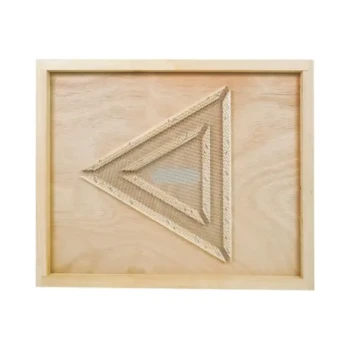
- HONESTBEE Wooden Bee Escape Board with Triangle Mesh Design for Beekeeping
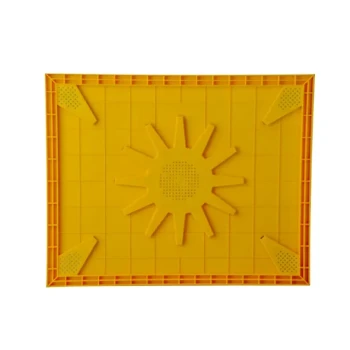
- HONESTBEE Multi Exit Plastic Bee Escape Board for Efficient Honey Harvesting
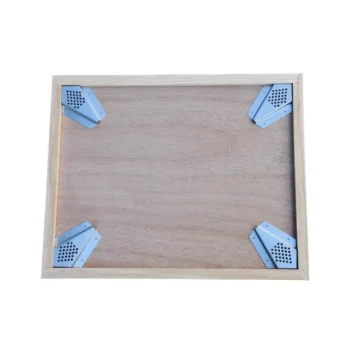
- HONESTBEE 4-Way Metal Corner Wooden Bee Escape Board
- Langstroth Solid Bottom Board for Beekeeping
- Solid Bottom Board Australian Pine Wood Langstroth Bottom Board for Wholesale
People Also Ask
- How is a bee escape board used to clear a hive body for honey harvesting? Optimize Your Chemical-Free Harvest
- What is a bee escape board and what problem does it solve? Simplify Your Honey Harvest with Passive Clearing
- How is a bee escape board used and how does it function? Master This Gentle Honey Harvesting Tool
- What are the proper steps for using a bee escape board for honey harvesting? Master the Passive Clearing Technique
- What tools and methods are used to clear honey bees from honey supers? Efficient Harvesting for Commercial Beekeepers