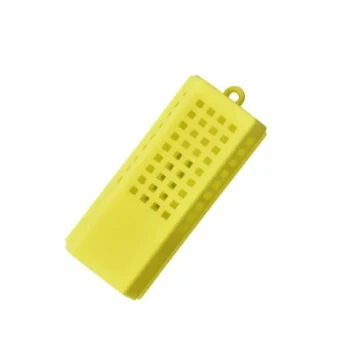
Wax-coated plastic queen cups serve as a crucial hybrid solution in commercial beekeeping, bridging the gap between biological needs and industrial efficiency. By coating a rigid plastic base with molten beeswax, beekeepers simulate the texture and environment of a natural hive, which significantly increases the rate at which nurse bees accept grafted larvae.
The Core Insight While plastic provides the durability and standardization required for mass production, it is the beeswax coating that triggers the natural rearing impulse in the colony. This combination ensures larvae receive essential royal jelly while protecting them during the handling required for large-scale operations.
The Biological Imperative: Acceptance and Feeding
Simulating the Natural Environment
The primary challenge in artificial queen rearing is convincing the colony to accept a foreign object. Plastic cups alone may feel alien to the hive. Coating them in beeswax mimics the physical characteristics of natural comb, tricking the nurse bees into perceiving the cup as an organic part of the hive structure.
Triggering the Feeding Impulse
Acceptance is not passive; it requires active care. The natural texture provided by the wax encourages nurse bees to secrete royal jelly. This intensive feeding is the biological signal that directs an ordinary worker larva to differentiate into a queen bee.
The Commercial Necessity: Standardization and Durability
Consistency at Scale
Unlike handmade wax cups, which can vary in shape, plastic cups offer consistent geometric dimensions (typically 8-9mm). This standardization provides a uniform space for larvae to grow and ensures that every cell fits perfectly into grafting frames, facilitating mass batch operations.
Protection Against Mechanical Damage
Commercial rearing involves significant handling, transport, and manipulation of frames. Plastic cups provide a rigid, durable shield around the delicate larvae. This superior physical strength prevents deformation and crushing, ensuring the developing queens survive the mechanical stress of the workflow.
Efficiency and Reusability
High-quality plastic cups are designed for repeated use. They are easy to clean and sanitize after a cycle is complete. This reusability significantly improves the efficiency of the workflow compared to traditional wax cups, which are often single-use or fragile.
Understanding the Trade-offs
The Maintenance Requirement
While durable, plastic cups require rigorous sanitation protocols between uses. Failure to properly clean and disinfect reusable cups can lead to the spread of pathogens between colonies, a risk less prevalent with single-use wax cups.
The Coating Step
The plastic cup is not a "ready-to-go" solution straight out of the mold for optimal results. Beekeepers must invest time in the wax-dipping process. Without this additional preparation step, the acceptance rates of the plastic cups can drop, negating the efficiency gains of the material.
Making the Right Choice for Your Goal
To maximize the success of your queen rearing operation, align your equipment choice with your specific objectives:
- If your primary focus is maximizing acceptance rates: Ensure your plastic cups are freshly coated with clean molten beeswax to fully engage the nurse bees' rearing impulse.
- If your primary focus is operational efficiency: Utilize the rigidity of the plastic cups to streamline grafting, transport, and frame loading without fear of damaging the cells.
- If your primary focus is cost-effectiveness: Implement a strict cleaning and sanitation cycle to extend the lifespan of your plastic cups for multiple seasons.
By leveraging the strength of plastic and the biological signaling of wax, you create a scalable system that works with the bees, rather than against them.
Summary Table:
| Feature | Traditional Wax Cups | Standard Plastic Cups | Wax-Coated Plastic Cups |
|---|---|---|---|
| Bee Acceptance Rate | High | Low/Moderate | High |
| Durability/Rigidity | Low (Fragile) | High | High |
| Geometric Consistency | Variable | Uniform (8-9mm) | Uniform (8-9mm) |
| Protection for Larvae | Low | High | High |
| Reusability | Single-use | High | High (requires re-coating) |
Maximize Your Colony’s Potential with HONESTBEE
For commercial apiaries and distributors, the right equipment is the difference between a successful season and a lost harvest. HONESTBEE specializes in providing the full spectrum of high-performance beekeeping tools, machinery, and essential consumables designed for scale.
Whether you need precision queen rearing supplies, industrial honey-filling machines, or durable hive-making hardware, we deliver wholesale solutions that combine biological sensitivity with mechanical efficiency. Partner with us to streamline your operations and provide your customers with the best in modern beekeeping technology.
Contact HONESTBEE today for a wholesale quote and expert guidance!
References
- Juliana Rangel, David R. Tarpy. In-Hive Miticides and their Effect on Queen Supersedure and Colony Growth in the Honey Bee (Apis mellifera). DOI: 10.4172/2161-0525.1000377
This article is also based on technical information from HonestBee Knowledge Base .
Related Products
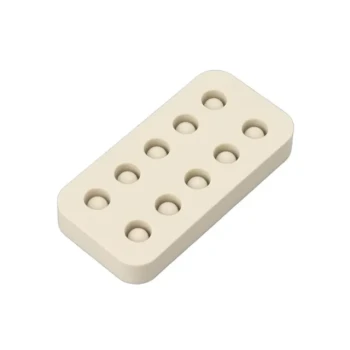
- 10-Cell Silicone Beeswax Bee Queen Cups Forming Mold
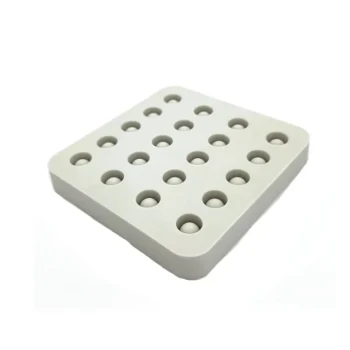
- High-Efficiency 20-Cell Silicone Mold for Beeswax Bee Queen Cup Production
- JZBZ Type Wide Base Plastic Queen Cell Cups for Base Mounting and Queen Rearing
- Clear Black Plain Polystyrene Queen Bee Grafting Cell Cups No Lug for Bee Queen Cup
- Brown Nicot Queen Cell Cups for Breeding Queen Bees Beekeeping
People Also Ask
- How do beeswax queen cell cups function? Optimize Queen Rearing with Biological Mimicry
- What is the biological function of beeswax queen cell cups? Boost Acceptance in Artificial Queen Rearing
- What role do specialized queen rearing tools play in developing mite-resistant honeybee stock? Master Genetic Selection
- What materials are used to make artificial queen cell cups for grafting? Beeswax vs. Plastic Guide
- What roles do specialized queen cell cups play in royal jelly production? Optimize Your Hive's Secretion and Yield