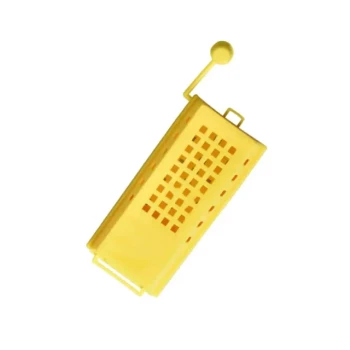
Standardized plastic queen cell cups are the cornerstone of modern commercial queen rearing because they prioritize operational efficiency and mechanical consistency over traditional methods. In large-scale operations, these cups serve as a uniform, reusable foundation that snaps directly onto rearing frames, allowing apiarists to streamline the labor-intensive processes of grafting, nursing, and harvesting.
The Bottom Line: Plastic cups transform queen rearing from a variable artisanal craft into a scalable industrial process. While they may require preparation to match the biological acceptance of wax, their durability and uniformity make them indispensable for maintaining high-volume production lines.
The Mechanics of Mass Production
Streamlining Batch Operations
In a commercial setting, speed and volume are critical. Plastic cups are engineered to snap easily onto standardized cell bars, enabling beekeepers to assemble grafting frames rapidly.
This modularity facilitates batch processing, where hundreds of larvae can be grafted, transferred to starter colonies, and harvested in a synchronized workflow. This contrasts sharply with traditional wax methods, which often require delicate handling and lack robust mounting mechanisms.
Ensuring Structural Uniformity
Plastic cups provide a guaranteed geometric standard. Unlike hand-dipped wax cups, which can vary in thickness or shape, plastic components offer a consistent "physical foundation" for every larva.
This design ensures that every developing queen is vertically suspended in the exact same orientation. This alignment is crucial for triggering the worker bees' instinct to deposit optimal amounts of royal jelly, ensuring the larvae develop into viable queens.
Integration with Modern Equipment
Standardized cups are designed to function as part of a larger system. They integrate seamlessly with grafting tools, protective cages, and incubator frames.
This interoperability allows for precise management and observation. When it is time to move the queen cell to a mating nuc or an incubator, the plastic cup serves as a durable handle, protecting the fragile cell from physical damage during transfer.
Economic and Maintenance Advantages
Durability and Reusability
One of the primary drivers for adopting plastic is cost-efficiency over time. Plastic cups are highly durable and can be reused for multiple seasons.
Sanitation and Disease Control
Because they are non-porous and heat-resistant, plastic cups are easy to clean and sterilize. This capability is vital for large-scale breeders who must maintain disease-resistant genetics. Thorough cleaning prevents the transmission of pathogens between batches, a process that is far more difficult with porous beeswax components.
Understanding the Trade-offs
The Acceptance Rate Challenge
It is critical to acknowledge that bees naturally prefer beeswax. Plastic is a foreign material; consequently, the initial acceptance rate of larvae grafted into plastic cups can be lower than those in natural wax cups.
Quality Considerations
Research indicates that natural wax cups can sometimes yield virgin queens with slightly better morphological characteristics. Beekeepers using plastic often mitigate this by coating the cups in a thin layer of wax or royal jelly to mimic the natural nesting environment.
In mass production, the slight dip in acceptance is viewed as an acceptable compromise for the massive gains in workflow efficiency and reduced labor costs.
Making the Right Choice for Your Operation
For most apiarists, the choice between plastic and wax depends entirely on the scale of production and the specific goals of the breeding program.
- If your primary focus is Commercial Scalability: Use standardized plastic cups to maximize workflow speed, ensure equipment compatibility, and reduce long-term consumable costs.
- If your primary focus is Maximum Acceptance: Use natural beeswax cups to mimic the hive environment perfectly, ensuring the highest possible success rate for small batches of high-value queens.
Efficiency in queen rearing is not just about speed; it is about establishing a predictable, repeatable process that guarantees a steady supply of genetics.
Summary Table:
| Feature | Plastic Queen Cell Cups | Natural Wax Cups |
|---|---|---|
| Production Speed | High (Modular/Snap-on) | Low (Hand-dipped/Manual) |
| Uniformity | Precise geometric standard | Variable thickness/shape |
| Durability | High (Reusable for seasons) | Low (Single-use/Fragile) |
| Sanitation | Easy to sterilize/Non-porous | Difficult (Porous material) |
| Acceptance Rate | Requires prep (wax coating) | Naturally high acceptance |
| Cost Efficiency | High for large-scale | Low for large-scale |
Scale Your Queen Rearing with HONESTBEE Precision Equipment
Maximize your commercial apiary's potential with HONESTBEE. As a premier partner for distributors and large-scale operations, we provide a complete spectrum of professional beekeeping tools—from standardized cell cups and protective cages to advanced hive-making and honey-filling machinery.
Our comprehensive wholesale solutions are designed to transform your production into a repeatable, high-yield industrial process while maintaining the highest genetic standards.
Ready to optimize your workflow? Contact HONESTBEE Today to access our full portfolio of industrial beekeeping hardware and essential consumables.
References
- Miriam Bixby, M. Marta Guarna. Honey Bee Queen Production: Canadian Costing Case Study and Profitability Analysis. DOI: 10.1093/jee/toaa102
This article is also based on technical information from HonestBee Knowledge Base .
Related Products
- JZBZ Type Wide Base Plastic Queen Cell Cups for Base Mounting and Queen Rearing
- Clear Black Plain Polystyrene Queen Bee Grafting Cell Cups No Lug for Bee Queen Cup
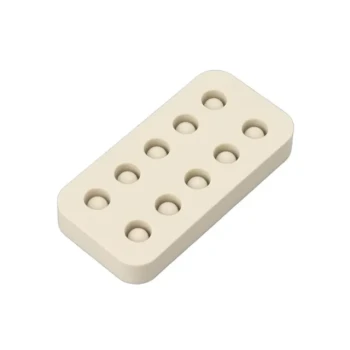
- 10-Cell Silicone Beeswax Bee Queen Cups Forming Mold
- Brown Nicot Queen Cell Cups for Breeding Queen Bees Beekeeping
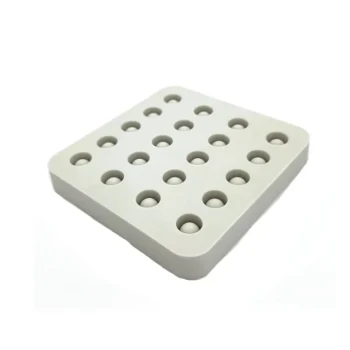
- High-Efficiency 20-Cell Silicone Mold for Beeswax Bee Queen Cup Production
People Also Ask
- What is the primary function of commercial plastic queen cell cups? Driving Efficiency in Mass Queen Rearing
- What are the primary advantages of using plastic queen cell cups? The Industrial Choice for High-Efficiency Apiaries
- What technical advantages do commercial plastic queen cell cups offer? Scale Your Queen Rearing for Maximum Efficiency
- What is the function of standardized plastic Queen Cell Cups? Boost Efficiency in Commercial Larval Grafting
- Why are standardized plastic queen cell cups preferred? Boost Commercial Queen Rearing Efficiency