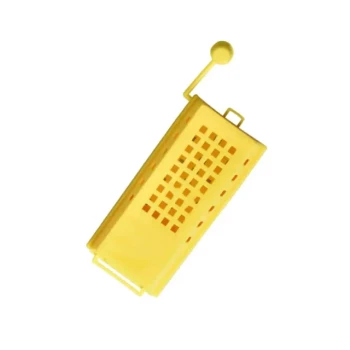
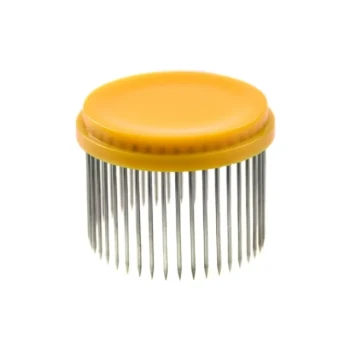
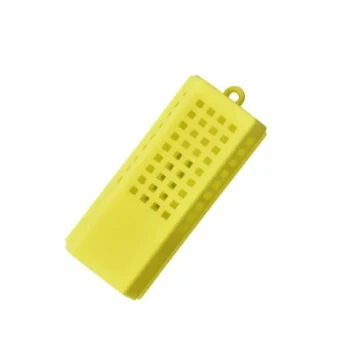
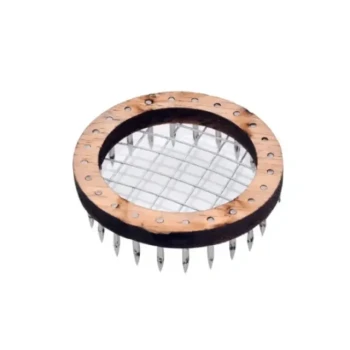
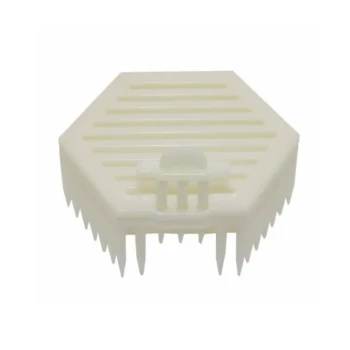
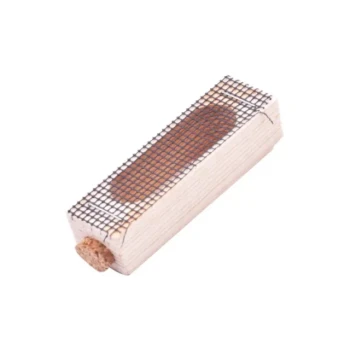
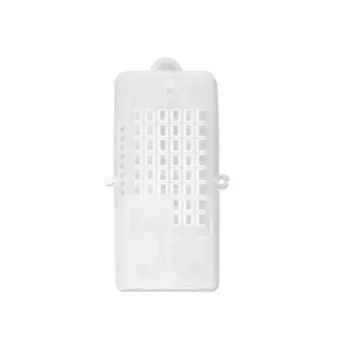
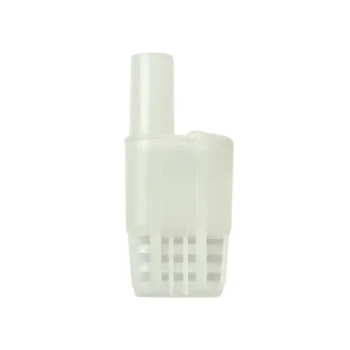
The primary purpose of using queen cages with sugar plugs is to act as a time-delayed release mechanism that ensures colony acceptance. When swapping queens, the cage provides immediate physical isolation to protect the new queen from aggressive worker bees. The sugar plug forces a delay, requiring workers to eat through the candy barrier, which gives the colony time to acclimate to the new queen's pheromones before direct physical contact occurs.
The sugar plug serves as an automatic timer for biological integration. It converts a potentially hostile encounter into a gradual transition, ensuring the new queen's scent permeates the hive before the physical barrier is removed.
The Mechanics of Successful Queen Introduction
Physical Protection from Aggression
Colonies possess strong "exclusion instincts" regarding intruders. Without a barrier, a new queen introduced directly into a hive faces a high risk of immediate attack and balling (killing) by the resident workers.
The cage serves as a temporary bunker. It physically separates the queen from the workers, preventing them from harming her during the initial moments of highest hostility.
Pheromone Acclimatization
Success in beekeeping often relies on chemical signaling. The new queen must establish her scent within the colony to be recognized as the legitimate ruler.
The mesh or openings in the cage allow the queen's pheromones to gradually permeate the hive environment. This allows the workers to "smell" and accept her authority without being able to touch her.
The Function of the Sugar Plug
The sugar plug is the dynamic component of the cage. It is not merely food; it is a pacing tool.
Worker bees must chew through this sugar barrier to reach the queen. This consumption process takes time—usually a few days—which coincides with the time needed for the colony to adapt to the new chemical signals.
Understanding the Trade-offs
Safety vs. Speed
The use of a sugar-plugged cage prioritizes the safety of the queen over the speed of egg production.
You are deliberately delaying the queen's release. While this slows down the start of her laying cycle by a few days, it drastically reduces the likelihood of the colony rejecting or killing her.
Reliance on Colony Activity
The mechanism relies on the workers' appetite and activity levels to release the queen.
If the plug is too hard or the colony is listless, the release may be delayed longer than intended. Conversely, if the plug is too soft, the release may happen before pheromone acclimatization is complete.
Making the Right Choice for Your Goal
To ensure a successful transition, consider how the cage aligns with your specific objectives for the hive.
- If your primary focus is maximum acceptance rates: Utilize the sugar plug mechanism to enforce a mandatory "ceasefire" period, allowing pheromones to stabilize before contact.
- If your primary focus is colony stability: Prioritize the physical isolation aspect of the cage to prevent the chaos of an immediate exclusion response from the worker bees.
The sugar plug is the bridge that safely connects the isolation phase to the integration phase.
Summary Table:
| Feature | Function | Benefit to Colony Integration |
|---|---|---|
| Physical Cage | Immediate Isolation | Protects the new queen from worker aggression and "balling." |
| Mesh/Openings | Scent Diffusion | Allows queen pheromones to permeate the hive for chemical acceptance. |
| Sugar Plug | Time-Delayed Release | Acts as a biological timer, forcing a gradual 2-3 day transition. |
| Manual Delay | Managed Pacing | Prioritizes queen safety and long-term hive stability over speed. |
Maximize Your Apiary Success with HONESTBEE
Successful queen introduction is just the beginning of a productive season. At HONESTBEE, we specialize in supporting commercial apiaries and distributors with high-quality, professional-grade beekeeping solutions.
Whether you need precision queen rearing equipment, industrial honey-filling machines, or durable beekeeping tools and consumables, our comprehensive wholesale portfolio is designed to enhance your operational efficiency and hive health. From specialized hardware to honey-themed merchandise, we provide the tools you need to scale your business.
Ready to elevate your beekeeping operation? Contact us today to explore our wholesale offerings and discover how our expertise can drive your success.
References
- Juliusz Galiński. Beekeepers' beecomings and the agency of a bee. DOI: 10.23858/ep66.2022.3061
This article is also based on technical information from HonestBee Knowledge Base .
Related Products
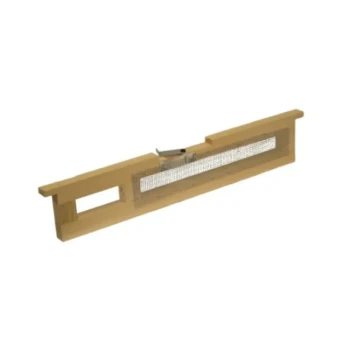
- Professional Queen Cage with Sliding Gate and Feeder Plug
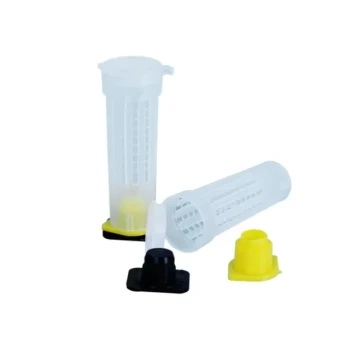
- Plastic Queen Marking Tube Cage with Plunger for Beekeeping
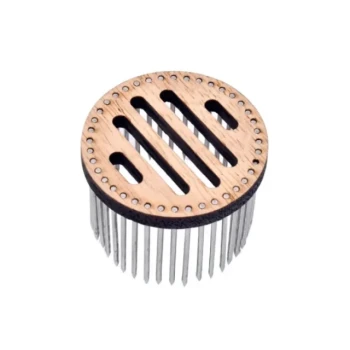
- Professional Round Push-In Queen Cage with Metal Tines
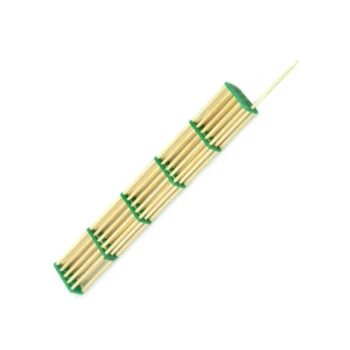
- Professional Multi-Compartment Queen Cage with Sliding Lid
- Durable Galvanized Steel Spring Queen Bee Cage
People Also Ask
- Why are specialized queen bee cages used for the banking of mated queen bees? Maximize Commercial Apiary Storage Efficiency
- What is the mechanism of action for using temporary queen bee cages? Master Successful Queen Introduction
- How is a queen bee released from a queen cage? Ensure Safe Colony Integration & Hive Success
- What is the step-by-step process for installing a queen bee's cage onto a frame? Ensure Hive Acceptance Safely
- What technical precaution must be taken regarding the mesh or grill side of a queen bee cage? Ensure Queen Survival