Commercial beekeepers utilize nine-frame spacing in standard ten-frame equipment to optimize both operational efficiency and honey production. By intentionally increasing the gap between frames, they encourage bees to build deeper honeycomb cells while simultaneously creating the necessary room to manipulate hive components without injuring the colony.
The Core Insight Placing nine frames in a ten-frame box is a strategic trade-off that sacrifices raw surface area for accessible volume. This configuration forces bees to build "fat" combs that are easier to uncap for extraction, while the added maneuverability significantly reduces the risk of killing the queen during inspections.
Optimizing for Honey Extraction
Encouraging Thicker Combs
When frames are spaced further apart, bees naturally extend the depth of the honeycomb cells to maintain the correct "bee space" between combs. This results in thicker, heavier combs that hold more honey per frame relative to the amount of wax used.
Streamlining Mechanized Processing
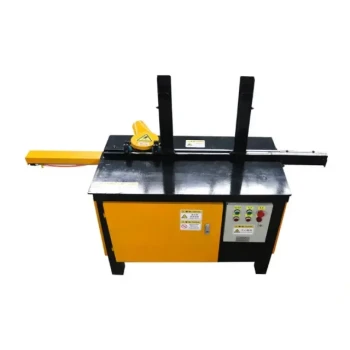
Thicker combs are a distinct advantage for commercial extraction machinery. Because the honeycomb protrudes well past the wooden edges of the frame, automated uncapping machines can slice off the wax cappings cleanly and efficiently.
Reducing Frame Handling
By using nine frames instead of ten, a commercial operation handles 10% fewer frames for the same volume of space. Over thousands of hives, this reduction in equipment handling translates to significant labor savings during the harvest.
Improving Inspection and Colony Health
Preventing Bee Injury
Standard ten-frame configurations are often extremely tight, creating friction when frames are removed. The extra room provided by nine-frame spacing allows beekeepers to lift frames easily without crushing bees between the side bars.
Protecting the Queen
In the brood box, the risk of "rolling" the queen—crushing her between combs during removal—is a major concern. Nine-frame spacing allows the beekeeper to slide the first frame into the empty space before lifting, ensuring the queen is not harmed by friction against an adjacent frame.
Enhancing Speed and Workflow
Commercial beekeeping relies on speed and repetition. The ability to manipulate frames without struggling to pry apart tightly packed components significantly reduces the time required for routine hive checks.
Understanding the Trade-offs
The Cut-Comb Exception
While nine frames are superior for extracted liquid honey, this setup is detrimental for cut-comb honey production. If you plan to sell the comb itself, you should utilize the full ten frames to ensure the comb remains thin and delicate.
Surface Area vs. Volume
Ten-frame spacing yields more total square inches of comb surface. For cut-comb producers, this maximizes the number of cut squares available and ensures the product is easy to slice cleanly, which is difficult with the thick, uneven comb produced by nine-frame spacing.
Thermal Management Options
In brood boxes, the space gained by removing a frame can be utilized for follower boards (dummy boards). These inserts provide insulation, helping the colony cluster efficiently in winter and preventing the brood nest from overheating in summer, which may help reduce swarming.
Making the Right Choice for Your Goal
Deciding between nine or ten frames depends entirely on your end product and management style.
- If your primary focus is extracted liquid honey: Use nine frames to encourage bees to draw out thick combs that are easy to uncap and process mechanically.
- If your primary focus is cut-comb honey: Use ten frames to force bees to build thin, uniform combs that are easy to cut and pleasant to eat.
- If your primary focus is brood management: Use nine frames (or follower boards) to improve inspection speed and minimize the risk of accidentally killing the queen.
For most general beekeepers, the operational ease of nine-frame spacing outweighs the slight reduction in total comb surface area.
Summary Table:
| Feature | 9-Frame Configuration | 10-Frame Configuration |
|---|---|---|
| Comb Depth | Thicker, "fat" combs | Standard, thin combs |
| Extraction Ease | Optimized for mechanical uncapping | Harder to uncap mechanically |
| Labor Efficiency | 10% less frame handling | Standard frame handling |
| Queen Safety | Low risk (more maneuverability) | High risk (tight space) |
| Ideal Use Case | Extracted liquid honey production | Cut-comb honey production |
| Brood Management | Faster inspections; less bee injury | Slower; frames often stuck together |
Scaling Your Commercial Apiary?
At HONESTBEE, we understand that in large-scale honey production, efficiency is everything. Whether you are optimizing your hives with nine-frame spacing or managing thousands of colonies, we provide the industrial-grade tools to support your growth.
Why partner with HONESTBEE?
- Comprehensive Wholesale Offering: From hive-making machinery to honey-filling lines, we supply everything a commercial operation needs.
- Precision Beekeeping Tools: High-quality hardware and essential consumables designed for durability and speed.
- Market Growth: We support distributors and commercial beekeepers with honey-themed cultural merchandise to expand your brand's reach.
Ready to enhance your operation's efficiency and output? Contact us today to discuss our wholesale solutions and machinery customized for your apiary's success!
References
- Daniel Leonard Rankin Cook, Caroline Hauxwell. Perspectives on Pollination. DOI: 10.2139/ssrn.3964582
This article is also based on technical information from HonestBee Knowledge Base .
Related Products
- Assembled Wooden Bee Frames with Plastic Foundation for Durability and Convenience by HONESTBEE
- Assembled Wooden Bee Frames with Beeswax Foundation Ready to Use by HONESTBEE
- Plastic Bee Frame Beekeeping Hive Frames for Wholesale
- HONESTBEE Wired and Assembled Wooden Bee Frames Foundation for a Thriving Hive
- Wooden Bee Hive Frames for Beekeeping and Wholesale
People Also Ask
- When should frames with new foundation be given to colonies? Master Timing for a Thriving Hive
- Can beekeepers switch between wooden and plastic frames? Optimize Your Hive's Performance
- What are bee frames and how are they sized? A Professional Guide to Standardization & Material Choice
- What types of bee frames can be cleaned and returned to service? A Guide to Safe Apiary Refurbishment
- Do you have to wire bee frames? Essential Guide to Frame Strength & Honey Harvesting