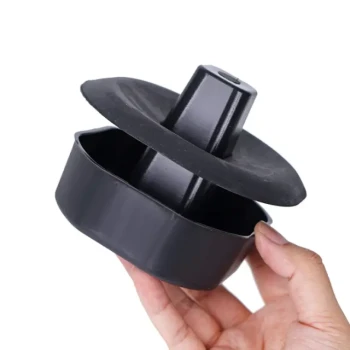
Pest defense tools function as essential stress mitigation systems for honey bee colonies. Attacks from natural enemies are a primary driver of heightened aggression; when these threats are neutralized by physical barriers like ant-proof fences and predator-resistant bases, the colony no longer needs to maintain a state of high defensive alert. By removing the external pressure applied by predators, these tools allow the bees to maintain a naturally calmer temperament.
Constant predation creates a cycle of chronic stress and hyper-vigilance within a hive. Mechanical defense tools break this cycle by preventing the initial attack, thereby eliminating the biological trigger for defensive behavior.
The Relationship Between Predation and Aggression
The Impact of External Pressure
Honey bees are reactive organisms. When a colony is subjected to frequent attacks from natural enemies, the bees enter a state of stress-induced defensive readiness.
This heightened state is not temporary; chronic pressure forces the colony to remain aggressive to survive. Without intervention, this defensiveness becomes the colony's default behavior, even during non-threatening situations.
Specific Threat Vectors
The primary reference highlights specific predators, such as honey badgers and ants, as significant stressors.
These pests do not just steal resources; their intrusion triggers a violent defensive response from the guard bees. This interaction spikes the colony's overall aggression levels, making them dangerous to handle long after the predator has left.
How Physical Barriers Alter Colony Behavior
Eliminating the Stress Trigger
Tools such as ant-proof fences and predator-resistant hive bases act as a preventative shield.
By physically blocking the predator, the tools ensure that the stressful interaction never occurs. If the bees do not perceive a threat, they do not release the alarm signals that incite the rest of the colony to attack.
Facilitating Routine Operations
When external pressure is reduced, the colony maintains a calmer temperament.
This reduction in daily aggression directly benefits the beekeeper. As noted in technical observations, colonies protected from pests are significantly easier to manage, allowing for smoother and safer honey harvesting operations.
Understanding the Limitations
Physical Barriers Are Not a Cure-All
While these tools effectively lower environmentally induced aggression, they cannot alter the genetic temperament of the queen or her offspring.
If a colony is genetically predisposed to extreme aggression, removing pests will help, but it will not turn them into a docile breed.
Maintenance is Critical
A predator-resistant base or fence is only effective as long as it is intact.
If these tools fall into disrepair, predators will breach the perimeter. The sudden reintroduction of stress after a period of calm can lead to an unpredictable and severe spike in defensive behavior.
Making the Right Choice for Your Apiary
To effectively manage colony temperament, you must align your equipment choices with your management goals.
- If your primary focus is safety during harvest: Install predator-resistant bases to lower the baseline aggression of the hive, reducing the risk of stinging incidents during inspections.
- If your primary focus is colony stability: Utilize ant-proof fences to prevent micro-stressors that keep the colony in a state of low-level, chronic agitation.
By mechanically excluding natural enemies, you allow the colony to focus on production rather than protection.
Summary Table:
| Pest Defense Tool | Targeted Stressor | Impact on Bee Behavior | Benefit to Beekeeper |
|---|---|---|---|
| Ant-Proof Fences | Crawling insects/Ants | Prevents chronic micro-stressors | Stable colony temperament |
| Predator-Resistant Bases | Honey badgers/Large pests | Eliminates high-alert defense triggers | Safer hive inspections |
| Physical Barriers | External intrusions | Reduces alarm pheromone release | Easier honey harvesting |
| Mechanical Shields | Predatory pressure | Breaks the cycle of hyper-vigilance | Enhanced colony productivity |
Maximize Your Apiary Productivity with HONESTBEE
High aggression levels shouldn't hinder your honey production. At HONESTBEE, we specialize in empowering commercial apiaries and distributors with professional-grade solutions. From predator-resistant hive-making machinery to comprehensive beekeeping tool sets, we provide the hardware and consumables needed to maintain calm, productive colonies.
Whether you are scaling your commercial operations or stocking a distribution network, our wholesale portfolio offers everything from honey-filling machines to specialized hardware. Contact us today to discover how our industry-leading equipment can lower your management risks and elevate your business efficiency.
References
- Amssalu Bezabeh, Emana Getu. Temperament of Ethiopian honeybees. DOI: 10.30574/ijsra.2023.8.2.0229
This article is also based on technical information from HonestBee Knowledge Base .
Related Products
- Professional Ant-Proof Beehive Stand with Integrated Moat for Beekeeping
- Metal Hive Feet Bee Hive Stand for Ant Protection
People Also Ask
- What physical protection advantages do individual hive stands provide against Small Hive Beetles? Secure Your Apiary
- Why are specialized ant-proof stands necessary for Africanized honeybee apiaries? Prevent Absconding in Semi-Arid Regions
- Why are specialized beehive stands or protective barriers necessary for pest management in apiaries? Secure Your Colony
- What are the benefits of elevating a bee hive with a stand or base? Protect Your Colony and Your Back
- What to stand a beehive on? The Best Foundation for a Healthy, Manageable Apiary