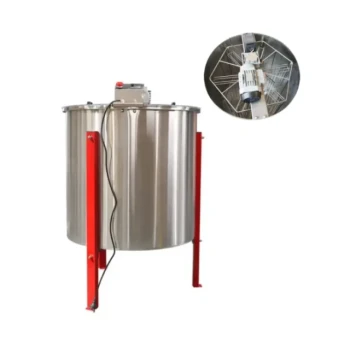
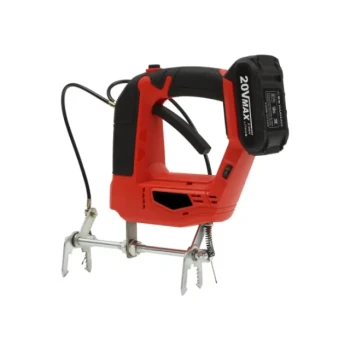
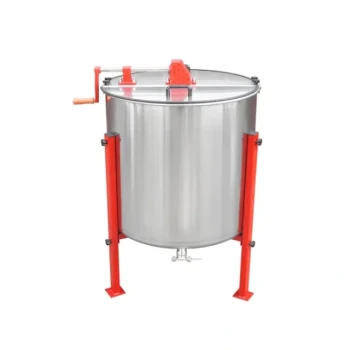
The specialized nature of stingless bee honey collection and storage is dictated by its unique chemical composition and the fragile architecture of the hive. Unlike traditional honeybee honey, stingless bee honey has a high natural moisture content (30-40%) and is stored in resinous "cerumen pots" rather than hexagonal combs, making conventional centrifugal extraction impossible and potentially destructive.
Specialized equipment is a technical necessity to preserve the live microbial activity and high acidity of stingless bee honey while ensuring a non-destructive harvest that maintains colony productivity and commercial honey purity.
The Structural Challenge: Cerumen Pots vs. Honeycombs
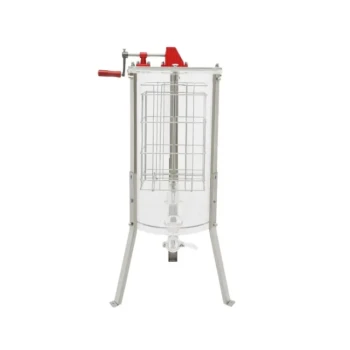
Limitations of Centrifugal Extraction
Traditional honeybees store honey in open hexagonal wax cells that can be spun in a centrifuge to extract the liquid. Stingless bees, however, build individual, sealed pots made of cerumen—a complex mixture of beeswax and plant resins. Because these pots are irregularly shaped and structurally integrated, they cannot be processed using standard extraction machinery without destroying the hive's internal architecture.
Precision Suction Technology
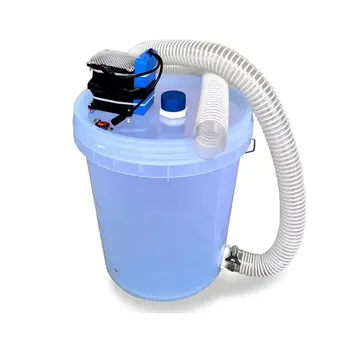
To harvest honey without harming the colony, professionals utilize negative pressure suction pumps or high-precision injectable tools. These devices allow for the targeted extraction of honey from individual pots while leaving the core brood structure and larvae untouched. This precision is vital for maintaining the hive’s health and ensuring the honey remains free from larval debris or external contaminants.
Accelerating Production Cycles
Non-destructive harvesting significantly reduces the "repair time" required by the bee colony after a collection. By preserving the integrity of the cerumen pots, the bees can immediately return to nectar collection rather than spending weeks rebuilding the hive. For distributors, this translates to shorter production intervals and a more consistent, scalable supply chain.
The Chemical Challenge: Moisture and Microbial Stability
Managing High Natural Moisture
Stingless bee honey typically contains 30-40% water, nearly double that of traditional honey. At these levels, traditional honey would spoil; however, stingless bee honey remains stable through active microbial fermentation. Specialized storage and dehydration equipment are required to manage these moisture levels and prevent uncontrolled spoilage while preserving the honey's unique medicinal profile.
Handling High Acidity and Bioactivity
Because of its unique fermentation process, this honey is highly acidic and contains live beneficial microbes. Specialized storage containers and collection pumps must be constructed from materials that resist corrosion from high acidity and do not interfere with the honey’s antimicrobial properties. Maintaining this biological activity is essential for the product to retain its "superfood" status and premium market value.
Temperature-Controlled Processing
To ensure commercial stability for global export, specialized dehydration equipment is often used in temperature-controlled environments. This allows for the regulation of moisture content without applying excessive heat, which would otherwise destroy the delicate enzymes and bioactive compounds that define the product's medicinal value.
Understanding the Trade-offs
Technical Complexity vs. Product Purity
While specialized vacuum equipment ensures the highest purity, it requires a higher initial capital investment and technical expertise to operate compared to traditional methods. Distributors must balance the cost of these systems against the significantly higher market price and demand for "pure-source" medicinal honey.
Maintenance and Sanitization Requirements
Specialized pumps and suction devices require rigorous cleaning protocols to prevent cross-contamination between harvests. Failure to maintain these tools can lead to the introduction of unwanted yeasts, which can cause the honey to ferment excessively and burst standard retail packaging.
Maximizing Value in Your Sourcing Strategy
How to Apply This to Your Distribution Business
Selecting the right equipment and harvesting partners is critical for maintaining a high-quality product portfolio and ensuring long-term supply stability.
- If your primary focus is Scalability and Volume: Prioritize sourcing from producers who utilize modified split-type hives and automated suction systems to minimize colony downtime and maximize yield per harvest.
- If your primary focus is Premium Medicinal Value: Ensure your suppliers use low-temperature dehydration and specialized non-reactive storage to preserve the honey's live enzymes and antimicrobial properties.
- If your primary focus is Supply Chain Reliability: Partner with wholesalers who offer comprehensive sourcing and rapid fulfillment, backed by technical expertise in handling high-moisture honey products.
By investing in specialized technology and professional expertise, distributors can transform the unique challenges of stingless bee honey into a high-margin, sustainable market advantage.
Summary Table:
| Feature | Traditional Honeybee | Stingless Bee (Meliponini) |
|---|---|---|
| Storage Structure | Open hexagonal wax combs | Sealed resinous cerumen pots |
| Extraction Method | Centrifugal spinning | Precision negative pressure suction |
| Moisture Content | 17–20% (Stable) | 30–40% (Requires dehydration/fermentation control) |
| Acidity Level | Moderate | High (Requires acid-resistant materials) |
| Hive Integrity | Combs often reused | Pots easily destroyed without specialized tools |
Scale Your Honey Business with HONESTBEE Professional Solutions
Maximize your profit margins and supply chain reliability with HONESTBEE, the leading one-stop sourcing partner for commercial apiaries and B2B distributors. We understand the technical nuances of stingless bee honey, providing a comprehensive full-spectrum portfolio that includes:
- Specialized Machinery: From precision suction systems to advanced hive-making and honey-filling machines.
- Industry Consumables: A wide array of essential tools and high-quality beekeeping hardware.
- Premium Services: OEM/ODM support, deep professional expertise, and ultra-fast delivery to keep your operations running smoothly.
Ready to enhance your product purity and operational efficiency? Contact HONESTBEE today for wholesale pricing and expert consultation.
References
- Kenya E. Fernandes. Microbial allies in bee nests. DOI: 10.1071/ma25025
This article is also based on technical information from HonestBee Knowledge Base .
Related Products
- Honey Convey Pump Screw Honey Pump for Viscous Liquid
- HONESTBEE 6 Frame Self Reversing Electric Honey Extractor for Beekeeping
- Stainless Steel Manual 8 Frame Radial Honey Extractor Machine for Beehives
- Honey Convey Pump Economy Gear Pump for Viscous Liquid
- High Performance Cordless Electric Bee Shaker for Beekeeping
People Also Ask
- How do modern technologies and machinery benefit honey extraction? Elevate Efficiency & Product Quality
- What are the different types of honey pumps available? Manual vs. Electric Pumps for Beekeeping Efficiency
- What is the role of honey pumps in honey processing? Preserve Quality and Boost Efficiency
- Why are honey pumps considered essential in the honey transfer process? Streamline High-Viscosity Liquid Handling
- What types of pumps are used in honey processing systems? Optimize Your Production with the Right Technology