A 0.20 μm microporous membrane is utilized to sterilize royal jelly because it physically removes bacteria without generating heat. Since royal jelly contains heat-sensitive bioactive components, such as proteins and 10-HDA, this "cold sterilization" method ensures the product remains sterile while preserving its nutritional and medicinal potency.
Core Takeaway Traditional high-temperature sterilization methods denature the proteins and destroy the vitamins that give royal jelly its value. Cold sterilization using a 0.20 μm membrane provides a strictly physical barrier against microorganisms, ensuring safety without altering the chemical or biological integrity of the substance.
The Challenge of Preserving Royal Jelly
The Sensitivity of Bioactive Components
Royal jelly is valued for its complex composition, including high levels of proteins, vitamins, and specific bioactive substances like 10-HDA (10-hydroxy-2-decenoic acid).
These organic compounds are highly unstable when exposed to thermal stress.
The Problem with Heat Sterilization
Standard sterilization processes typically rely on high temperatures to kill pathogens.
However, applying heat to royal jelly causes the denaturation of proteins and the degradation of heat-sensitive vitamins.
This effectively destroys the biological activity of the sample, rendering the product less effective despite being sterile.
How Cold Sterilization Works
Physical Filtration vs. Thermal Destruction
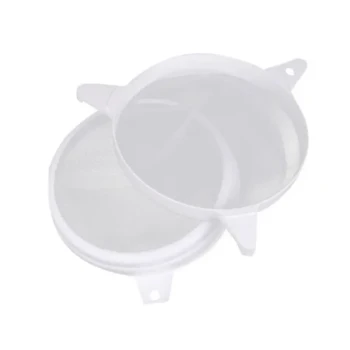
The use of a 0.20 μm microporous membrane (specifically sterile cellulose ester) allows for "cold sterilization."
This process works through physical filtration rather than thermal destruction or chemical additives.
By passing the royal jelly through this membrane, contaminants are mechanically separated from the product.
The Critical 0.20 μm Threshold
The specific pore size of 0.20 μm is selected because it is sufficiently small to capture bacteria and other microorganisms.
This ensures that pathogens are trapped on the membrane surface while the liquid components of the royal jelly pass through freely.
Preserving Chemical Properties
Because this method avoids heat, it maintains the natural biological activity of the royal jelly.
The chemical properties of the sample remain unaltered, ensuring that the consumer receives the full benefit of the bioactive ingredients.
Operational Considerations and Limitations
Reliance on Physical Barrier Integrity
Unlike heat sterilization, which kills bacteria throughout a substance, membrane filtration relies entirely on the physical integrity of the filter.
If the membrane is damaged or the pore size is inconsistent, microorganisms can bypass the filtration step.
Therefore, the quality of the cellulose ester membrane is paramount to ensuring sterility.
Specific Material Requirements
The process requires specific materials, such as sterile cellulose ester, to function correctly.
Using incorrect membrane materials could potentially react with the sample or fail to provide the necessary flow rate for viscous fluids like royal jelly.
Making the Right Choice for Your Product
When processing heat-sensitive biological products, the sterilization method defines the final quality.
- If your primary focus is Bioactivity: Utilize 0.20 μm cold filtration to strictly preserve 10-HDA and protein structures.
- If your primary focus is Safety: Ensure the cellulose ester membrane is certified sterile and intact to guarantee the physical removal of all bacteria.
Cold sterilization represents the optimal balance between strict hygiene standards and the preservation of royal jelly's potent biological profile.
Summary Table:
| Feature | Cold Sterilization (0.20 μm Membrane) | Heat Sterilization (Traditional) |
|---|---|---|
| Mechanism | Physical filtration & mechanical separation | Thermal destruction of pathogens |
| Nutrient Impact | Preserves 10-HDA, proteins, and vitamins | Causes protein denaturation & degradation |
| Temperature | Ambient/No heat generated | High temperatures required |
| Key Outcome | Maintains biological activity & sterility | Sterile but reduced medicinal value |
| Core Material | Sterile cellulose ester membrane | Thermal processing equipment |
Elevate Your Royal Jelly Production with HONESTBEE
Preserving the delicate bioactive integrity of royal jelly requires the right precision tools. At HONESTBEE, we specialize in supporting commercial apiaries and distributors with a comprehensive range of professional beekeeping machinery and specialized equipment. From honey-filling machines to the essential tools needed for high-quality processing, our wholesale offerings are designed to maximize your efficiency and product value.
Ready to scale your apiary operations? Contact us today to discover how our industry-leading hardware and consumables can help you deliver superior bee products to your customers.
References
- Zaid M.O.Y. Nabas, Ibrahim K. Nazer. Chemical Composition of Royal Jelly and Effects of Synbiotic with Two Different Locally Isolated Probiotic Strains on Antioxidant Activities. DOI: 10.2478/pjfns-2013-0015
This article is also based on technical information from HonestBee Knowledge Base .
Related Products
- Economy Small Scale Honey Dryer Dehumidifier Thickening Machine
- No Grafting Queen Rearing Kit: System for Royal Jelly Production and Queen Rearing
- High-Efficiency 20-Cell Silicone Mold for Beeswax Bee Queen Cup Production
- Portable Queen Bee Incubator with 12V Car Adapter for Safe Transport
- 10-Cell Silicone Beeswax Bee Queen Cups Forming Mold
People Also Ask
- What are the benefits of using a honey dryer for honey production? Boost Yield & Quality
- What are the features of the honey dryer? Achieve Premium Quality & Maximize Your Harvest
- What are the key features of the honey dryer? Essential Guide to Advanced Moisture Reduction Technology
- What is the primary construction material of the honey dryer? Durable AISI 304 Stainless Steel for Beekeepers
- How does the design of some honey dryers achieve high drying efficiency without a vacuum system? Boost Your Productivity