The primary purpose of using natural beeswax in queen rearing is to biologically mimic the hive's internal environment. By providing a familiar, biocompatible substrate, you significantly increase the rate at which worker bees accept grafted larvae and initiate the rearing process.
Core Takeaway: Natural beeswax does not merely hold the larva; it acts as a biocompatible signal to the colony. It simulates the natural conditions of swarming or supersedure, prompting nurse bees to accept the graft and immediately begin the critical secretion of royal jelly.
Driving Acceptance Through Biomimicry
Biocompatibility and Recognition
The fundamental goal in queen rearing is to trick the colony into believing they are raising a queen under natural impulses.
Biocompatibility is the defining advantage of natural beeswax. Because the material is identical to the comb the bees produce themselves, it faces no rejection based on texture or chemical composition.
This familiarity ensures that the artificial cell cup is treated as an extension of the hive structure rather than a foreign object.
Simulating Natural Impulse
Specialized wax cups are designed to mimic the specific shape of a natural queen cell base.
In nature, these bases appear during swarming or supersedure events.
When you introduce a wax cup with a similar geometry, it induces nurse bees to accept the grafted worker larva and triggers the biological response to feed it royal jelly.
The Role of Purity and Structure
Ensuring Larval Attachment
Beyond mere acceptance, the wax serves a mechanical function during the early developmental stages.
The wax provides favorable attachment conditions for the larvae.
This stability is a critical consumable factor; without a secure attachment to a proper substrate, larval survival and subsequent growth are jeopardized.
The Importance of Filtration
To maintain structural integrity, the beeswax used must be free of physical contaminants.
Using 5-micron filter bags removes debris, such as capping wax impurities, which allows for a consistent substrate.
High consistency prevents physical defects in the cup that could compromise the fragile developing queen or the experimental outcome of the rearing program.
Understanding the Trade-offs
Structural Fragility
While beeswax offers superior biological acceptance, it lacks the rigidity of synthetic alternatives.
Queen cells made of wax are extremely fragile.
This fragility contributes to a lower overall success rate compared to buying mated queens, as the cells can be easily damaged during handling or transport.
Chemical Residue Risks
Natural beeswax is essentially a lipid sponge that can absorb environmental toxins.
Unless you are using certified organic beeswax, there is a risk of introducing synthetic chemical residues into the cell.
These residues can interfere with the high purity required for organic production and potentially affect the sensitive development of the larva.
Making the Right Choice for Your Goal
To maximize your queen rearing success, you must balance biological acceptance with material purity and handling care.
- If your primary focus is maximizing acceptance rates: Prioritize fresh, natural beeswax cups to leverage their high biocompatibility and induce rapid royal jelly secretion.
- If your primary focus is organic integrity: Source certified organic foundations or wax to ensure the cell environment is free from synthetic chemical residues.
- If your primary focus is production reliability: Plan for a higher quantity of grafts than needed to compensate for the inherent fragility and variable success rates of wax queen cells.
Success in queen rearing lies in convincing the nurse bees that your artificial intervention is a natural biological imperative.
Summary Table:
| Feature | Benefit of Natural Beeswax | Impact on Queen Rearing |
|---|---|---|
| Biocompatibility | Matches hive's internal chemistry | Minimizes rejection of grafted larvae |
| Biomimicry | Mimics natural swarming impulses | Prompts immediate royal jelly feeding |
| Surface Texture | Provides ideal larval attachment | Enhances survival rates during development |
| Material Purity | Filtered wax removes contaminants | Ensures consistent cell structural integrity |
Elevate Your Queen Rearing with HONESTBEE Professional Equipment
Maximize your apiary's productivity by combining biological expertise with industrial-grade tools. HONESTBEE specializes in supporting commercial apiaries and distributors with a full spectrum of beekeeping machinery and consumables.
Whether you need precision honey-filling machines, durable hive-making hardware, or bulk beekeeping consumables, we provide the wholesale solutions you need to scale. Let us help you streamline your operations and deliver superior results to your customers.
Contact HONESTBEE Today for Wholesale Inquiries
References
- Nazlı CANVERDİ, Belgin Günbey. The effects of altitude and rearing period on some characteristics of honey bee queens, Apis mellifera caucasica Gorbachev, 1916 (Hymenoptera: Apidae). DOI: 10.16970/entoted.1207868
This article is also based on technical information from HonestBee Knowledge Base .
Related Products
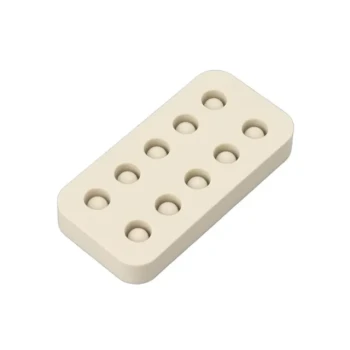
- 10-Cell Silicone Beeswax Bee Queen Cups Forming Mold
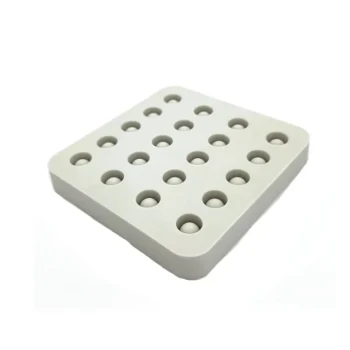
- High-Efficiency 20-Cell Silicone Mold for Beeswax Bee Queen Cup Production
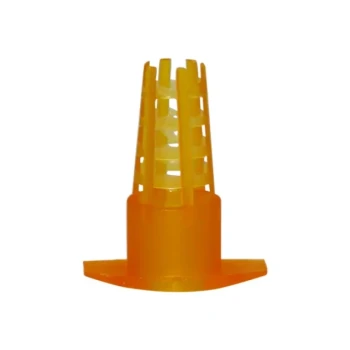
- Brown Nicot Queen Cell Cups for Breeding Queen Bees Beekeeping
- Clear Black Plain Polystyrene Queen Bee Grafting Cell Cups No Lug for Bee Queen Cup
- JZBZ Push-In Queen Cell Cups for Beekeeping
People Also Ask
- How do beeswax queen cell cups function? Optimize Queen Rearing with Biological Mimicry
- What is the biological function of beeswax queen cell cups? Boost Acceptance in Artificial Queen Rearing
- What role do specialized queen rearing tools play in developing mite-resistant honeybee stock? Master Genetic Selection
- What materials are used to make artificial queen cell cups for grafting? Beeswax vs. Plastic Guide
- What roles do specialized queen cell cups play in royal jelly production? Optimize Your Hive's Secretion and Yield