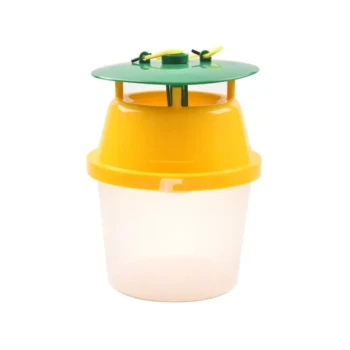
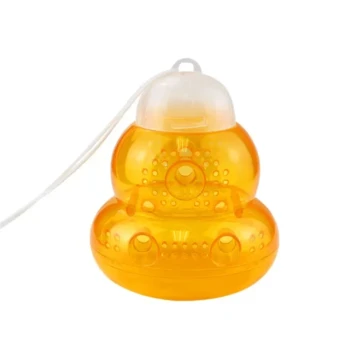
The primary function of the gypsum layer is physical stabilization. In field-deployed pollen traps, a layer of gypsum is placed at the base to add significant weight and create a smooth, solid bottom surface. This modification is critical for minimizing movement caused by environmental factors, ensuring the trap remains steady during data collection.
Field conditions are unpredictable; the gypsum layer acts as a stabilizing ballast that prevents wind-induced shaking and liquid spillage, thereby guaranteeing the accuracy of pollen sedimentation data.
The Mechanics of Stabilization
Adding Essential Weight
The fundamental challenge with lightweight pollen traps is their susceptibility to external forces. By adding a gypsum layer, you significantly increase the mass of the container.
This added weight lowers the center of gravity. Consequently, the trap becomes much harder to tip or shift.
Creating a Uniform Base
Beyond simple mass, the gypsum provides a structural advantage. As the gypsum solidifies, it forms a smooth, even surface at the bottom of the container.
This ensures the trap sits flat against its support structure. A level base reduces the wobbling that can occur with uneven container bottoms.
Protecting Data Integrity
Mitigating Wind Impact
Outdoor environments expose traps to constant wind. Without reinforcement, wind can cause the container to shake violently or vibrate.
The gypsum layer dampens these vibrations. It acts as an anchor, keeping the trap static even in breezy conditions.
Preventing Liquid Loss
The most critical risk in pollen collection is the loss of the capture liquid. If the trap shakes, the liquid—and the pollen captured within it—can spill over the edges.
By preventing shaking, the gypsum layer secures the liquid. This ensures that the final data reflects the true sedimentation rate, rather than an error caused by spillage.
Understanding the Trade-offs
Deployment Logistics
While stability is crucial, adding gypsum increases the physical load. The traps become heavier, which can make transporting large numbers of them to remote field sites more strenuous.
Preparation Time
Using gypsum requires a solidification phase. You cannot deploy the traps immediately; you must account for the time it takes for the layer to set and harden properly before use.
Ensuring Field Success
To maximize the reliability of your study, you must balance stability with logistical constraints.
- If your primary focus is data precision in exposed areas: Use a thicker gypsum layer to maximize weight and eliminate the risk of wind-induced spillage.
- If your primary focus is rapid or remote deployment: Account for the extra weight during transport planning and allow sufficient lead time for the gypsum to cure.
A stable trap is the prerequisite for accurate environmental data.
Summary Table:
| Feature | Purpose | Benefit |
|---|---|---|
| Increased Mass | Lowers the center of gravity | Prevents tipping and shifting in the field |
| Solidified Surface | Creates a smooth, level base | Eliminates wobbling on uneven support structures |
| Structural Ballast | Dampens vibrations | Minimizes wind-induced shaking and liquid loss |
| Data Security | Anchors the capture liquid | Ensures accurate pollen sedimentation rates |
Elevate Your Beekeeping and Research Efficiency with HONESTBEE
Precision matters whether you are gathering field data or managing a commercial apiary. HONESTBEE supports commercial apiaries and distributors with a comprehensive range of high-quality beekeeping tools, specialized machinery, and essential consumables. From advanced hive-making and honey-filling machines to unique honey-themed cultural merchandise, we provide the hardware and expertise you need to scale your operations.
Ready to optimize your production and supply chain? Contact us today to explore our wholesale offerings and industrial solutions!
References
- Androulla I. Varnava, Menelaos C. Stavrinides. Assessing the biodiversity and the impact of pollinators on carob production. DOI: 10.1371/journal.pone.0291431
This article is also based on technical information from HonestBee Knowledge Base .
Related Products
- Removable Plastic Pollen Trap With Ventilated Tray for Bees Pollen Collector
- 30 cm Plastic Entrance Hole Bee Pollen Trap and Collector
- Plastic Bee Pollen Trap Strips Comb Catcher Collector
- 8 Frame and 10 Frame Propolis Trap Collector Screen for Propolis Collection
- Professional Bucket Style Wasp and Moth Pheromone Trap
People Also Ask
- What are the design principles and advantages of pollen traps in the collection of bee pollen? Boost Your Apiary Yield
- What is the function of professional pollen traps in evaluating honey plants? Quantifying Pollination and Crop Potential
- What functions do pollen traps serve for bee bread production? Optimize Your Raw Material Collection
- What maintenance and pest prevention measures should be taken for pollen traps? Protect Your Hive and Harvest Quality
- How does the use of pollen traps in honeybee hives enhance crop fertilization? Boost Your Yield Through Induced Activity