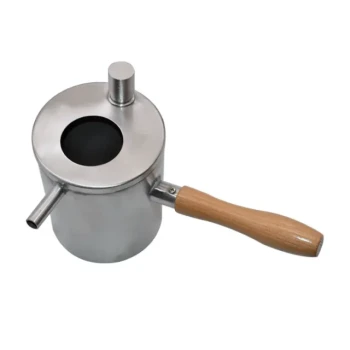
A professional blowtorch provides the extreme thermal shock necessary to destroy highly resilient bacterial spores. By applying direct, high-intensity flame to the interior wooden walls of a beehive, beekeepers can physically annihilate pathogens—specifically those responsible for American Foulbrood—that are capable of surviving standard chemical disinfection. This rigorous sterilization process is the only reliable method for sanitizing old wooden components before they are safely returned to service.
Beekeepers face a significant challenge in reusing equipment because chemical cleaners cannot reliably penetrate wood grain or kill dormant pathogen spores. Thermal sterilization provides a definitive physical barrier against reinfection, ensuring a sterile environment for new colonies.
The Limitation of Chemical Disinfection
The Resilience of American Foulbrood
The primary adversary in hive maintenance is American Foulbrood (AFB). This pathogen produces spores that are notoriously difficult to destroy.
Why Chemicals Fail
Standard liquid disinfectants work well on smooth, non-porous surfaces. However, wood is porous and organic, providing microscopic hiding spots for spores.
The Need for Physical Sterilization
Chemical agents often cannot soak deeply enough into the wood grain to reach every spore. Consequently, a hive that looks clean chemically may still harbor active disease vectors.
The Mechanics of Thermal Treatment
Application of High Heat
A professional blowtorch allows the user to apply intense heat directly to the infected surfaces. This is not merely about warming the wood; it is about subjecting the surface to temperatures that biological matter cannot withstand.
Targeting the Interior Walls
The process focuses on the interior walls where the bees live and store resources. This is the contact surface most likely to hold the spores of American Foulbrood.
Restoring Old Equipment
Beekeeping equipment is an investment, and reusing boxes is economically necessary. This method converts a potential biohazard (an old hive) back into a usable asset.
Understanding the Trade-offs
Necessity vs. Risk
While effective, using a blowtorch is an aggressive technique. It is strictly necessary for confirmed or suspected disease cases, but it stresses the wooden material more than scrubbing with soap and water.
Depth of Sterilization
The flame sterilizes the surface and the immediate sub-surface layers. However, it does not repair structural rot; it only ensures the biological safety of the wood that remains.
Making the Right Choice for Your Apiary
To effectively manage hive health, you must select the sterilization method that matches your risk level.
- If your primary focus is preventing American Foulbrood recurrence: Prioritize thermal sterilization with a blowtorch to ensure deep spore destruction that chemicals cannot achieve.
- If your primary focus is routine maintenance of healthy hives: Recognize that this method is an aggressive restoration technique specifically designed for sanitizing old or suspect equipment.
Thermal sterilization transforms a contaminated wooden box into a safe biological sanctuary for your bees.
Summary Table:
| Feature | Chemical Disinfection | Thermal Blowtorch Sterilization |
|---|---|---|
| Target Pathogen | Surface bacteria and fungi | Resilient American Foulbrood (AFB) spores |
| Penetration | Limited to surface/non-porous areas | Reaches deep into porous wood grain |
| Mechanism | Chemical reaction | Extreme thermal shock (physical destruction) |
| Effectiveness | Moderate (may leave dormant spores) | Maximum (annihilates biological matter) |
| Primary Use | Routine maintenance of healthy hives | Sanitizing old or suspected disease equipment |
Secure Your Apiary’s Future with HONESTBEE
Protecting your colonies from American Foulbrood requires professional-grade solutions. At HONESTBEE, we specialize in supporting commercial apiaries and distributors with high-performance beekeeping tools and machinery designed for long-term hive health. From specialized hardware to essential consumables, we provide the equipment you need to maintain a sterile, productive environment.
Partner with HONESTBEE today for:
- Wholesale supplies of premium wooden hive components.
- Advanced beekeeping machinery for efficient hive management.
- A comprehensive range of tools and industry consumables.
Contact our team today to discuss your wholesale needs!
References
- Souha Jmal, Hajer Debbabi. Analysis of Tunisian Beekeepers' Perceptions in Honey Bee Diseases and Pests Management. DOI: 10.21608/ejarc.2024.345965
This article is also based on technical information from HonestBee Knowledge Base .
Related Products
- Professional Bee Smoker with Elongated Spout and Durable Bellows for Beekeeping
- Heavy Duty Manual Bee Smoker Blower for Beekeeping
- Durable 12V Oxalic Acid Vaporizer for Varroa Mite Treatment Beehive Beekeeping Tool
- Professional Stainless Steel Wax Melter for Beekeeping and Crafts
- European Stainless Steel Bee Smoker for Honey Bee Hive
People Also Ask
- What roles do bee smokers and precision tools play in honey harvesting? Master Safety and Quality Control
- Why is the use of professional bee smokers and specialized fuel essential? Protect Honey Purity & Colony Safety
- Why is a professional bee smoker considered an essential tool for hive management and safety? Master Colony Control.
- Why is a professional Smoker essential during routine apiary inspections? Enhance Safety and Operational Efficiency
- How do professional bee smokers facilitate bee management? Enhancing Forest Beekeeping Safety and Efficiency