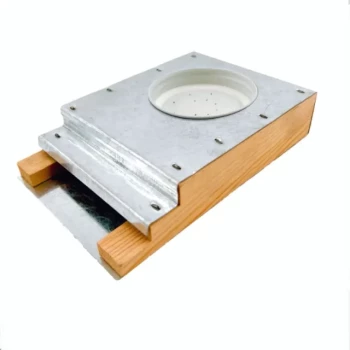
Reliable energy access is the cornerstone of commercial bumblebee colony survival. An integrated sugar water reservoir serves as a critical nutritional buffer, providing the continuous energy required to maintain the colony's basal metabolism and support larval development. This becomes indispensable when natural foraging is interrupted by adverse weather, such as rainy days, or when the local flora reaches the end of its flowering period.
Commercial bumblebee colonies operate in unpredictable environments where natural resources often fluctuate. The integrated reservoir acts as an essential stabilizer, bridging the gap between resource availability and the colony’s constant biological energy demands.
The Biological Necessity of Constant Energy
To understand the value of an integrated reservoir, one must first understand the biological demands of the colony. A bumblebee hive cannot pause its energy consumption simply because food is scarce outside.
Fueling Basal Metabolism
Every bee in the colony requires a baseline amount of energy just to survive and function. Basal metabolism dictates the minimum energy expenditure needed to keep the insect alive.
Without a consistent fuel source, the bees cannot generate the heat or movement necessary for colony maintenance. The sugar water reservoir ensures this metabolic engine never stalls, even when external resources are zero.
Supporting Larval Development
The future of the colony relies on the continuous growth of larvae. Larval development is an energy-intensive process that requires a steady, uninterrupted supply of nutrition.
If food intake drops, larval growth can stagnate or fail completely. The reservoir guarantees that the developing brood receives the sustenance it needs to mature into the next generation of workers.
Mitigating Environmental Unpredictability
Commercial colonies are often deployed in landscapes where they have no control over the weather or the crop cycle. The reservoir mitigates the risks associated with these external variables.
Bridging the Gap on Rainy Days
Bumblebees are resilient, but heavy rain can severely limit or halt foraging flights. During these periods, the colony is effectively cut off from its natural food supply.
The integrated reservoir provides an immediate, in-hive alternative. It allows the colony to function normally during rainy days without depleting its internal reserves to dangerous levels.
Managing the End of Flowering Periods
Crops and wild flora have finite bloom cycles. When a specific crop reaches the end of a flowering period, nectar availability drops precipitously.
Without an integrated food source, the colony would face starvation as the landscape shifts. The reservoir ensures the colony remains viable and strong during these transitional phases.
Operational Stability in Pollination
For the commercial grower or beekeeper, the goal is consistent performance. The reservoir transforms a biological entity into a reliable agricultural asset.
Improving Colony Survival Rates
Starvation is a primary driver of colony collapse in commercial settings. By removing the risk of famine, the reservoir significantly improves overall survival rates.
A colony that survives is a colony that continues to work. This longevity maximizes the return on investment for the pollination service.
Ensuring Stability Across Landscapes
Different agricultural landscapes offer varying levels of natural resources. Some are rich in nectar; others are monocultures with brief bloom windows.
The integrated reservoir standardizes the colony's performance. It ensures the stability of pollination operations, providing consistent results regardless of the specific challenges posed by the surrounding terrain.
The Risks of Resource Gaps
While the reservoir is a powerful tool, it is important to understand the specific "trade-off" it addresses: the risk of relying solely on nature.
Vulnerability to Nectar Dearth
Without a reservoir, a colony is entirely dependent on the immediate environment. If a "nectar dearth" (a shortage of nectar-producing flowers) occurs, the colony's productivity plummets immediately.
The reservoir does not replace the need for pollen (protein), but it eliminates the immediate threat of energy failure. Relying exclusively on external foraging in a commercial setting introduces an unacceptable level of operational risk.
Making the Right Choice for Your Goal
The presence of an integrated sugar water reservoir fundamentally changes the reliability profile of a bumblebee colony.
- If your primary focus is Colony Longevity: The reservoir is critical for maintaining basal metabolism and preventing starvation during weather events or floral gaps.
- If your primary focus is Commercial Yield: The reservoir ensures operational stability, guaranteeing that pollination continues uninterrupted even when natural nectar is scarce.
An integrated reservoir is not just a backup tank; it is the infrastructure that allows a biological system to perform reliably in a commercial environment.
Summary Table:
| Key Feature | Biological/Operational Benefit | Impact on Colony |
|---|---|---|
| Energy Buffer | Supports basal metabolism & larval growth | Prevents colony stagnation |
| Weather Resilience | Provides sustenance during rainy/adverse days | Ensures zero foraging downtime |
| Floral Transition | Bridges gaps at the end of flowering periods | Prevents starvation during dearths |
| Pollination Stability | Standardizes performance across landscapes | Maximizes pollination ROI |
Maximize Your Colony Success with HONESTBEE
At HONESTBEE, we understand that commercial success in beekeeping requires precision and reliability. Whether you are managing large-scale commercial apiaries or operating as a distributor, we provide the industrial-grade tools you need to thrive. Our comprehensive portfolio includes:
- Advanced Machinery: Hive-making and honey-filling machines designed for high-volume efficiency.
- Professional Equipment: A full spectrum of beekeeping tools and essential consumables.
- Value-Added Goods: Honey-themed cultural merchandise to diversify your market reach.
Partner with HONESTBEE to access professional wholesale solutions tailored to the rigorous demands of the modern bee industry. Contact us today to secure your supply chain and enhance your operational stability!
References
- Kelsey K. Graham. Heterospecific Hymenoptera found inside the nests of Bombus impatiens (Hymenoptera: Apidae).. DOI: 10.22543/0090-0222.1842
This article is also based on technical information from HonestBee Knowledge Base .
Related Products
- Rapid Bee Feeder White Plastic 2L Round Top Feeder for 8 or 10-Frame Bee Hives
- Boardman Entrance Bee Feeder Durable Galvanized Steel and Wood Construction for Beekeeping
- White Plastic 0.5L Beekeeping Entrance Feeder for Bees
- HONESTBEE Entrance Bee Feeder Efficient Hive Front Liquid Feeding Solution for Beekeeping
- HONESTBEE Entrance Bee Feeder Professional Hive Nutrition Solution for Beekeeping
People Also Ask
- What should be done with feeders and equipment after feeding bees? Essential Steps for Apiary Health
- What should be done if feed in a feeder is not consumed by the bees? Prevent Hive Mold with Prompt Feed Management
- What is the necessity of specialized internal or entrance feeders? Secure Your Hive with Professional Feeding Tools
- How do bee feeders work to preserve colony health during nectar shortages? Essential Guide for Beekeepers
- How quickly does a medium to strong colony usually empty a feeder? A Beekeeper's Guide to Hive Health