Annual re-queening is generally superior for commercial swarm management because it addresses the colony’s biological trigger rather than merely blocking or removing swarm-related symptoms. Replacing an older queen with a young, well-mated queen—typically under 12 months old—restores strong queen pheromone production, supports consistent egg-laying, and naturally reduces the colony’s tendency to swarm. Mechanical measures such as entrance excluders, wing clipping, or queen cell destruction are labor-intensive, easy to miss, and can leave colonies stressed, queenless, or unproductive.
For commercial apiaries, annual re-queening is a preventive management program, while mechanical controls are reactive interventions. Young queens help stabilize colony behavior and productivity across an entire bee yard, reducing dependence on repeated manual inspections and emergency corrections.
Why Mechanical Swarm Controls Fall Short
They treat symptoms rather than the colony’s condition
Swarming is influenced by queen age, pheromone strength, colony population, brood conditions, and available space. Mechanical methods generally address only the queen’s movement or the visible presence of queen cells.
A barrier may prevent or delay a queen from leaving, but it does not restore declining queen pheromone signals or correct the colony conditions that initiated swarm preparation.
They depend heavily on perfect timing
Destroying queen cells is effective only if inspections identify every relevant cell at the right stage. Missing one viable cell can allow the colony to raise a replacement queen or continue with swarm preparations.
Commercial operations manage many colonies across multiple yards, making repeated, perfectly timed interventions difficult and expensive.
They increase the risk of operational errors
Wing clipping does not prevent a colony from attempting to swarm, and an entrance excluder can create congestion or interfere with normal colony movement if improperly selected or installed. Queen cell destruction can also leave a colony queenless if all replacement cells are removed accidentally.
These risks are especially significant in commercial systems, where a small error repeated across hundreds of colonies can become a major production loss.
How Annual Re-Queening Prevents Swarm Pressure
Young queens provide stronger pheromone signaling
A young queen generally produces stronger and more consistent queen pheromones than an older queen. These signals help communicate the queen’s presence and reproductive status throughout the colony.
That natural communication can suppress the colony’s impulse to raise replacement queens and initiate swarming, reducing the need for constant mechanical correction.
It improves egg-laying consistency
Replacing an older queen with a young, prolific layer supports a more stable brood pattern. Consistent egg-laying helps maintain a strong, balanced worker population for foraging and hive maintenance.
This gives commercial managers a more predictable foundation for honey production, pollination strength, and colony replacement planning.
It works at the apiary level
Annual or autumn re-queening can be scheduled across commercial bee yards instead of being performed only after swarm signs appear. This changes swarm management from a series of emergencies into a planned production process.
A coordinated program also simplifies forecasting for labor, queen demand, hive strength, and seasonal transportation.
The Commercial Value of Preventive Re-Queening
It reduces recurring labor
Mechanical swarm control requires frequent inspections, queen cell checks, equipment handling, and follow-up visits. These tasks consume skilled labor during the same high-demand periods when commercial apiaries are preparing colonies for honey flows or pollination contracts.
Annual re-queening does not eliminate inspections, but it can reduce the frequency and urgency of corrective interventions.
It protects productive worker populations
Swarming removes a substantial portion of the worker population and can interrupt brood production. Even when the original colony survives, its field force may be reduced during a critical production window.
Lower swarm rates help colonies retain more workers for foraging, supporting more consistent commercial output.
It improves planning and fulfillment
For distributors, wholesalers, and B2B resellers, a planned re-queening program creates more predictable demand for mated queens, queen cells, introduction cages, mating nucs, and queen-rearing supplies.
A dependable supplier with broad product coverage, rapid response, and efficient fulfillment can help commercial operators complete replacement programs without delaying seasonal operations.
Choosing Replacement Queens or Queen Cells
Pre-mated queens reduce operational risk
Mated queens are already fertilized and ready to begin laying after successful introduction. This avoids the risks associated with emergence, mating flights, predators, poor weather, and unsuccessful mating.
For commercial apiaries prioritizing consistency and rapid colony recovery, pre-mated queens are usually the lower-risk option.
Queen cells can reduce acquisition cost
Queen cells may be more economical and can support large-scale replacement programs when the operation has suitable mating nucs, experienced personnel, and sufficient time for development.
However, their performance is more exposed to mating and establishment failures. The lower purchase price must therefore be evaluated against potential replacement labor, delays, and colony downtime.
Introduction equipment supports consistency
Queen introduction cages, protective mating nucs, and suitable queen-rearing supplies help reduce handling and acceptance problems. The equipment does not remove biological risk, but it makes the replacement process more controlled and repeatable.
For large apiaries, standardizing introduction procedures is as important as selecting the queen stock itself.
Understanding the Trade-offs
Re-Queening is not a complete swarm-control system
Annual re-queening significantly reduces swarm pressure, but it does not guarantee that swarming will never occur. Excessive colony congestion, insufficient space, poor ventilation, and strong seasonal conditions still require appropriate management.
Commercial operators should combine young queens with sound inspection, expansion, and colony-balance practices.
Replacement timing matters
Annual and autumn re-queening are both useful, but the best timing depends on local climate, production cycles, queen availability, and colony objectives. Re-queening too close to a major nectar flow may create a temporary brood interruption when maximum foraging strength is needed.
A scheduled program should therefore be aligned with the apiary’s seasonal calendar rather than applied as a rigid date.
Quality and acceptance cannot be ignored
A young queen only provides the expected benefit if she is healthy, properly handled, accepted by the colony, and able to establish a reliable brood pattern. Poor-quality stock or rushed introduction can undermine the advantages of re-queening.
Commercial buyers should assess supplier reliability, queen quality, packaging, delivery speed, and after-sales support—not purchase price alone.
Making the Right Choice for Your Goal
Annual re-queening is most effective when treated as a planned, quality-controlled commercial program rather than a one-time response to swarm activity.
- If your primary focus is reducing swarm labor: Use annual or autumn re-queening to prevent swarm pressure before it requires repeated queen-cell destruction or other manual interventions.
- If your primary focus is production consistency: Prioritize healthy, well-mated young queens that support stable egg-laying and strong worker populations.
- If your primary focus is minimizing operational risk: Choose pre-mated queens and use standardized introduction cages and procedures.
- If your primary focus is lowering replacement cost: Consider queen cells when you have skilled staff, mating nucs, and enough time to manage higher establishment risk.
- If your primary focus is supply reliability: Work with a supplier offering queens, cells, rearing equipment, cages, and related products through responsive service and efficient fulfillment.
For commercial swarm management, young queens provide the biological foundation, while mechanical methods should remain targeted backup tools rather than the primary strategy.
Summary Table:
| Method | Mechanism | Key Advantage | Key Disadvantage |
|---|---|---|---|
| Annual Re-Queening | Replaces old queen with young, pheromone-rich queen | Prevents swarming biologically, reduces labor, improves productivity | Requires scheduled replacement, timing considerations |
| Queen Entrance Excluders | Physically blocks queen from leaving | Simple, immediate barrier | Does not address underlying causes, may cause congestion |
| Queen Cell Destruction | Manually removes queen cells | Directly targets swarm preparation | Labor-intensive, risk of missing cells or harming colony |
Looking to streamline your swarm management and boost apiary productivity? At HONESTBEE, we supply a full spectrum of beekeeping equipment, from queen introduction cages and mating nucs to hive management tools. Our rapid response, dedicated service, and efficient fulfillment ensure you get the right products when you need them. Partner with us for reliable sourcing that supports your preventive re-queening programs. Contact our team today to discuss your requirements and discover how we can enhance your operational efficiency. Get in touch to learn more about our wholesale solutions for commercial apiaries and distributors.
Related Products
- Premium Wood Framed Metal Wire Queen Bee Excluder
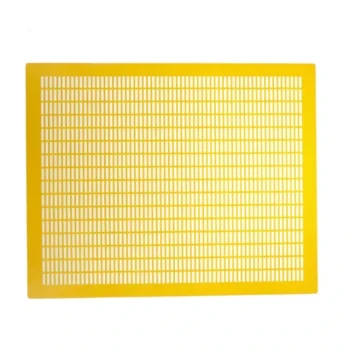
- High Performance Plastic Queen Excluder for Beekeeping and Apiary Management
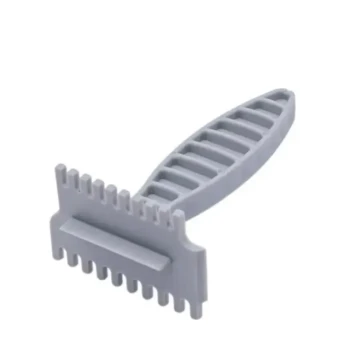
- Lightweight Durable Plastic Queen Excluder Scraper for Beekeeping
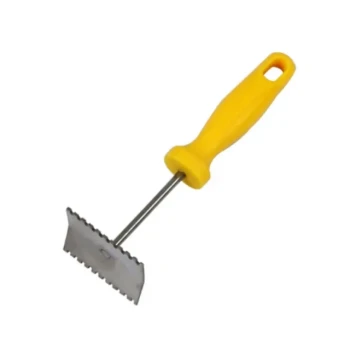
- Stainless Steel Scraper for Metal Queen Bee Excluders
- Wooden Queen Bee Excluder for Beekeeping
People Also Ask
- What types of queen excluders are available for beekeepers? Choose the Right Tool for Your Hive
- Why are standardized hive frames and queen excluders essential for maintaining honey purity and quality? Scale Your Purity
- How does a queen-bee excluder function as a defense against Small Hive Beetles? Protect Your Honey with Resource Denial
- What is the purpose of an entrance queen excluder? Prevent Absconding and Stabilize Your New Honeybee Colony
- What is the function of a queen excluder? Maximize Honey Yield and Ensure Data Integrity for Your Apiary