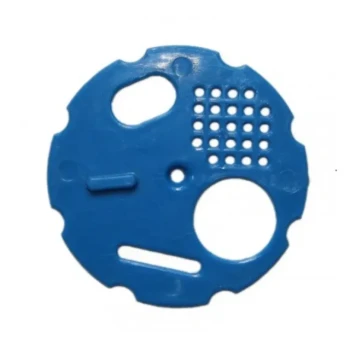
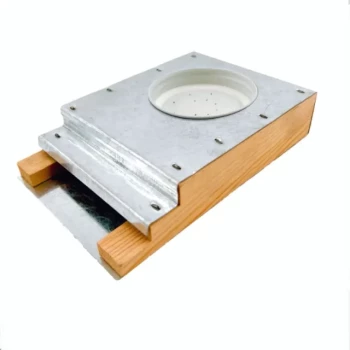
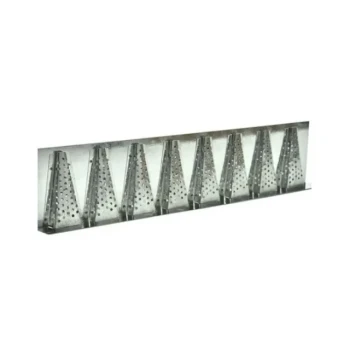
Foam material acts as a strategic filtration mechanism used to temporarily obstruct the hive entrance. This physical blockade forces returning bees to congregate outside the hive, allowing researchers to specifically isolate and collect older foraging bees rather than a random assortment of the colony's population.
The strategic value of blocking entrances is demographic targeting. By temporarily halting traffic, you force an accumulation of older foragers—the group most likely to harbor disease—ensuring your sample is statistically optimized for detecting pathogens like Nosemosis.
The Logic Behind Targeted Sampling
Filtering for High-Risk Populations
A honeybee colony consists of various demographics, ranging from newly emerged house bees to veteran foragers. Random sampling from inside the hive often results in a diluted dataset.
By blocking the entrance, you exclusively target bees returning from the field.
Why Older Bees Matter
The primary goal of this technique is to capture older foragers.
Biological evidence suggests that older bees are significantly more likely to be infected with pathogens than younger house bees. Because they have been foraging in the environment, their exposure to vectors and stressors is higher.
Increasing Diagnostic Sensitivity
To accurately monitor disease, you need a sample that represents the "worst-case" scenario for the hive's health.
Collecting approximately 100 accumulated foragers provides a concentrated sample of potential vectors. This increases the probability of detecting conditions such as Nosemosis, which might be missed in a younger, healthier sample group.
Critical Considerations for Sample Integrity
Foragers vs. Nurse Bees
It is vital to distinguish between sampling methods based on your diagnostic goals.
The foam block technique is specifically designed for forager collection. If your research requires nurse bees, you must collect them from brood frames inside the hive, as they do not typically leave the entrance.
Sample Preservation is Paramount
While the foam allows you to catch the right bees, the handling immediately after collection is equally critical.
Collected bees should be kept in ventilated containers and remain alive until they can be frozen in the laboratory. This ensures the preservation of high-quality, non-degraded viral RNA, which is essential for accurate molecular diagnostic tests.
Optimizing Your Field Collection Strategy
To ensure your sampling yields actionable data, match your method to your specific monitoring goals.
- If your primary focus is disease detection sensitivity: Use foam blocks to capture older returning foragers, as they carry the highest pathogen loads.
- If your primary focus is molecular analysis accuracy: Prioritize keeping the collected sample alive and ventilated until freezing to prevent RNA degradation.
By controlling who enters the sample via entrance blocking, you transform a random collection into a precise diagnostic tool.
Summary Table:
| Feature | Targeted Sampling (Foam Block Method) | Random Internal Sampling |
|---|---|---|
| Target Group | Older Foraging Bees | Mixed Ages (Mostly House/Nurse Bees) |
| Primary Goal | Pathogen Detection (e.g., Nosemosis) | General Colony Health Assessment |
| Disease Risk | High (Highest exposure to environment) | Low (Newer bees, less exposure) |
| Diagnostic Sensitivity | High - Concentrated sample of vectors | Low - Potentially diluted dataset |
| Best Used For | Disease monitoring & field research | Brood health & population studies |
Maximize Your Colony Health with HONESTBEE Precision Equipment
At HONESTBEE, we understand that accurate data is the backbone of a successful commercial apiary. As a premier provider for distributors and commercial beekeeping operations, we supply the professional-grade tools, honey-filling machines, and hive hardware needed to scale your business.
Whether you are looking for high-efficiency machinery or essential industry consumables, our comprehensive wholesale offering ensures your operations remain productive and profitable. Empower your beekeeping enterprise with industry-leading solutions—contact us today to discuss your wholesale needs!
References
- Nicolás Szawarski, Pedro Negri. Effect of Abscisic Acid (ABA) Combined with Two Different Beekeeping Nutritional Strategies to Confront Overwintering: Studies on Honey Bees’ Population Dynamics and Nosemosis. DOI: 10.3390/insects10100329
This article is also based on technical information from HonestBee Knowledge Base .
Related Products
- Beehive Entrance Discs Plastic Bee Entrance Disc for Bee Hives
- Professional Reversible Beehive Hive Entrance
- Multi-Functional Rotary Hive Entrance Disc for Beekeeping
- Multi-Functional Sliding Hive Entrance for Beekeeping
- Boardman Entrance Bee Feeder Durable Galvanized Steel and Wood Construction for Beekeeping
People Also Ask
- What is the best entrance for a bee hive? Maximize Colony Health & Honey Production
- What happens if you block the entrance to a bee hive? Avoid This Dangerous Mistake
- How does entrance configuration vary seasonally for beekeepers? A Guide to Year-Round Hive Health
- Why adjust beehive entrance size for humidity? Boost Honey Ripening and Varroa Control in Commercial Apiaries
- How big should a beehive entrance be? Optimize for Colony Health & Honey Production