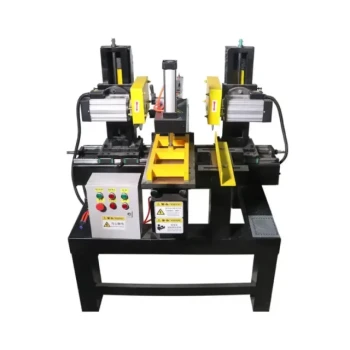
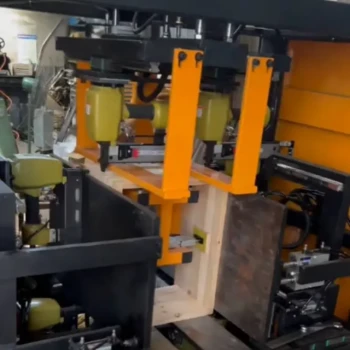
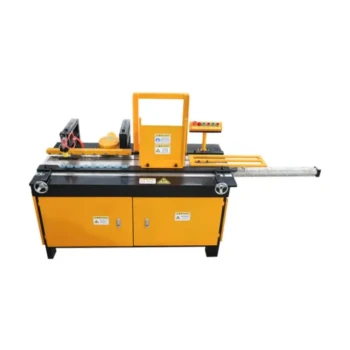
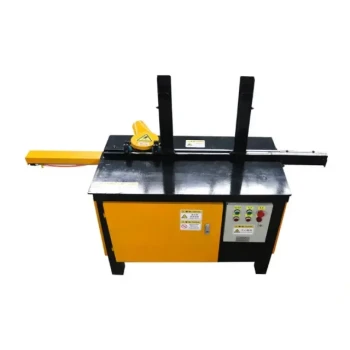
High-precision hive-making machinery is the prerequisite for industrial-scale apiculture because it enforces strict adherence to "bee space" physical standards. By ensuring exact dimensional consistency, this machinery prevents bees from building unwanted burr comb or sealing gaps with excessive propolis, solving the structural irregularities common in hand-made equipment. This precision ensures total interchangeability of internal components, serving as the essential hardware foundation for integrating large-scale automated honey filling and processing systems.
The Core Takeaway Modernizing an apiary is impossible without standardized hardware. High-precision machinery transforms the beehive from a variable, hand-crafted box into a standardized industrial unit, enabling the use of automated processing lines and reducing the labor burden of colony management.
The Operational Foundation of Standardization
Mastering "Bee Space"
The primary function of high-precision machinery is the accurate replication of bee space—the precise gap bees need to move freely.
If hive components are manufactured with poor tolerances, gaps become too wide or too narrow. Bees react to wide gaps by building burr comb (irregular wax structures) and narrow gaps by gluing them shut with propolis.
Precision machinery eliminates these variances, ensuring the hive interior remains accessible and clean without constant manual scraping and cleaning.
Achieving Component Interchangeability
In a traditional setup, frames often require force-fitting or are specific to a single box due to warping or cutting errors.
Modern machinery ensures that every frame, box, and cover is mathematically identical. This allows for the seamless interchangeability of parts across thousands of hives.
This standardization significantly reduces management time, as beekeepers no longer waste effort matching specific components to specific hives during inspections.
Enabling Scale and Automation
The Gateway to Automated Processing
The modernization of an apiary culminates in the use of automated extraction and filling lines.
These large-scale processing machines require uniform input; an irregular frame can jam or damage expensive robotic equipment.
High-precision hive machinery provides the reliable hardware infrastructure necessary to deploy these downstream technologies, effectively bridging the gap between field production and factory processing.
Facilitating Rapid Expansion
Manual hive construction acts as a bottleneck to growth.
Automated manufacturing allows apiaries to rapidly produce large volumes of standardized equipment to support clustered beekeeping operations.
This capability enables the rapid expansion of colony counts without sacrificing the structural consistency required for efficient management.
Enhancing Colony Health and Logistics
Optimizing Pest Defense and Ventilation
Precision manufacturing creates tighter seals and more accurate ventilation channels than manual assembly.
Maintaining high structural integrity is crucial for defending against physical pest invasions, particularly the Small Hive Beetle, which exploits gaps in poorly constructed hives.
Furthermore, consistent internal dimensions ensure uniform ventilation, which is critical for the overwintering success and spring development of specific bee subspecies.
Supporting Nomadic Operations
For migratory (nomadic) beekeepers, equipment faces significant wear and tear during transport.
Machinery enables the rapid repair of damaged hives at logistics bases, ensuring equipment remains field-ready.
The structural consistency provided by industrial-grade manufacturing also facilitates modular management, making the remote migration of colonies safer and more efficient.
Understanding the Trade-offs
While high-precision machinery drives efficiency, it introduces specific challenges that must be managed.
Capital Intensity vs. Labor Savings Implementing this machinery requires a significant upfront financial investment compared to traditional carpentry tools. The Return on Investment (ROI) is realized only through the reduction of long-term maintenance costs and labor hours.
Rigidity of Standardization High-precision systems rely on strict adherence to specific standards. This can reduce flexibility if an apiary wishes to experiment with non-standard hive geometries or novel management styles that deviate from the manufactured norm.
Making the Right Choice for Your Goal
To determine how to integrate this technology into your operation, assess your primary modernization objectives:
- If your primary focus is Commercial Scalability: Prioritize machinery that ensures strict component interchangeability to support automated honey extraction lines.
- If your primary focus is Migratory Beekeeping: Focus on systems that produce durable, tightly sealed components to withstand transport and prevent pest intrusion.
- If your primary focus is Colony Health: Utilize precision manufacturing to guarantee exact ventilation parameters and eliminate propolis buildup that hinders inspection.
True modernization is not just about having new machines; it is about establishing a standardized hardware ecosystem that allows both the bees and the business to thrive.
Summary Table:
| Feature | Traditional Manual Construction | High-Precision Machinery |
|---|---|---|
| Dimensional Accuracy | Variable (prone to burr comb) | Precise (exact 'bee space' adherence) |
| Interchangeability | Low (components often unique) | High (total component compatibility) |
| Automation Support | Not compatible with robotic lines | Essential for automated extraction |
| Pest Resistance | Gaps allow Small Hive Beetle entry | Tight seals enhance colony defense |
| Scalability | Slow, labor-intensive assembly | Rapid, volume-based manufacturing |
Revolutionize Your Apiary with HONESTBEE Precision
Transitioning from traditional methods to industrial-scale efficiency requires more than just tools—it requires a standardized hardware ecosystem. HONESTBEE empowers commercial apiaries and global distributors with the cutting-edge machinery needed to modernize operations.
From high-precision hive-making machines that ensure perfect bee space to automated honey-filling systems and specialized beekeeping hardware, we provide the full spectrum of industrial equipment and essential consumables.
Ready to scale your production and reduce labor costs? Contact our experts today to discover how our wholesale solutions and honey-themed cultural merchandise can elevate your business.
References
- U. Oladimeji, M. Ajao. Analysis of Risks in Honeybee Production Farms in Nigeria: A Boost to Food Security. DOI: 10.21608/eajbsa.2019.29075
This article is also based on technical information from HonestBee Knowledge Base .
Related Products
- High-Efficiency Pneumatic Bee Hive Making Machine for Rapid Box Assembly
- Beehive Machine Double End Saw for Precision Hive Component Manufacturing
- Automatic High-Speed Bee Hive Box Stapling Machine
- HONESTBEE Professional Long Handled Hive Tool with Precision Cutting Blade
- Beehive Handle and Frame Rest Cutting Machine: Your Specialized Hive Machine
People Also Ask
- How does the introduction of professional beehive-making machinery benefit sustainable beekeeping? Scale Your Apiary
- Why is specialized beehive-making machinery critical for low-defense breeding? Enhance Selection with Precision Tools
- How does the introduction of specialized beehive making machinery contribute to increasing the scale of regional beekeeping industries?
- What is the importance of specialized beehive making machinery in a circular bio-economy? Build Local Sustainability
- Why is specialized beehive-making machinery essential? Scale Your Apiary with Precision Industrial Standards