Industrial-grade disinfection equipment serves as the primary biological firewall for commercial beekeeping operations. It is essential for the deep treatment of empty hives and frames, utilizing rigorous physical or chemical methods to eliminate residual pathogens and parasites that manual cleaning cannot reach. Without this hardware, maintaining the health of high-density colonies becomes impossible.
For operations managing 300 to 500 hives, relying on standard cleaning is a calculated risk that often leads to failure. Industrial-grade hardware is the only mechanism capable of breaking the chain of cross-infection and ensuring the long-term biological safety of your project.
The Necessity of Deep Treatment at Scale
Managing High-Density Risk
In commercial settings with 300 to 500 hives, the density of the bee population creates a perfect environment for rapid disease transmission.
Industrial equipment allows you to treat this volume of equipment consistently. It ensures that every frame and hive body meets the same rigorous hygiene standard before being reintroduced to the colony.
Preventing Cross-Infection
Pathogens often linger in used equipment, waiting to infect new or wintering colonies.
Specialized hardware prevents this by performing a deep treatment that neutralizes biological threats at the source. This is the hardware-based safeguard required to stop cross-regional transmission of diseases.
Mechanisms of Elimination
Automated Steam and Water Circulation
Large-scale operations rely on automated cleaning systems that utilize high-pressure hot water or steam.
This method effectively penetrates porous hive materials. It is specifically designed to eliminate resilient pathogenic microorganisms, such as foulbrood spores, which can survive superficial cleaning methods.
Thermal Sterilization
Industrial blowtorches provide a high-temperature physical solution that complements chemical treatments.
By applying direct flames to hive walls and tools, you can destroy spores and parasites instantly. This physical treatment is often more effective than chemicals alone at breaking the transmission path of infectious sources.
Operational Trade-offs and Safety Protocols
Handling Toxic Consumables
Industrial disinfection often requires potent chemicals, such as formaldehyde, strong acids, or alkalis.
While effective against pests, these substances pose significant risks to human health. They are corrosive and can release harmful gases during application.
The Requirement for Protective Hardware
You cannot utilize industrial-grade disinfectants without professional protective equipment.
Respirators, goggles, and protective clothing are critical hardware components. They isolate the operator from chemical burns and inhalation hazards, ensuring that the drive for hive health does not compromise human safety.
Ensuring Long-Term Apiary Viability
To maintain a profitable and healthy commercial operation, you must match your sanitation hardware to your biological risks.
- If your primary focus is Disease Eradication: Prioritize high-temperature physical treatments like industrial blowtorches and steam systems to destroy resilient spores.
- If your primary focus is Operational Safety: Ensure your budget includes professional-grade PPE to protect staff from the necessary chemical disinfectants.
- If your primary focus is Scale Management: Invest in automated circulation systems to maintain hygiene standards across hundreds of hives without relying on manual labor.
Industrial hygiene is not an optional upgrade; it is the baseline requirement for sustainable commercial beekeeping.
Summary Table:
| Disinfection Method | Core Mechanism | Target Pathogens | Scaling Benefit |
|---|---|---|---|
| Automated Steam/Water | High-pressure thermal penetration | Foulbrood spores & resilient bacteria | Consistent hygiene for 300-500+ hives |
| Thermal Sterilization | Industrial blowtorch/Direct flame | Parasites and lingering spores | Instant physical destruction of threats |
| Chemical Treatment | Formaldehyde, acids, or alkalis | Broad-spectrum biological pathogens | Deep penetration of hive materials |
| Professional PPE | Protective hardware & respirators | User safety & chemical isolation | Enables the use of potent disinfectants |
Maximize Your Colony Health with HONESTBEE Professional Solutions
Maintaining a successful commercial apiary requires more than just standard care; it demands a robust biological safeguard. At HONESTBEE, we specialize in empowering commercial beekeepers and distributors with high-performance industrial equipment designed to eliminate disease and streamline operations.
From hive-making and honey-filling machinery to a comprehensive range of beekeeping tools and essential consumables, our wholesale portfolio is built for scale. Whether you need specialized hardware for deep sterilization or professional-grade protective gear, we provide the tools to ensure your project’s long-term biological safety and profitability.
Ready to upgrade your winter preparation? Contact us today to explore our wholesale equipment and secure the future of your apiary.
References
- E. V Prushkivska, A. O Krasnoshtan. Economic and social factors in the formation of an industrial apiary business project. DOI: 10.33271/ebdut/87.201
This article is also based on technical information from HonestBee Knowledge Base .
Related Products
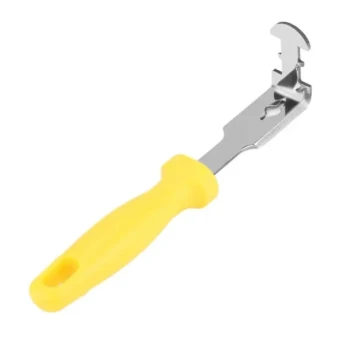
- Heavy Duty Stainless Steel Frame Cleaner with Plastic Handle
- Professional Stainless Steel Frame Cleaner with Ergonomic Wood Handle
- Heavy-Duty Ergonomic Stainless Steel Pollen Shovel
- Heavy-Duty Ergonomic Grip Galvanized Pollen Shovel
- Premium Heat-Resistant Glass Honey Dipper
People Also Ask
- What tools are used for cleaning frames? A Beekeeper's Simple 4-Tool Guide
- What are the physical characteristics of the frame cleaning tool? Durable Wood Design for Effective Hive Maintenance
- What is the purpose of the frame cleaning tool? A Precision Tool for Efficient Frame Maintenance
- In what specific situation is the frame cleaning tool particularly useful? Master Cut Comb Maintenance
- What is the function of the frame cleaning tool in beekeeping? Streamline Your Apiary Hygiene and Maintenance