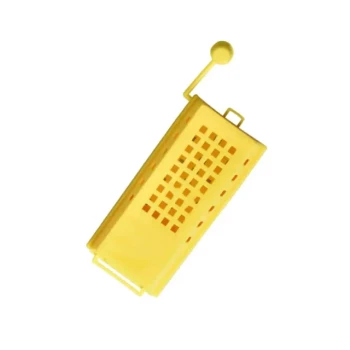
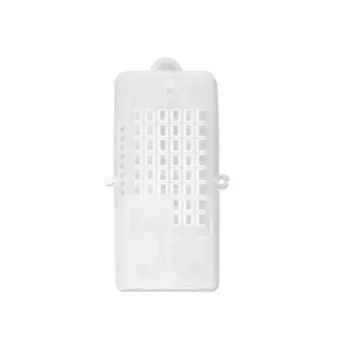
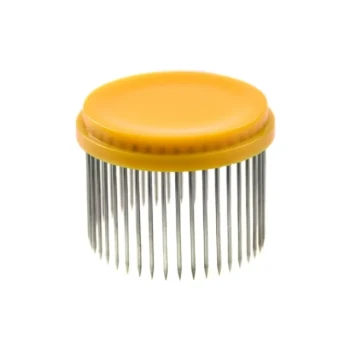
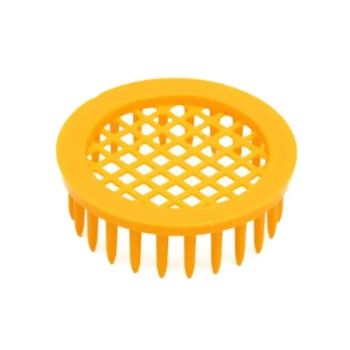
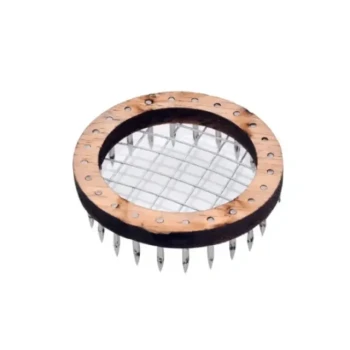
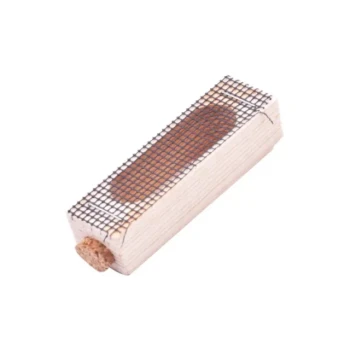
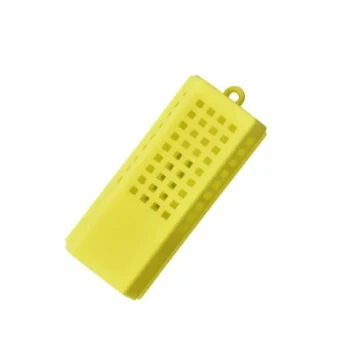
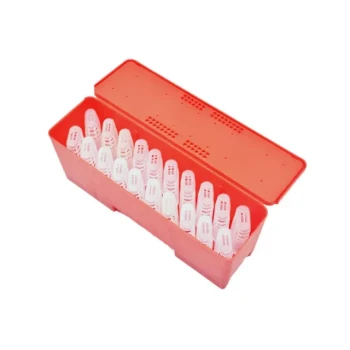
Using independent queen emergence cages is a non-negotiable step in professional queen rearing. These devices are typically installed on the ninth day after grafting to establish a physical barrier around maturing queen cells. Their primary function is to prevent the first virgin queen that emerges from acting on her natural instinct to destroy all other unhatched queen cells, thereby preserving the rest of the batch.
By isolating queen cells just before hatching, you override the colony's natural "survival of the fittest" mechanism. This ensures maximum survival rates while creating a controlled environment for inspecting the physical quality of every new queen.
Preserving Yield and Genetic Resources
The "First-to-Emerge" Threat
In a natural setting, the first virgin queen to hatch has a biological imperative to eliminate competition. She will seek out remaining queen cells and destroy them before her sisters can emerge.
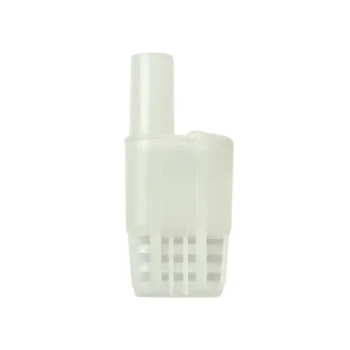
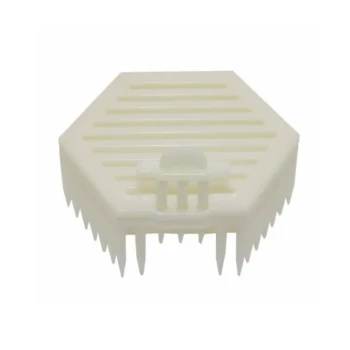
Without isolation cages, a single early emergence can result in the loss of an entire batch of queen cells. The cage creates a physical wall that contains the emerged queen, preventing this fratricide.
Protection from Worker Interference
It is not only the rival queens that pose a threat; worker bees can occasionally become aggressive toward queen cells.
Isolation cages shield the developing cells from worker bees who might otherwise tear down or damage the cells. This ensures the developing queen completes her metamorphosis without external disruption.
Facilitating Quality Control
Enabling Physical Inspection
Beyond simple protection, isolation cages transform the emergence process into a data gathering opportunity. Because the queens are contained, you can handle them individually without the chaos of searching through a colony.
This controlled access allows for precise quality metrics, such as weighing the virgin queens and measuring their body length. These physical attributes are critical indicators of reproductive potential.
Safe Environment for Maturation
The cages provide a safe "nursery" environment for the newly hatched virgins.
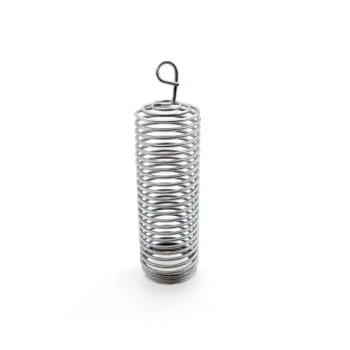
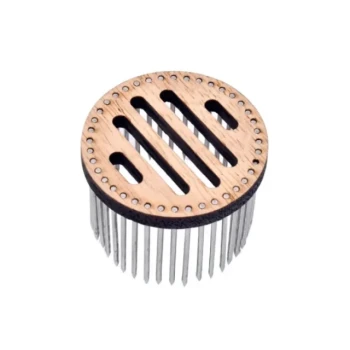
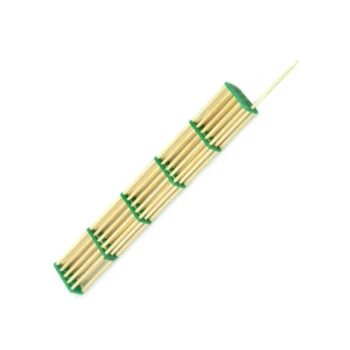
While isolated, specific designs (like hair roller cages) often feature mesh that allows worker bees to feed and care for the virgin queen through the barrier. This keeps the queen healthy and fed while maintaining strict separation.
Understanding the Trade-offs
Critical Timing Requirements
The effectiveness of these cages relies entirely on precision timing.
According to standard protocols, you must install these cages on the ninth day after grafting. If you act too late, a queen may have already emerged and begun destroying rivals; act too early, and you may mishandle fragile cells.
Equipment Intensity
Using independent cages shifts the operation from a collective colony approach to individualized management.
This requires a dedicated cage for every single cell you wish to preserve. While this increases the equipment and labor load, it is the only way to secure high-value genetic resources and maximize total yield.
Making the Right Choice for Your Goal
To get the most out of your queen rearing efforts, apply these cages based on your specific objectives:
- If your primary focus is maximizing yield: Install cages strictly on day nine to prevent the first emerged queen from culling your entire production batch.
- If your primary focus is genetic quality: Utilize the confinement provided by the cages to weigh and measure each virgin queen before introducing her to a mating nucleus.
Mastering the use of emergence cages turns the unpredictable chaos of hatching into a systematic, measurable process.
Summary Table:
| Feature | Purpose & Benefit |
|---|---|
| Protection | Prevents the first-emerged queen from destroying unhatched cells. |
| Worker Shield | Guards cells against potential worker bee aggression or accidental damage. |
| Quality Control | Enables individual inspection, weighing, and measuring of virgin queens. |
| Optimal Timing | Installed on day 9 after grafting for maximum safety and survival. |
| Care Access | Mesh designs allow workers to feed queens while maintaining isolation. |
Maximize Your Apiary's Potential with HONESTBEE
Success in professional queen rearing depends on precision and the right equipment. HONESTBEE is dedicated to supporting commercial apiaries and distributors with a comprehensive wholesale range of professional-grade beekeeping tools.
From queen isolation cages and hair roller cages to advanced honey-filling machines and hive-making hardware, we provide the full spectrum of equipment and consumables needed to scale your operations and protect your genetic resources. Partner with us to enhance your productivity and secure the highest quality yields.
Contact HONESTBEE today for wholesale inquiries and expert equipment solutions!
References
- Azza Helmy, Aml A. A. Abdelmawla. THE EFFECT OF GENETIC ORIGIN OF THE GRAFTED LARVAE AND REARING COLONIES ON THE ACCEPTANCE RATE, WEIGHT AND CELL LENGTH OF APIS MELLIFERA QUEENS.. DOI: 10.21608/fjard.2016.191277
This article is also based on technical information from HonestBee Knowledge Base .
Related Products
- Durable Galvanized Steel Spring Queen Bee Cage
- Professional Queen Cage with Sliding Gate and Feeder Plug
- Professional Queen Bee Introduction and Transport Cage
- Professional Multi-Functional Queen Bee Cage
- Professional Round Push-In Queen Cage with Metal Tines
People Also Ask
- Why are specialized queen bee cages used for the banking of mated queen bees? Maximize Commercial Apiary Storage Efficiency
- What is the mechanism of action for using temporary queen bee cages? Master Successful Queen Introduction
- What is the step-by-step process for installing a queen bee's cage onto a frame? Ensure Hive Acceptance Safely
- What is the optimal placement for a queen bee cage? Essential Strategies for Successful Re-queening
- What are the advantages and disadvantages of introducing a queen bee by embedding the cage? Boost Your Queen Acceptance