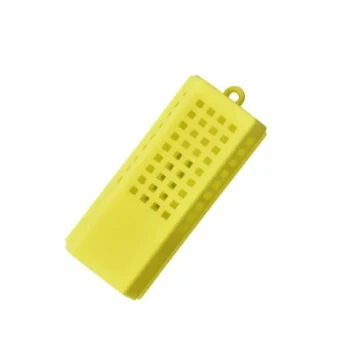
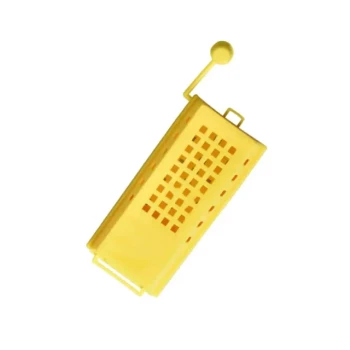
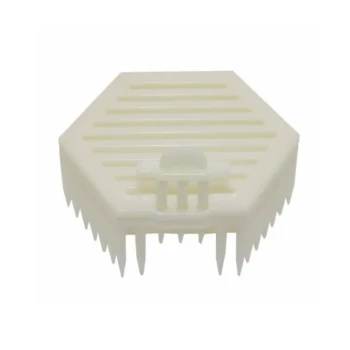
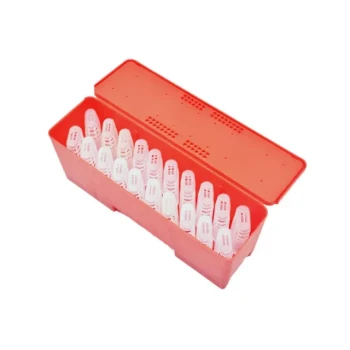
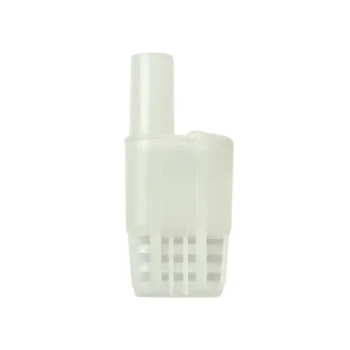
The primary advantage of using a push-in cage (often called a press-in cage) is that it enables the queen to begin laying eggs while still protected inside the cage. This biological activity makes her significantly more attractive to the colony than a confined, non-laying queen, resulting in one of the highest success rates for queen introduction.
By allowing the queen to establish a laying pattern on the comb before full release, the push-in cage transforms her from a foreign intruder into a productive asset, drastically reducing the likelihood of rejection or aggression.
The Mechanics of Superior Acceptance
The Pheromone Shift
A queen that is actively laying eggs produces a specific pheromone profile that signals health and utility to the colony.
Standard shipping cages keep the queen confined without access to comb, preventing her from laying. The push-in cage solves this by giving her immediate access to empty cells, allowing her to ramp up egg production and integrate her scent with the hive before the workers can physically reach her.
Creating a "Micro-Colony"
The push-in cage is placed over emerging brood (capped pupae about to hatch) and honey.
As these young bees hatch inside the cage, they have no allegiance to the previous queen. They immediately accept the new queen, groom her, and feed her. This creates a safe, supportive retinue that cares for her during the critical acclimation period.
Reduced Aggression
Adult bees outside the cage cannot reach the queen to "ball" (attack/overheat) her.
During the several days she is confined, the aggressive field bees become accustomed to her pheromones. By the time the cage is removed, the colony perceives her as the established, laying mother of the hive.
Operational Requirements for Success
Proper Frame Selection
To work effectively, the cage must be placed on a specific area of the comb.
You must locate a patch of capped brood that is about to emerge, ensuring there are also empty cells for laying and open nectar/honey cells for food.
Ensuring a Secure Seal
The physical installation of the cage is the most critical step.
The cage must be pressed deeply into the wax to the mid-rib of the foundation. You must ensure the comb surface is flat; any holes or uneven burr comb can create gaps that allow aggressive adult bees to enter and kill the queen.
Exclusion of Adult Bees
When placing the cage, you must ensure no adult bees are trapped inside with the queen.
Only the queen and the brood about to hatch should be inside. Adult bees trapped inside are likely to view her as a threat and may attack her within the confined space.
Understanding the Trade-offs
Increased Labor and Complexity
Unlike a standard mailing cage, which can be inserted in seconds, a push-in cage requires preparation.
You must shake bees off the frame to find a suitable spot, which can be disruptive. It also requires you to handle the queen or manipulate her onto the comb, which carries a risk of injury if not done with precision.
Comb Damage
Pressing the metal or plastic edges of the cage into the wax cuts the comb.
While bees will eventually repair this, it does cause minor destruction to the drawn comb structure on that specific frame.
Making the Right Choice for Your Goal
When deciding whether to use a push-in cage versus a standard hanging cage, consider your priorities:
- If your primary focus is protecting a high-value or expensive queen: Use the push-in cage to maximize the biological probability of acceptance through immediate egg-laying.
- If your primary focus is speed and minimal hive disturbance: Use a standard mailing/candy cage, accepting a slightly higher risk of rejection for the sake of convenience.
The push-in cage remains the most reliable method for beekeepers who prioritize the queen's survival over the speed of the operation.
Summary Table:
| Feature | Push-in Cage | Standard Mailing Cage |
|---|---|---|
| Queen Activity | Can lay eggs immediately | Confined, non-laying |
| Success Rate | Very High (Superior) | Moderate |
| Protection | Protected by emerging brood | Protected by mesh/candy |
| Setup Time | Higher (Requires frame selection) | Low (Fast insertion) |
| Risk of Rejection | Minimal due to pheromone shift | Higher (Viewed as intruder) |
Secure Your Apiary's Future with Premium Beekeeping Solutions
Success in queen introduction is the backbone of a productive hive, and at HONESTBEE, we understand the precision required for professional beekeeping. Whether you are managing large-scale commercial apiaries or supplying the industry as a distributor, we provide the high-quality tools and machinery you need to thrive.
From specialized queen cages and hive-making equipment to honey-filling machines and essential consumables, HONESTBEE delivers a comprehensive wholesale portfolio designed for durability and performance.
Ready to elevate your honey production? Contact us today to discover how our professional-grade equipment and industry expertise can streamline your operations and maximize your yields!
Related Products
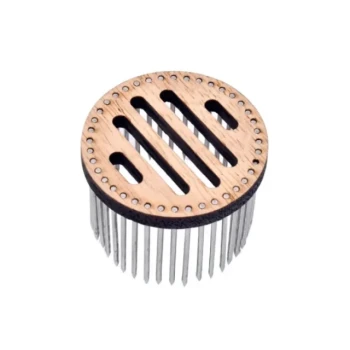
- Premium Wood and Steel Push In Queen Cage
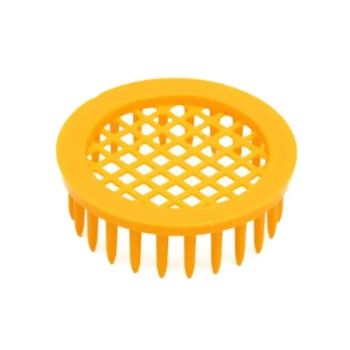
- Durable Plastic Push In Queen Bee Cage
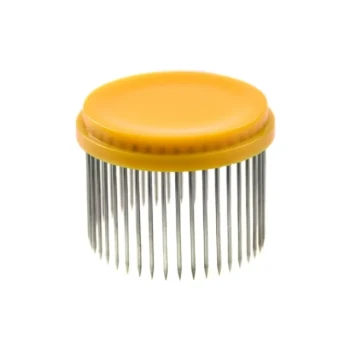
- Professional Round Push-In Queen Cage with Metal Tines
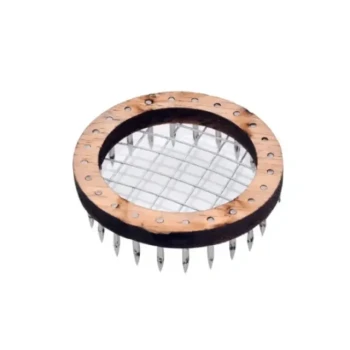
- Wood and Mesh Push-In Queen Cage
- JZBZ Push-In Queen Cell Cups for Beekeeping
People Also Ask
- What advantages do push-in queen cages offer? Boost Acceptance Rates for Artificially Inseminated Queens
- What is a push-in queen cage and how does it differ from a standard queen cage? Boosting Your Queen Acceptance Rates
- What is a push-in queen cage and how does it differ from standard cages? Achieve Higher Queen Acceptance Rates
- How can a beekeeper obtain a push-in queen cage? DIY vs. Professional Sourcing Guide
- When is a queen introduced with a push-in cage ready for full release? Key Signs for Maximum Colony Acceptance