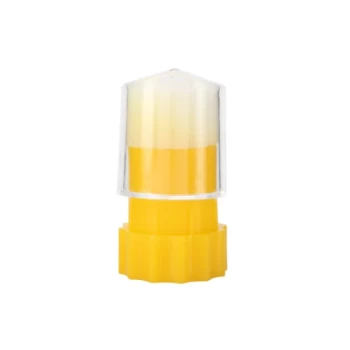
Priming media acts as a critical biological bridge between artificial manipulation and natural colony care. It is applied to the bottom of queen cell cups to create a protective micro-environment that prevents the fragile larvae from dehydrating during the transfer process. Furthermore, the presence of these fluids—whether royal jelly, syrup, or specific acidic substrates—simulates the scent and nutrition of a natural queen cell, triggering nurse bees to accept and feed the grafted larvae significantly faster.
The central purpose of priming is to maximize the acceptance rate of grafted larvae. It achieves this by buffering the larvae against desiccation and providing immediate chemical cues that induce nurse bees to begin their care and modification of the artificial cells.
The Biological Mechanics of Priming
Preventing Larval Dehydration
The most immediate risk to a grafted larva is desiccation. A dry plastic or wax cup offers zero humidity protection during the grafting interval.
By adding a liquid substrate, you create a humid reservoir at the base of the cell. This moisture barrier is essential for keeping the larva’s cuticle soft and permeable, preventing mortality caused by exposure to dry air.
Inducing Nurse Bee Acceptance
Artificial cell cups lack the specific chemical signature of a natural queen cell. Without this scent, the colony may delay feeding or reject the graft entirely.
Priming media, particularly diluted royal jelly, provides the necessary olfactory cue. The scent mimics a natural environment, signaling nurse bees to immediately attend to the larva, modify the wax cell, and begin heavy feeding.
Providing Initial Nutritional Support
Larvae have high metabolic rates and require constant nourishment. The gap between grafting and nurse bee arrival can starve the larva.
Media such as royal jelly or syrup provides a temporary nutritional stopgap. This ensures the larva has immediate access to food energy before the colony fully adopts the cell.
Regulating the Physical Environment
Buffering Against Mechanical Damage
Placing a microscopic larva directly onto a hard, dry surface can cause physical trauma.
The priming liquid acts as a hydraulic cushion. This allows the grafting tool to release the larva gently onto a soft surface, minimizing the risk of crushing or injuring delicate tissues.
Physicochemical Regulation
Beyond simple moisture, the chemical composition of the environment matters.
Specific substrates, such as apple juice, provide an acidic environment that helps regulate the physicochemical conditions within the cup. This acidity closely mimics natural conditions, further encouraging worker bees to accept the graft.
Understanding the Trade-offs
The Risk of Drowning
While moisture is critical, volume control is equally important. A common error is applying too much priming fluid.
If the liquid is too deep, the larva may "roll" or become submerged, leading to drowning. The goal is to create a thin film or droplet that the larva floats on, not in.
The Replacement Factor
It is important to note that the priming media is not the permanent diet for the developing queen.
Nurse bees will eventually remove the priming liquid and replace it with fresh, colony-produced royal jelly. Therefore, the primer is a temporary tool to facilitate acceptance, not a substitute for the colony's natural nutrition.
Making the Right Choice for Your Goal
Selecting the correct priming strategy depends on the resources available and the specific challenges of your grafting environment.
- If your primary focus is maximizing acceptance rates: Use a 1:1 diluted royal jelly solution to leverage the powerful scent cues that trigger immediate nurse bee attention.
- If your primary focus is preventing dehydration in dry climates: Use apple juice or plain water to establish a high-humidity micro-environment without expending royal jelly resources.
By properly priming your queen cups, you transform a sterile piece of plastic into a chemically and physically inviting nursery, dramatically increasing your success in queen rearing.
Summary Table:
| Priming Media | Primary Benefit | Best Used For |
|---|---|---|
| Diluted Royal Jelly (1:1) | Chemical/Olfactory Cues | Maximizing acceptance & nurse bee attention |
| Apple Juice | Acidic pH & Humidity | Regulating physical conditions & mimicking nature |
| Plain Water | Hydration | Preventing desiccation in hot, dry climates |
| Sugar Syrup | Nutritional Stopgap | Providing energy before colony feeding begins |
Maximize Your Colony’s Potential with HONESTBEE
Successful queen rearing starts with the right tools and techniques. At HONESTBEE, we specialize in supporting commercial apiaries and distributors with a comprehensive range of professional beekeeping solutions. From high-quality artificial queen cell cups and grafting tools to advanced honey-filling machinery and hive-making equipment, we provide everything needed to scale your operations.
Partner with us to access a robust wholesale inventory of industry-essential consumables and specialized hardware designed for efficiency. Contact HONESTBEE today to discover how our premium supplies and expertise can streamline your production and grow your beekeeping business.
References
- Ajay Sharma, Anju Sharma. Evaluation of priming media and queen cup material on larval graft acceptance and queen emergence in Apis mellifera L.. DOI: 10.22271/j.ento.2020.v8.i4q.7268
This article is also based on technical information from HonestBee Knowledge Base .
Related Products
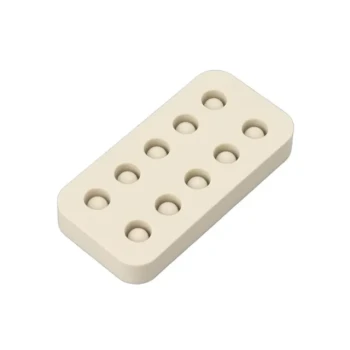
- 10-Cell Silicone Beeswax Bee Queen Cups Forming Mold
- JZBZ Type Wide Base Plastic Queen Cell Cups for Base Mounting and Queen Rearing
- Brown Nicot Queen Cell Cups for Breeding Queen Bees Beekeeping
- JZBZ Push-In Queen Cell Cups for Beekeeping
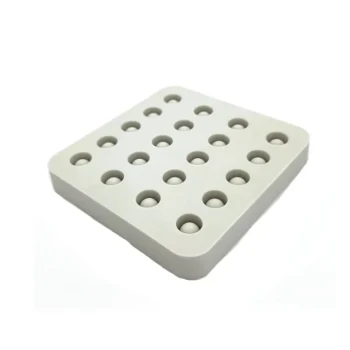
- High-Efficiency 20-Cell Silicone Mold for Beeswax Bee Queen Cup Production
People Also Ask
- How do beeswax queen cell cups function? Optimize Queen Rearing with Biological Mimicry
- What is the biological function of beeswax queen cell cups? Boost Acceptance in Artificial Queen Rearing
- What role do specialized queen rearing tools play in developing mite-resistant honeybee stock? Master Genetic Selection
- What materials are used to make artificial queen cell cups for grafting? Beeswax vs. Plastic Guide
- What roles do specialized queen cell cups play in royal jelly production? Optimize Your Hive's Secretion and Yield