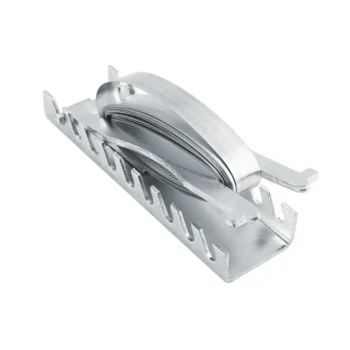
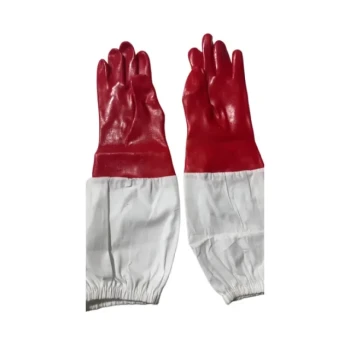
Professional protective gear functions as the critical operational interface between the beekeeper and the colony. It transforms a potentially volatile environment into a controlled production zone by combining physical barriers—such as suits and veils—with behavioral control tools like bee smokers to ensure operator safety.
Protective gear is not merely a safety precaution; it is a production asset that minimizes operational friction. By neutralizing the risk of stings and regulating colony behavior, this equipment enables the precise, efficient workflows required for high-quality honey harvesting and detailed hive inspections.
The Mechanics of Safety and Control
The Physical Barrier
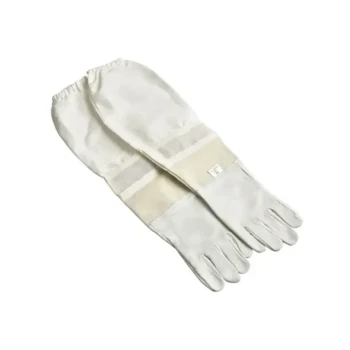
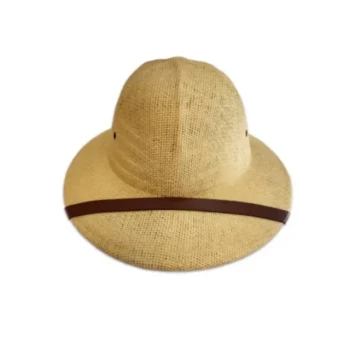
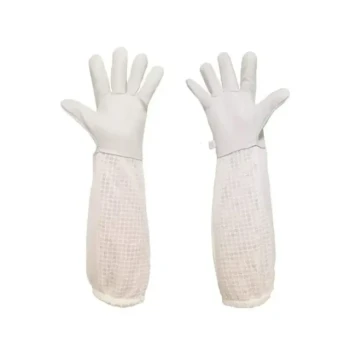
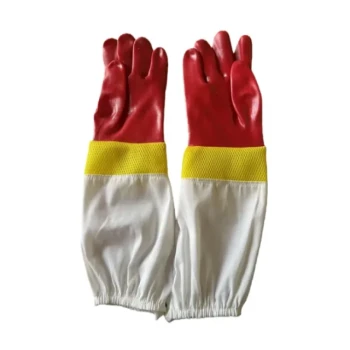
Professional-grade protective clothing, including veils, coveralls, and gloves, creates a comprehensive shield against stings.
This gear utilizes high-strength fabrics and mesh to protect the operator's body. By establishing a reliable physical boundary, beekeepers can work closely with colonies for extended periods without injury.
Behavioral Management via Smokers
The definition of "protective gear" in professional operations extends to the bee smoker.
According to the primary technical standard, smokers generate smoke to disrupt the alarm pheromones of the bees. This chemical interruption keeps the colony in a calm state, actively preventing defensive swarming behavior before it begins.
Operational Impact on Production
Enhancing Workflow Efficiency
The primary value of this gear lies in how it improves execution efficiency.
When the risk of injury is mitigated and the colony is calm, the difficulty of hive management drops significantly. This allows technicians to perform complex tasks, such as queen finding or grafting, without interruption.
Precision and Quality Control
Safety assurance allows for delicate harvesting tasks rather than rushed, destructive methods.
With the confidence provided by professional gear, beekeepers can perform detailed inspections and precise extractions. This directly improves the quality of the honey and protects the structural integrity of the colony for future cycles.
The Psychological Component
Protective gear serves as essential hardware for overcoming the fear of stings.
It creates a psychological safety net that allows technicians to remain calm. A calm operator makes fewer errors, ensuring a continuous and professional production workflow that is less prone to accidents or hive damage.
Understanding the Trade-offs
Dexterity vs. Protection
There is an inherent inverse relationship between material thickness and manual dexterity.
While thick gloves provide maximum protection, they can numb tactile feedback, making it difficult to handle fragile frames or queen bees without crushing them. Operators often must balance the need for safety with the need for fine motor control.
Thermal Management
Comprehensive physical barriers can lead to heat stress during summer operations.
High-strength fabrics that prevent stings often restrict airflow. In hot climates, this can limit the duration a beekeeper can safely work before risking heat exhaustion, potentially creating a bottleneck in daily productivity.
Making the Right Choice for Your Operations
Selecting the right protective gear depends on the specific phase of production and the experience level of the operator.
- If your primary focus is delicate hive inspections: Prioritize gear that offers high dexterity, particularly in glove selection, to ensure precision handling of queens and frames.
- If your primary focus is large-scale harvesting: Prioritize maximum coverage and durability to withstand high-volume activity and potentially aggressive colony behavior.
Ultimately, professional protective gear is the investment that converts a biological hazard into a sustainable and efficient business asset.
Summary Table:
| Feature | Functionality | Production Impact |
|---|---|---|
| Physical Barriers | Veils, suits, and gloves provide a sting-proof shield | Enables longer, uninterrupted hive inspections |
| Bee Smokers | Disrupts alarm pheromones to calm the colony | Prevents defensive swarming and reduces colony stress |
| Ergonomic Design | Balances material thickness with manual dexterity | Facilitates precision tasks like queen grafting |
| Safety Assurance | Minimizes injury risk and heat stress management | Improves operator confidence and workflow consistency |
Elevate Your Commercial Beekeeping Standards with HONESTBEE
At HONESTBEE, we understand that professional protective gear is more than safety equipment—it is a vital production asset. As a leading partner for commercial apiaries and distributors, we provide a comprehensive wholesale catalog including professional-grade suits, smokers, and high-precision beekeeping machinery.
Whether you are scaling your honey-filling operations or outfitting a large-scale workforce, our tools are designed to reduce operational friction and maximize your harvest quality. Contact us today to discover how our specialized hardware and industry consumables can secure your production success.
References
- Yahaya Zira Dia, AAU Jongur. Economics of Beekeeping in Ganye Local Government Area of Adamawa State, Nigeria. DOI: 10.15580/gjas.2018.7.071318096
This article is also based on technical information from HonestBee Knowledge Base .
Related Products
- Premium Cowboy Beekeeper Hat with Visibility Veil Outdoor Professional Beekeeping Protective Gear
- Premium Cotton Beekeeper Suit with Reinforced Fencing Veil
- Goat Skin Leather Bee Sting Proof Beekeeping Gloves with Canvas Sleeve
- Beekeeping Gloves Goatskin Leather with Long Cotton Sleeve for Beekeepers
- Beekeeper Cowboy Hat and Veil for Beekeeping
People Also Ask
- What design features contribute to the stability and fit of the beekeeper hat? Key Features for Maximum Hive Safety
- How is the beekeeper hat designed for comfort and practicality? Explore Key Features for Enhanced Apiary Safety
- What is the general protective gear recommendation for new beekeepers? Your Essential Beginner's Safety Guide
- How does beekeeping protective gear facilitate the queen bee selection process? Enhancing Precision in Queen Breeding
- What should beekeepers consider when choosing protective gear? A Guide for Maximum Safety & Comfort