Leather is a biological material that inevitably degrades without intervention, especially when subjected to the harsh environment of a commercial apiary. Regular maintenance is necessary to strip away accumulations of propolis, wax, honey, and hive debris that otherwise cause the material to stiffen and fail. Without consistent cleaning and conditioning, the gloves lose the flexibility required for safe and efficient hive management.
The accumulation of sticky hive residues compromises the tactile sensitivity and flexibility of leather gloves. Regular maintenance is not merely cosmetic; it is a structural necessity to prevent material deterioration and ensure the dexterity required for precise commercial beekeeping.
The Destructive Nature of Hive Debris
Propolis and Wax Accumulation
Propolis is a resinous substance that becomes incredibly sticky and hardens over time. If left on the gloves, it acts like a cement, binding the leather fibers together. This buildup creates a rigid surface that makes gripping frames difficult and uncomfortable.
Honey and Organic Residue
Honey and other organic fluids attract dirt and retain moisture against the leather. This environment promotes the deterioration of the animal skin itself. Over time, these residues can cause the leather to rot or develop mold, ruining the structural integrity of the glove.
Embedded Stingers
During commercial operations, gloves act as the primary defense against defensive colonies. Bee stingers frequently become embedded in the leather surface. Regular maintenance ensures these are identified and removed before they work deeper into the material or injure the operator.
Preserving Operational Capabilities
Maintaining Material Flexibility
The primary advantage of leather is its balance of protection and dexterity. However, when leather dries out or is caked in debris, it becomes stiff and unyielding. Regular conditioning replaces lost natural oils, keeping the material soft and pliable for delicate work.
Ensuring Tactile Sensitivity
Commercial beekeeping requires handling thousands of frames with precision to avoid crushing bees or queen cells. Sticky, dirty gloves act as a barrier to tactile feedback. specific cleaning protocols remove these residues, restoring the "feel" necessary for high-speed hive management.
Understanding the Trade-offs
Maintenance Time vs. Equipment Lifespan
While leather offers superior durability compared to many synthetics, it demands a "time tax" for upkeep. In a commercial setting, you must weigh the labor cost of cleaning gloves against the replacement cost of buying new pairs frequently due to neglect.
The Risk of Improper Conditioning
There is a balance to be struck when treating leather. While dry leather cracks, over-conditioning with too much oil can make gloves slippery. A loss of friction can be dangerous when lifting heavy hive boxes, potentially leading to dropped equipment or injury.
Optimizing Gear for Commercial Success
Effective apiary management relies on equipment that functions as an extension of the operator.
- If your primary focus is equipment longevity: Establish a routine to scrape propolis and clean organic matter immediately after use to prevent permanent fiber damage.
- If your primary focus is operational speed: Prioritize regular conditioning to ensure maximum flexibility, preventing stiff gear from slowing down your hive inspections.
Treat your protective gear with the same discipline as your hive tools, and it will deliver the reliability needed for large-scale operations.
Summary Table:
| Factor | Impact of Neglect | Benefit of Maintenance |
|---|---|---|
| Material State | Stiffens, cracks, and degrades | Remains soft, pliable, and durable |
| Hive Residue | Propolis and wax cement fibers | Clean surface for better grip |
| Tactile Feel | Loss of sensitivity; risks crushing bees | Precise handling of frames and queens |
| Safety | Embedded stingers and mold growth | Hygienic and secure hand protection |
Maximize Your Apiary Efficiency with HONESTBEE
At HONESTBEE, we understand that commercial success in beekeeping hinges on reliable, high-performance equipment. As a leading provider for commercial apiaries and global distributors, we offer a comprehensive wholesale range including premium leather protective gear, honey-filling machinery, and hive-making tools.
Don't let neglected gear slow down your operations or increase your replacement costs. Our team is dedicated to supplying the specialized hardware and essential consumables you need to scale your business effectively. Contact us today to explore our full spectrum of beekeeping solutions and discover how our expertise can support your growth.
Related Products
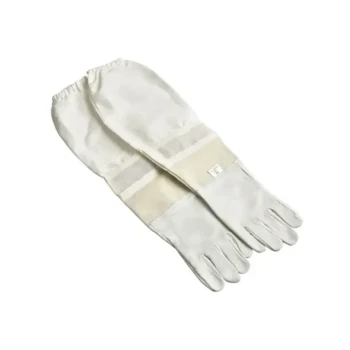
- Goatskin Leather Beekeeper Gloves with Vent Long Sleeve for Beekeeping Honey Bee Sting Proof Protection
- Beekeeping Gloves Goatskin Leather with Long Cotton Sleeve for Beekeepers
- Goat Skin Leather Bee Sting Proof Beekeeping Gloves with Canvas Sleeve
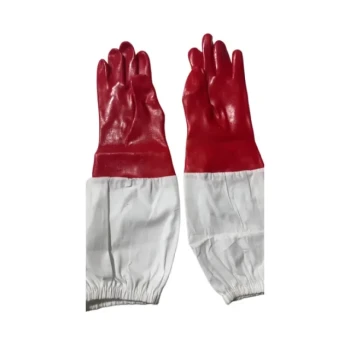
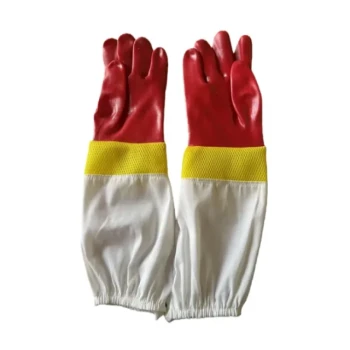
- Heavy Duty Red Rubber Beekeeping Gloves with Extended Pure Cotton Sleeves for Beekeepers
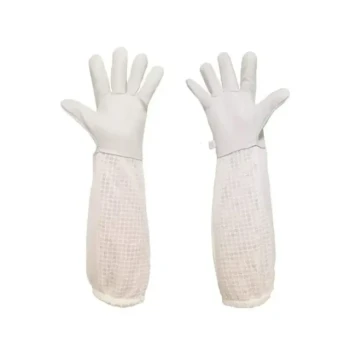
- Premium Ventilated Goatskin Beekeeping Gloves with Full 3-Layer Mesh Sleeve
People Also Ask
- What are the characteristics of goatskin beekeeping gloves? Enhance Dexterity and Protection in Your Apiary
- Why is it important to have gloves available even if not always worn? Essential Risk Management for Beekeepers
- What are the primary purposes of using beekeeping gloves? Protect Your Hands and Ensure Apiary Hygiene
- Why do some experienced beekeepers opt not to wear gloves? Discover the Benefits of Tactile Precision
- Why is it important for beekeepers to wear gloves? Essential Safety and Confidence for Hive Management