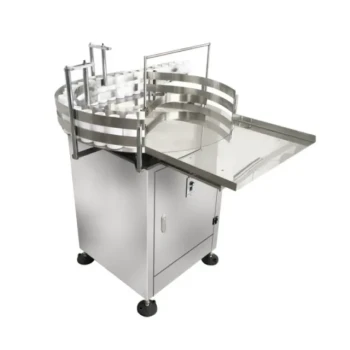
The configuration of automatic feeding equipment is recommended because it guarantees the consistent, precise delivery of nutritional support and medication necessary to suppress Nosemosis. This hardware ensures that colonies maintain critical energy reserves during periods of scarcity, directly countering the biological stress that allows the disease to thrive.
Core Takeaway: Nosemosis exploits weakened colonies, particularly during winter or food shortages. Automatic feeding equipment serves as an essential biosecurity tool by maintaining colony vigor through continuous, regulated intake of medicated syrups and immune-boosting additives.
The Role of Consistent Nutrition in Disease Control
Combatting Resource Scarcity
Nosemosis outbreaks often coincide with periods of nectar and pollen scarcity. Automatic feeders bridge this gap by providing a reliable food source when natural foraging is impossible.
Maintaining Energy Reserves
To fight infection, bees require substantial metabolic energy. Automatic equipment ensures the colony maintains the necessary energy reserves to function, preventing the physical decline associated with starvation and disease.
Boosting Individual Immunity
Well-nourished bees have stronger immune responses. By stabilizing the colony's nutritional intake, automatic feeding effectively boosts individual immunity, making bees more resilient to the proliferation of Nosema spores.
Precision Delivery of Treatment
Optimized Medication Administration
Effective treatment often requires dissolving antibiotics, such as fumagillin, or health-enhancing herbal additives directly into sugar syrup. Automatic feeders ensure that this medicated syrup is delivered at a consistent rate.
Targeting the Infection Site
Fumagillin works by inhibiting the reproduction of microsporidia in the bee's midgut. Continuous feeding through automatic systems ensures the medication reaches the digestive tract, creating a biochemical barrier against the spores.
Reducing Winter Mortality
The combination of sufficient energy and active medication prevents premature death during long winter periods. This technology is critical for ensuring colony survival when manual intervention is difficult or disruptive.
Understanding the Trade-offs
The Necessity of Proper Configuration
While automatic feeders offer precision, they are only as effective as their configuration. Incorrect calibration can lead to under-dosing medication (rendering it ineffective) or over-dosing (wasting resources).
Equipment Maintenance and Biosecurity
Adding hardware to a hive introduces a need for strict sanitation. If the feeding equipment is not maintained, it can become a vector for other contaminants, undermining the biosecurity management it is meant to support.
Making the Right Choice for Your Goal
To effectively utilize automatic feeding equipment for Nosemosis control, consider your specific objective:
- If your primary focus is Prevention: Configure the equipment to deliver health-enhancing herbal additives and supplemental syrup during early autumn to build fat reserves before scarcity hits.
- If your primary focus is Active Treatment: Utilize the equipment to deliver precise dosages of fumagillin-treated syrup to inhibit spore reproduction in the midgut and halt colony decline.
Strategic use of automatic feeding transforms nutrition from a variable factor into a controlled defense mechanism against Nosemosis.
Summary Table:
| Feature | Benefit for Nosemosis Prevention & Control |
|---|---|
| Consistent Nutrition | Bridges nectar gaps and maintains critical energy reserves. |
| Precision Delivery | Ensures accurate dosing of fumagillin and immune-boosting additives. |
| Targeted Treatment | Delivers medication directly to the bee's midgut to inhibit spores. |
| Winter Stability | Reduces mortality by providing food and medicine during cold periods. |
| Reduced Labor | Minimizes hive disruption and manual intervention during treatment cycles. |
Scaling Your Beekeeping Success with HONESTBEE
Effective disease management starts with the right infrastructure. HONESTBEE specializes in supporting commercial apiaries and distributors with a comprehensive range of professional-grade beekeeping tools and industrial machinery.
Whether you need automated hive-making and honey-filling machines to optimize production, or specialized feeding systems and consumables to safeguard colony health, we provide the hardware necessary to scale your operations. Our expert-selected portfolio ensures your bees remain resilient and your yields remain high.
Ready to upgrade your apiary’s biosecurity? Contact our expert team today to discuss wholesale solutions tailored to your professional needs.
References
- Alessandra De Carolis, Giovanni Formato. A Comprehensive Analysis of Beekeeping Risks and Validation of Biosecurity Measures against Major Infectious Diseases in Apis mellifera in Europe. DOI: 10.3390/agriculture14030393
This article is also based on technical information from HonestBee Knowledge Base .
Related Products
- Automated Rotary Bottle Unscrambler for Honey Production Line
- Automatic Honey Filling and Filtering Machine for Beekeeping Bottle Filling
- HONESTBEE Professional Hive Top Bee Feeder Feeding Solution
- HONESTBEE Entrance Bee Feeder Efficient Hive Front Liquid Feeding Solution for Beekeeping
- Professional In-Hive Bee Feeder HONESTBEE Frame for Beekeeping
People Also Ask
- How does a rotational viscometer contribute to the quality assessment of honey? Ensure Perfect Texture and Flow
- How does the improper operation of Knapsack Sprayers impact beekeeping? Protect Colony Health & Equipment Integrity
- What types of products are best suited for a gravity-fed volumetric filling system? Optimize Your Honey Packaging
- How does the use of a laboratory vortex mixer with a multi-tube adapter improve bee pathogen detection throughput?
- What is the role of the mortar and pestle in the initial preparation of propolis extracts? Maximize Bioactive Recovery