The hanging installation method is the preferred choice for modern apiaries because it provides complete physical isolation from ground-level threats while optimizing the hive's microclimate. This suspension technique—utilizing specialized steel wires or ropes—blocks access for terrestrial predators, prevents moisture-driven equipment decay, and significantly improves airflow. By decoupling the colony from the ground, commercial operations can ensure higher honey yields and lower replacement costs for hive components.
The hanging method transforms beehive management by creating a secure, elevated environment that mitigates the primary causes of colony loss and equipment failure. This approach is a strategic investment for commercial apiaries looking to standardize production and maximize the service life of their hardware.
Superior Biological and Physical Protection
Mitigation of Terrestrial Predators
Suspending beehives creates a definitive physical barrier against ground-dwelling pests such as ants, lizards, toads, and rodents. These predators often infiltrate ground-based hives to consume honey or prey on the bees, leading to colony stress or abandonment.
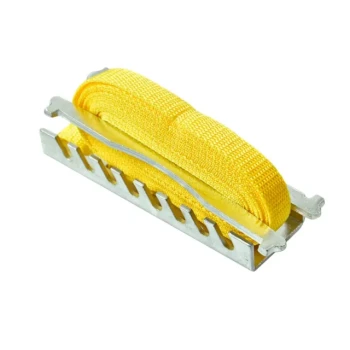
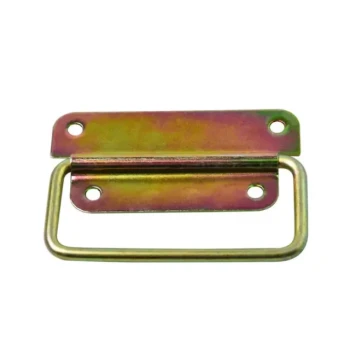
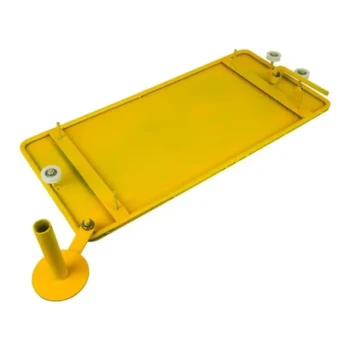
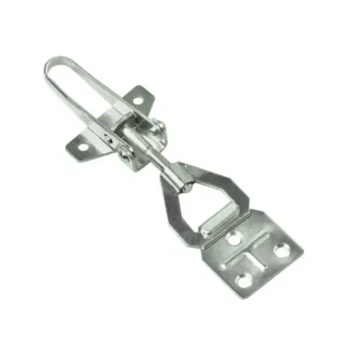
By using specialized hanging brackets, beekeepers can effectively block the entry paths of larger threats like honey badgers. This isolation ensures a safer production environment, allowing the colony to focus on foraging rather than defense.
Prevention of Pest Infestations
Elevating the hive prevents crawling insects, specifically termites, from accessing the wooden structures of the hive body. This is a critical factor in maintaining the structural integrity of the apiary over several seasons.
Physical isolation also reduces the likelihood of ground-based fungal spores reaching the hive. This proactive measure safeguards the biological safety of the colony by minimizing the risk of infections associated with damp soil.
Environmental Regulation and Equipment Longevity
Optimized Ventilation and Humidity Control
Hanging systems allow for 360-degree air circulation, which is vital for regulating internal hive humidity. Proper airflow prevents the buildup of dampness that leads to mold and fungal growth within the brood chamber.
Under shade or specialized covers, this increased ventilation helps the bees maintain a stable internal temperature. This reduces the energy the colony must expend on cooling, directly translating to higher efficiency in honey production.
Extension of Equipment Service Life
Ground moisture is a leading cause of rot and erosion in wooden beehives. By suspending the units, beekeepers eliminate direct contact with wet soil, effectively extending the durability of the hive materials.
Standardized modern beehives represent a significant capital investment. Protecting these assets from moisture-induced degradation through hanging installations ensures a higher return on investment for commercial distributors and their clients.
Strategic Operational Advantages
Safety for Humans and Livestock
Suspending hives at specific heights allows beekeepers to regulate bee flight paths. This keeps the bees' activity above the level of human and agricultural traffic, reducing the risk of accidental stings.
This elevation also protects the equipment from human-induced damage, such as accidental impacts from lawnmowers or livestock. It creates a controlled zone that stabilizes the entire beekeeping operation.
Efficiency in Modern Apiary Management
The hanging method complements the use of movable frames and standardized designs. These features facilitate rapid inspections and efficient honey extraction, which are the cornerstones of scaling a commercial operation.
For distributors, offering specialized hanging hardware alongside modern hives provides a comprehensive sourcing solution. This full-spectrum approach meets the deep technical needs of professional beekeepers who prioritize operational efficiency and rapid order fulfillment.
Understanding the Trade-offs
Structural Stability and Wind Resistance
While suspension offers protection from the ground, it introduces vulnerability to high winds. Hives that are not properly weighted or secured with tensioned wires can sway, potentially disrupting the colony or causing structural failure.
Initial Setup Complexity
The hanging method requires a higher initial investment in specialized hardware and labor compared to traditional ground stands. Resellers should frame this as a long-term cost-saving measure due to reduced equipment replacement and higher hive productivity.
Applying This to Your Apiary Strategy
Modern beekeeping requires a balance between biological safety and operational durability. Choosing the right installation hardware is as critical as the hive design itself.
- If your primary focus is maximizing equipment lifespan: Prioritize hanging systems with corrosion-resistant steel wires to eliminate ground-moisture rot.
- If your primary focus is high-yield commercial production: Utilize suspended installations to optimize hive ventilation and reduce colony energy expenditure on temperature regulation.
- If your primary focus is site safety and liability: Implement hanging brackets to elevate flight paths and isolate the colony from livestock and human activity.
The transition to hanging installation methods represents a commitment to technical excellence and long-term apiary stability.
Summary Table:
| Feature | Ground-Based Method | Hanging Installation Method | Commercial Benefit |
|---|---|---|---|
| Predator Control | Vulnerable to ants, rodents & toads | Physical isolation from ground threats | Reduced colony loss and stress |
| Moisture Resistance | High risk of wood rot and mold | Zero soil contact; dry environment | Extended hive service life (Higher ROI) |
| Air Circulation | Limited airflow at base | 360-degree ventilation | Better humidity control & honey yields |
| Safety & Flight | Lower flight paths; sting risk | Regulated flight above traffic | Safer for livestock and personnel |
| Maintenance | Rapid equipment degradation | Durable, long-term stability | Lower replacement costs for hardware |
Scale Your Apiary Supply with HONESTBEE
At HONESTBEE, we empower distributors, wholesalers, and B2B resellers with a one-stop sourcing solution for the entire beekeeping ecosystem. Whether you need specialized hive-making machinery, honey-filling equipment, or high-durability consumables, our comprehensive full-spectrum portfolio is designed to maximize your profit margins.
Why Partner with Us?
- Deep Industry Expertise: Professional guidance on modern apiary hardware and hanging systems.
- Premium Service: Dedicated support with rapid response times and OEM/ODM capabilities.
- Efficient Fulfillment: Ultra-fast delivery to ensure your inventory stays stocked and reliable.
Take advantage of our premium trading services and reliable supply chain. Contact us today to receive our wholesale catalog and expert consultation!
References
- Siti Anom Ahmad, J. Suleiman J. Suleiman. Honeybees: The Year's Most Prominent Guests: An Examination of Contemporary Apiaries in Sokoto State, Nigeria. DOI: 10.57233/ijsgs.v10i2.638
This article is also based on technical information from HonestBee Knowledge Base .
Related Products
- Heavy-Duty Stainless Steel Clip-On Frame Perch
- Professional Galvanized Steel Frame Rest for Beehives
- Wooden Bee Hive Frames for Beekeeping and Wholesale
- Multi-Functional Sliding Hive Entrance for Beekeeping
- Assembled Wooden Bee Frames with Plastic Foundation for Durability and Convenience by HONESTBEE
People Also Ask
- How many frames can the beehive frame perch hold? Organize Your Hive Inspections with Ease
- What is the purpose of the frame perch? A Game-Changer for Efficient Hive Inspections
- What is the purpose of the beehive frame perch? Improve Hive Inspection Safety & Efficiency
- What is the function of a beehive frame perch? Essential Tool for Efficient Inspections and Queen Safety
- What are the features and purpose of a beehive frame perch? Enhance Hive Inspections with the Right Tools