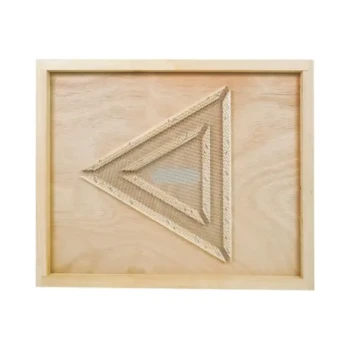
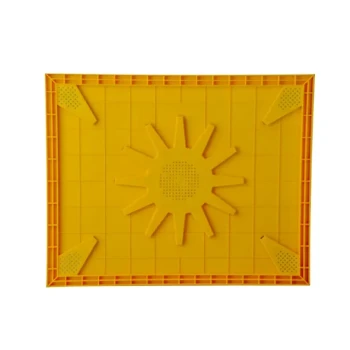
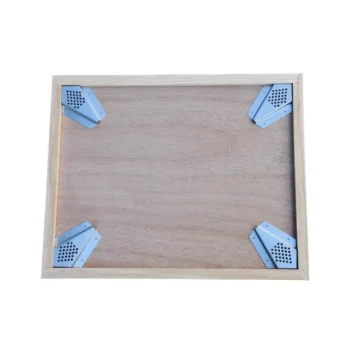
The structural integrity of the beehive bottom board is the first line of defense against infestation. Greater Wax Moths are drawn to the scent of beeswax and instinctively target cracks and crevices in the hive floor as primary sites for egg-laying. By reinforcing this area with specialized materials and sealing techniques, you physically eliminate these "safe harbors," preventing the pest from establishing a foothold in the colony.
By prioritizing structural integrity, you shift from reactive pest control to proactive exclusion. This physical barrier eliminates the need for chemical interventions, protecting the purity of bee products and supporting the colony’s natural defensive behavior.
The Mechanics of Exclusion
Targeting the Entry Point
Greater Wax Moths are opportunistic pests that rely on scent to locate hives. Once present, they specifically seek out physical imperfections in the bottom board to deposit their eggs. A compromised or cracked bottom board provides the perfect micro-environment for these eggs to hatch protected from worker bees.
The Role of Lamination and Sealing
To counter this, modern hive management utilizes specialized materials for structural lamination. This process seals the porous surfaces and gaps inherent in standard wooden equipment. By creating a smooth, impenetrable surface, you deny the moth the dark, protected crevices required for their reproductive cycle.
Reducing Debris Accumulation
The bottom board naturally collects falling wax scales and debris, which serve as a food source for moth larvae. A structurally sound, smooth bottom board makes it harder for this debris to become impacted in cracks. This facilitates easier cleaning and removal of the breeding medium, disrupting the pest's life cycle.
Operational Benefits
Eliminating Chemical Reliance
The primary advantage of structural improvement is the ability to manage pests without toxicity. By engineering the hive to be pest-resistant, beekeepers can avoid the use of chemical pesticides. This prevents distinct residues from contaminating honey and wax, satisfying the strict requirements of organic beekeeping.
Enhancing Colony Defense
A structurally sound hive allows the colony to focus its energy efficiently. When the bottom board is sealed and intact, there are fewer "blind spots" for pests to hide in. This enhances the colony's natural defensive capabilities, as worker bees can more easily patrol the hive floor and eject intruders.
Understanding the Trade-offs
Integrity vs. Sanitation
While structural integrity prevents eggs from being laid in the wood, it does not prevent eggs from being laid on debris. A sealed bottom board must still be cleaned regularly to remove wax scales and waste. If debris is allowed to accumulate, it creates a breeding ground regardless of the board's structural quality.
Upfront Effort for Long-Term Gain
Implementing high-integrity, laminated bottom boards requires an initial investment in specialized materials or hardware. This contrasts with the "quick fix" of chemical strips. However, the trade-off yields a sustainable, long-term solution that preserves the value of the hive assets and the health of the bees.
Making the Right Choice for Your Goal
Prioritize your hive management strategy based on your specific objectives:
- If your primary focus is Organic Certification: Invest in laminated, sealed bottom boards to eliminate the need for chemical pesticides and prevent residue accumulation.
- If your primary focus is Pest Prevention: Combine structural sealing with a rigorous schedule of cleaning and incinerating bottom board debris to disrupt the wax moth life cycle completely.
- If your primary focus is Colony Health: Ensure the bottom board is free of cracks to minimize the defensive burden on worker bees, allowing them to focus on foraging and brood care.
A sealed, structurally sound bottom board is not just a component; it is a permanent physical barrier that secures the hygiene and future of your apiary.
Summary Table:
| Feature | Impact on Wax Moth Management | Key Benefit |
|---|---|---|
| Structural Sealing | Eliminates cracks and crevices used for egg-laying | Physically excludes pests from the hive |
| Surface Lamination | Creates a smooth, impenetrable barrier on porous wood | Denies larvae a secure habitat to hatch |
| Debris Management | Prevents wax scales from becoming trapped in gaps | Disrupts the primary food source for larvae |
| Chemical-Free Design | Relies on engineering rather than pesticides | Ensures organic purity of honey and wax |
Secure Your Apiary with HONESTBEE’s Professional Equipment
Protecting your colony starts with the highest standards of hive construction. At HONESTBEE, we specialize in supporting commercial apiaries and distributors with a comprehensive wholesale range of beekeeping tools and machinery.
Our portfolio includes everything from high-precision hive-making machines to advanced honey-filling equipment and essential consumables. By choosing our structurally superior hardware, you empower your bees with a proactive defense against pests while maintaining the organic integrity of your products.
Ready to scale your beekeeping operation with premium equipment? Contact HONESTBEE Today to Explore Our Wholesale Catalog
References
- V Jayapal, N Anandhabhairavi. Evaluation of Structural Modifications on Bee Hives using Different Types of Bottom Board Materials Against Greater Wax Moth Galleria mellonella L. (Pyralidae, Lepidoptera) Infesting on Apis cerana indica F. Colonies. DOI: 10.29321/maj.10.000673
This article is also based on technical information from HonestBee Knowledge Base .
Related Products
- Langstroth Solid Bottom Board for Beekeeping
- Solid Bottom Board Australian Pine Wood Langstroth Bottom Board for Wholesale
- Langstroth Screen Bottom Board for Beekeeping Wholesale
- HONESTBEE Top Bar & Bottom Bar Forming Machine | Bee Frame Machine
- HONESTBEE Wooden Bee Escape Board with Triangle Mesh Design for Beekeeping
People Also Ask
- What are the functions of solid bottom boards for a beehive? Essential Thermal Protection and Winter Survival Tips
- What is the purpose of a solid bottom board for bee hives? Enhance Hive Health and Winter Survival
- How does climate influence the choice between a solid and screened bottom board? Optimize Your Hive for Local Weather
- What is the primary function of a bottom board in a modern modified beehive system? Essential Foundation Guide
- What are the characteristics of a solid bottom board for a beehive? Boost Colony Health and Thermal Insulation