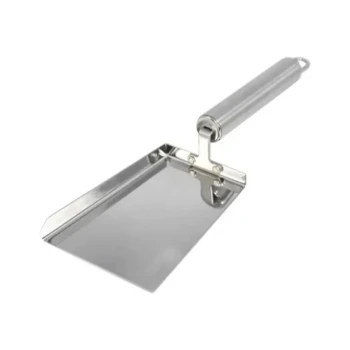
Manual pollen filling is a strategic intervention designed to decouple bee colony growth from the limitations of harsh environments. In tropical or arid regions characterized by drought or long non-flowering periods, natural pollen sources often vanish, halting colony reproduction. By artificially creating "pollen walls" within the hive, beekeepers provide essential nutrition and simulate a resource abundance that triggers the colony's brood-rearing instinct, ensuring a large, efficient population is ready before the main nectar flow begins.
By artificially establishing pollen walls, beekeepers do not just feed the hive; they deceive the colony into acting as if resources are abundant. This biological trigger stimulates aggressive brood rearing during environmental "deserts," ensuring a massive workforce is ready the moment the natural season turns.
Overcoming Environmental Constraints
The Scarcity Challenge
Tropical and arid climates present unique challenges, specifically prolonged droughts or extended periods where local flora does not flower.
During these windows, natural pollen—the primary protein source required for raising larvae—becomes dangerously scarce. Without intervention, the colony naturally contracts to conserve resources, leaving it weak when the season eventually improves.
Bridging the Nutritional Gap
Manual pollen filling addresses this deficit by physically placing pollen into the comb to create "pollen walls."
This technique ensures the hive maintains the critical nutritional reserves necessary for survival. It prevents the colony from entering a starvation mode that would otherwise halt development.
The Mechanism of Colony Stimulation
Simulating Abundance
Bees regulate their reproductive rates based on the availability of resources within the hive.
When beekeepers manually fill frames, they signal to the queen and nurse bees that food is plentiful, even if the external environment is barren. This artificial abundance overrides the natural instinct to conserve energy during a drought.
Triggering Brood Rearing
The primary objective of this technique is to stimulate the colony's brood-rearing instinct.
Because the bees perceive an abundance of food, they continue to rear new bees rather than shutting down reproduction. This continuous cycle prevents the population dip that usually accompanies dry seasons.
Strategic Timing for Honey Production
Pre-Flow Population Growth
The ultimate goal of manual filling is to maximize population size before the main nectar flow begins.
By maintaining brood rearing during the dearth, the colony grows significantly while competitors are dormant or recovering.
Efficiency Gains
A hive that is already populous when the flowers bloom is immediately efficient.
Instead of spending the first weeks of the nectar flow rebuilding their numbers, the bees can immediately focus on foraging. This leads to a substantial improvement in overall honey production efficiency.
Understanding the Trade-offs
Labor Intensity
Manual pollen filling is an active management technique, not a "set it and forget it" solution.
It requires the beekeeper to physically intervene and construct the pollen walls, which demands more time and effort than passive feeding methods.
Precision Timing
Success depends on accurately predicting the start of the main nectar flow.
If the population peaks too early without natural sources or continued artificial support, the large workforce may consume all stored resources. If it peaks too late, the window for maximum honey production will be missed.
Optimizing Hive Management in Arid Zones
To leverage this technique effectively, you must align your manual interventions with the specific seasonal cycles of your region.
- If your primary focus is colony survival: Implement pollen filling immediately when natural pollen sources disappear to prevent population collapse during droughts.
- If your primary focus is honey production: Begin manual filling well in advance of the flowering season to ensure the colony reaches peak population density exactly when the nectar flow begins.
Mastering manual pollen filling turns the disadvantage of a resource-scarce climate into a strategic opportunity for controlled, explosive colony growth.
Summary Table:
| Feature | Impact in Tropical/Arid Regions | Strategic Benefit |
|---|---|---|
| Resource Simulation | Creates "pollen walls" during droughts | Triggers queen to continue brood rearing |
| Nutritional Bridge | Offsets seasonal lack of natural pollen | Prevents colony contraction and starvation |
| Population Timing | Builds massive workforce before nectar flow | Maximizes foraging efficiency upon blooming |
| Climate Adaptation | Decouples growth from harsh weather | Enables explosive growth in resource-scarce zones |
Maximize Your Colony Potential with HONESTBEE
Are you a commercial apiary operator or distributor looking to overcome environmental challenges? HONESTBEE provides the professional-grade tools and machinery you need to implement advanced techniques like manual pollen filling with precision. From specialized hive-making equipment to high-efficiency honey-filling machines and essential consumables, we support the full spectrum of your beekeeping operations.
Partner with HONESTBEE to enhance your production efficiency and secure your colony's growth.
Contact our specialists today to explore our wholesale offerings!
References
- Nuru Adgaba, Yehya Alattal. Brood-Rearing Enhancing Potential of Manually Packed Pollen Feeding in Comparison with Pollen and Pollen Supplements in Patty Forms. DOI: 10.2478/jas-2020-0023
This article is also based on technical information from HonestBee Knowledge Base .
Related Products
- Manual Honey Filling Machine Bottling Machine for Honey
- Automatic Honey Filling and Filtering Machine for Beekeeping Bottle Filling
- Fully Automatic Honey Filling Packaging Machine for Processing Line
- Precision Automated Packaging Turntable Honey Spoon Filling Sealing Packing Machine
- Semi Automatic Small Honey Bottle Filling Machine Honey Filler
People Also Ask
- What is a manual honey filler and where is it used? The Essential Guide for Small-Scale Honey Bottling
- What is a manual filling machine? The Ultimate Guide for Small-Batch Producers
- What technical advantages do honey filling and packaging machines provide? Optimize Your Large-Scale Production
- What types of filling mechanisms are used in honey filling machines? Find the Best Tech for Your Viscosity
- What are the main differences between automated and manual honey filling? Scale Your Bottling Operation