Periodic replacement of beehive foundations containing reinforcement wires is essential to prevent the chemical contamination of your hive products. Over time, these wires undergo physical and chemical degradation, creating a significant risk of metal elements migrating into both the honey and the developing larvae. Additionally, replacing these components removes accumulated pathogens, reducing environmental stress on the colony.
Core Insight While reinforcement wires provide necessary structural integrity against heat and extraction forces, they eventually become a liability. The primary driver for replacement is the intersection of biological hygiene (removing pathogens) and chemical safety (preventing metal leaching from degrading wires).
The Hidden Risks of Aging Equipment
Chemical Degradation of Wires
The reinforcement wires embedded in your foundations are not inert. Over long periods of use, they are subject to physical and chemical changes.
As these wires degrade, there is a documented risk of metal migration. This means trace metals can leach directly into the honey products you harvest and the sensitive larvae developing in the comb.
accumulation of Pathogens
Beyond the wires, the foundation itself acts as a sponge for biological hazards.
Extended use allows various pathogens to accumulate within the hive material. This buildup creates a high-stress environment that forces the colony to divert energy toward immune defense rather than growth and production.
Environmental Stress on the Colony
Keeping old foundations forces bees to work harder to maintain a sanitary environment.
By introducing new, clean consumables, you effectively lower the "environmental stress" within the hive. This simple maintenance step directly improves the colony's growth environment.
The Role of Reinforcement Wiring
Essential Structural Support
It is important to understand why the wires are there in the first place. As noted in beekeeping mechanics, these thin steel wires provide critical physical support to the foundation.
Without this reinforcement, wax foundations are prone to sagging or deforming, especially in high-temperature environments common in apiaries.
Protection During Extraction
The wiring serves a mechanical function during the harvest as well.
Honey extraction often involves high centrifugal forces. The internal wiring ensures the honeycomb possesses enough structural strength to remain intact without breaking during this intense process.
Understanding the Trade-offs
Durability vs. Contamination
The trade-off in beekeeping equipment is often between longevity and safety.
While reinforcement wires extend the physical life of a comb by preventing breakage, their chemical lifespan is shorter. Keeping a foundation solely because the wire is still "holding" the wax ignores the microscopic degradation that compromises food safety.
Efficiency Implications
Using old equipment might seem cost-effective initially, but it hampers apiary efficiency.
Colonies thrive on fresh foundation. The time and energy bees spend cleaning or avoiding contaminated old combs is time lost for foraging and brood rearing.
Making the Right Choice for Your Goals
To maintain a sustainable and productive apiary, view foundation replacement as an investment rather than a cost.
- If your primary focus is Product Purity: Prioritize replacement to eliminate the risk of metal migration into your honey and larvae.
- If your primary focus is Colony Health: Replace foundations regularly to reset the pathogen load and reduce environmental stress on your bees.
- If your primary focus is Structural Integrity: Ensure you use wired foundations to prevent sagging, but retire them before the metal degrades.
Regularly cycling out old foundations is the single most effective way to simultaneously protect your harvest quality and boost colony vitality.
Summary Table:
| Feature | Purpose of Reinforced Foundation | Impact of Aging Foundations |
|---|---|---|
| Structural Support | Prevents sagging and deformation in heat | Metal wires undergo chemical degradation |
| Extraction Strength | Withstands centrifugal forces during harvest | Risk of metal leaching into honey and larvae |
| Biological Safety | Provides a clean base for brood and honey | Accumulation of pathogens and hive stress |
| Colony Efficiency | Stimulates faster comb building and growth | Energy diverted to cleaning and immune defense |
Elevate Your Apiary Standards with HONESTBEE
At HONESTBEE, we understand that the quality of your consumables dictates the success of your harvest. As a dedicated partner to commercial apiaries and global distributors, we provide a comprehensive wholesale range of high-performance beekeeping tools, specialized machinery, and essential industry consumables.
From high-durability reinforced foundations to precision honey-filling machines, our portfolio is designed to reduce environmental stress on your colonies and eliminate contamination risks. Invest in purity and productivity—contact us today to discover how our wholesale solutions can strengthen your business.
References
- Kaira Wagoner, Olav Rueppell. Effects of steel foundation wire on elemental content and hygienic removal of honey bee (<i>Apis mellifera</i>) brood. DOI: 10.1080/00218839.2017.1294525
This article is also based on technical information from HonestBee Knowledge Base .
Related Products
- HONESTBEE Wired and Assembled Wooden Bee Frames Foundation for a Thriving Hive
- Stainless Steel Bee Hive Frame Wire for Beekeeping
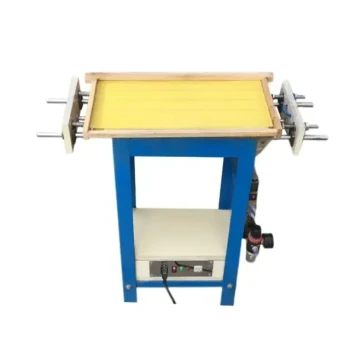
- Professional Frame Preparation: The HONESTBEE Electric Wire Embedder
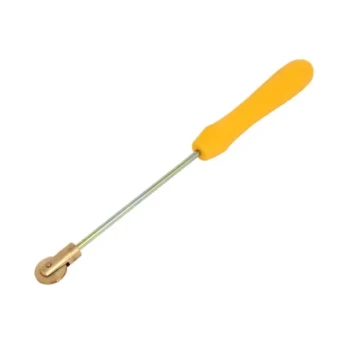
- Manual Spur Wheel Wire Embedder for Foundation
- Professional Pneumatic Wire Embedder for Beehive Frames
People Also Ask
- What role does replacing foundation and frames play in controlling American Foulbrood (AFB)? A Key to Hive Sanitation
- What is the difference between frames and foundation in a bee hive? A Guide to Hive Structure and Comb Building
- What is the role of frames and foundation in a bee hive? Build a Stable and Productive Apiary with Modern Design
- What is the purpose of frames and foundations in a beehive? Achieve a Healthy, Manageable Hive
- How do wooden and plastic hive frames compare in terms of durability? Wood vs. Plastic Longevity & Repairability